
What to Know About Motorcycle Accidents in Colorado Springs
Motorcycle accidents in Colorado Springs often result in devastating injuries, complex legal challenges, and long-term life disruptions. The city’s high-traffic corridors like I-25, Powers Boulevard, and Academy Boulevard present constant hazards to motorcyclists, especially as congestion increases with population growth. Whether navigating steep inclines near Highway 24 or maneuvering through unpredictable intersections, riders face elevated risks every time they get on the road.
At the Law Office of Jordan S. Levine, we understand the life-altering consequences that a motorcycle crash can bring. Our legal team is committed to helping injured riders and their families pursue justice and full compensation. With decades of experience handling motorcycle injury claims throughout Colorado Springs, we fight aggressively to hold negligent drivers accountable and protect your rights after a serious collision.
If you or someone you love has been hurt in a Colorado Springs motorcycle accident, reach out to our office today. Call (303) 835-4910 or contact us online for a free consultation. You deserve answers, support, and a legal team that puts your recovery first.
Why Motorcycle Accidents Are So Dangerous in Colorado Springs
Motorcycle crashes in Colorado Springs often result in catastrophic injuries due to the lack of protection for riders and the city’s dangerous mix of terrain, traffic, and weather. From congested intersections to sudden snowstorms in the foothills, the conditions here make riding riskier than in many other cities. Below, we explore the key factors that contribute to the heightened danger for motorcyclists in Colorado Springs.
Lack of Protection Leads to Severe Injuries
Unlike passengers in cars and trucks, motorcyclists have no physical barrier between themselves and the road. Without the benefit of airbags, seat belts, or reinforced vehicle frames, riders are fully exposed during a collision.
Even low-speed crashes can result in serious injuries such as traumatic brain injuries (TBIs), fractured bones, and internal organ damage. The Centers for Disease Control and Prevention (CDC) confirms that helmets significantly reduce the risk of death and head injuries in motorcycle crashes, but they do not eliminate the danger. The exposed nature of motorcycle travel continues to be a leading factor in fatal and life-threatening injuries.
High-Speed Traffic Makes Collisions More Violent
Colorado Springs is home to several high-speed roadways where serious motorcycle crashes regularly occur. Routes like I-25, Constitution Avenue, and Powers Boulevard feature fast-moving traffic that leaves little room for error.
A motorcyclist hit at highway speeds is far more likely to suffer fatal trauma. When collisions happen at 60 mph or more, the impact force is often too great for protective gear to absorb. The National Highway Traffic Safety Administration (NHTSA) has consistently reported that excessive speed significantly increases the severity of motorcycle crashes, especially when combined with sudden lane changes or aggressive driving.
Changing Weather Poses Constant Risks
Colorado Springs is notorious for its unpredictable and sometimes extreme weather patterns. A clear morning can turn into a snowstorm by afternoon, particularly near mountain corridors like Highway 24 or Ute Pass.
Rain, snow, sleet, and ice all reduce traction and increase stopping distance for motorcycles, making skids and slide-outs more common. According to the National Weather Service, Colorado’s winter weather creates unique challenges for all motorists, but motorcycles are especially susceptible due to their two-wheel design and limited road contact. Poor visibility from fog or snow also makes it harder for drivers to see motorcyclists, compounding the danger during adverse conditions.
For riders planning to travel through high-elevation or rural areas, the Colorado Department of Transportation (CDOT) offers real-time road and weather condition updates that can help reduce weather-related crash risks.
Road Surface Hazards Disrupt Motorcycle Stability
Potholes, uneven pavement, loose gravel, and debris can all destabilize a motorcycle in an instant. While a car may pass over these imperfections with minimal impact, a motorcycle can veer off course or lose control entirely.
Many of Colorado Springs’ roads, particularly in older or rural sections of the city, suffer from insufficient maintenance. These defects are especially dangerous during turns or braking. The Federal Highway Administration emphasizes that poorly maintained infrastructure contributes directly to accident risk, especially for vulnerable road users like motorcyclists.
Local governments must maintain safe public roads. When they fail to repair hazardous conditions or warn riders of dangers ahead, they may be held liable for resulting injuries.
Intersections Are Frequent Crash Zones
Many of the most devastating motorcycle accidents in Colorado Springs occur at busy intersections. Drivers often fail to yield the right of way, misjudge the speed of an approaching motorcycle, or run red lights at the last moment.
Left-turn crashes are especially dangerous. These occur when a vehicle turns left across the path of an oncoming motorcycle. According to NHTSA crash data, more than 40% of motorcycle crashes involve another vehicle turning left in front of the rider. Intersections along Academy Boulevard, Union Boulevard, and Woodmen Road have been identified as high-risk zones where many of these crashes take place.
City traffic engineers have begun reviewing signal timing and signage in these areas, but riders must remain vigilant and anticipate sudden vehicle movements.
Drivers Often Fail to See Motorcyclists
One of the most common statements drivers make after a crash is, “I didn’t see the motorcycle.” Because motorcycles are smaller and narrower than cars or trucks, they are often missed in blind spots or overlooked in heavy traffic.
This problem becomes worse when drivers are distracted by phones, GPS devices, or onboard infotainment systems. The Colorado DMV reminds drivers to check mirrors and blind spots carefully before changing lanes, especially in congested areas. When a motorist fails to do so and causes a crash, they can be held liable for negligence.
Visibility issues are especially dangerous at night or during inclement weather. Motorcyclists should use reflective gear, keep headlights on at all times, and position themselves visibly within a lane, but even with these precautions, inattentive drivers pose a constant threat.
Common Causes of Motorcycle Accidents in Colorado Springs
Motorcycle accidents in Colorado Springs are often the result of driver negligence, environmental hazards, or traffic law violations. Understanding the most frequent causes can help injured riders determine who is at fault and how to build a strong claim. At the Law Office of Jordan S. Levine, we investigate the root causes of each crash to hold all responsible parties accountable and maximize compensation for our clients.
Left-Turn Accidents at Intersections
One of the leading causes of motorcycle crashes is a vehicle making a left-hand turn into the path of an oncoming rider. These collisions frequently happen at intersections where drivers misjudge the motorcycle’s speed or fail to see it altogether.
Left-turn accidents are especially common at high-traffic intersections such as Academy Boulevard and North Carefree Circle. These crashes often result in T-bone impacts or direct front-end collisions, leading to traumatic injuries or fatalities. According to the Insurance Institute for Highway Safety (IIHS), over 40% of fatal motorcycle crashes involving another vehicle occur when that vehicle turns left in front of the motorcycle.
Drivers Who Fail to Yield the Right of Way
Failure to yield is a frequent factor in motorcycle crashes across Colorado Springs. Whether merging onto I-25, exiting shopping centers along Powers Boulevard, or navigating neighborhood intersections, many drivers fail to follow right-of-way rules.
Motorcycles are more difficult to see, especially for distracted or impatient drivers. As a result, riders often find themselves cut off or forced into evasive maneuvers. The Colorado Driver Handbook outlines specific yield requirements, and violations may establish clear legal liability in a personal injury claim.
Distracted Driving Endangers Motorcyclists
Distracted driving continues to be a major public safety issue throughout Colorado. Drivers who text, scroll through apps, or input directions into their GPS can take their eyes off the road long enough to cause a collision.
Motorcycles are particularly vulnerable to distracted drivers because of their smaller size and the shorter window of reaction time. The National Safety Council (NSC) reports that thousands of motorcyclists are injured every year by motorists whose attention is diverted by mobile devices or in-car distractions.
In many cases, phone records, dash cams, or eyewitness testimony help prove that the at-fault driver was distracted at the time of the crash, a critical factor when pursuing compensation.
Speeding and Aggressive Driving
Excessive speed reduces a driver’s ability to react to changing conditions, and it’s one of the top causes of motorcycle crashes in the region. On roads like Constitution Avenue and North Nevada Avenue, drivers often exceed posted limits, especially late at night or during light traffic.
When speeding drivers collide with a motorcyclist, the force of the impact can cause devastating injuries. Speeding also increases stopping distance and makes it harder for drivers to avoid a motorcycle that enters their lane unexpectedly. The National Transportation Safety Board (NTSB) emphasizes that even modest speeding violations can have deadly results when motorcycles are involved.
Aggressive behaviors like tailgating, weaving between lanes, or brake-checking are also major contributors to accidents. These actions are classified under Colorado law as reckless driving and can support both civil claims and criminal penalties.
Impaired Driving from Alcohol or Drugs
Driving under the influence remains one of the most dangerous behaviors on Colorado roads. While DUIs affect all motorists, motorcyclists are at significantly higher risk of injury or death when struck by an impaired driver.
Drunk or drugged drivers tend to swerve, speed, or fail to brake in time, all of which can be fatal for someone on a motorcycle. The Colorado Department of Revenue maintains strict DUI enforcement guidelines, and toxicology reports play an essential role in identifying liability after a crash.
Riders themselves should also be cautious. Although less common, some motorcycle accidents involve intoxicated riders who misjudge turns or lose control. Whether the impaired party is the rider or another driver, these cases require in-depth legal analysis and often expert testimony.
Dangerous Road Conditions and Hazards
Road maintenance plays a critical role in motorcycle safety. Potholes, debris, crumbling pavement, or poorly marked construction zones can all cause a rider to lose balance or crash.
In Colorado Springs, areas near ongoing infrastructure projects, such as those on Fillmore Street or South Circle Drive, frequently experience temporary hazards. The Federal Highway Administration (FHWA) stresses that construction zones must have adequate signage, lighting, and safe detour design to protect all road users.
Government entities or contractors may be liable if their negligence in maintaining road safety contributes to a crash. However, these cases require quick legal action due to shorter deadlines for filing claims against public agencies.
Vehicle Doorings and Close-Pass Collisions
Motorcyclists traveling in urban corridors such as Tejon Street or Nevada Avenue sometimes face “dooring” accidents incidents where a parked driver suddenly opens their door into the path of an oncoming motorcycle. These crashes are especially common in downtown Colorado Springs and can throw a rider into oncoming traffic.
Close-pass accidents are also dangerous, especially when drivers try to share a lane or pass too closely. These near-miss scenarios often lead to side-swipes or force riders off the road entirely. The League of American Bicyclists advocates for 3-foot minimum passing laws, and the same principle applies to motorcycles for safe lane clearance.
Injuries Commonly Sustained in Colorado Springs Motorcycle Accidents
Motorcycle accidents almost always result in serious physical trauma. Unlike occupants of passenger vehicles, motorcyclists lack the protective enclosure of steel frames, seat belts, and airbags. As a result, riders are far more likely to suffer debilitating or life-threatening injuries in a crash. At the Law Office of Jordan S. Levine, we help injured motorcyclists document their injuries, calculate the true cost of care, and pursue maximum compensation for both short-term treatment and long-term recovery.
Traumatic Brain Injuries and Head Trauma
Head injuries are among the most catastrophic consequences of motorcycle crashes. Even with a helmet, a rider may suffer a traumatic brain injury (TBI) when their head strikes the pavement, a vehicle, or another object.
Concussions, skull fractures, and brain bleeds are all common in motorcycle collisions. Victims may experience memory loss, vision problems, confusion, and even long-term cognitive impairments. According to the Centers for Disease Control and Prevention (CDC), TBIs are a leading cause of death and disability among motorcycle riders, especially those involved in high-speed or high-impact crashes.
In severe cases, victims may require neurosurgery, inpatient rehabilitation, or lifelong support services, expenses that must be accounted for in any legal claim.
Neck, Back, and Spinal Cord Injuries
The force of a motorcycle crash can cause significant trauma to the neck and spine. Riders often suffer whiplash, slipped discs, fractured vertebrae, or even paralysis when thrown from their bike or crushed during impact.
Whiplash is one of the most common outcomes of a rear-end collision. While often labeled as “minor,” it can lead to long-term pain, reduced mobility, and nerve irritation. More serious spinal injuries, such as herniated discs or compression fractures, may require surgical intervention or spinal fusion.
The National Institute of Neurological Disorders and Stroke (NINDS) provides resources for understanding spinal trauma and treatment options. Spinal cord injuries may lead to permanent disability, loss of sensation, or difficulty walking, and these conditions often carry enormous financial and emotional burdens.
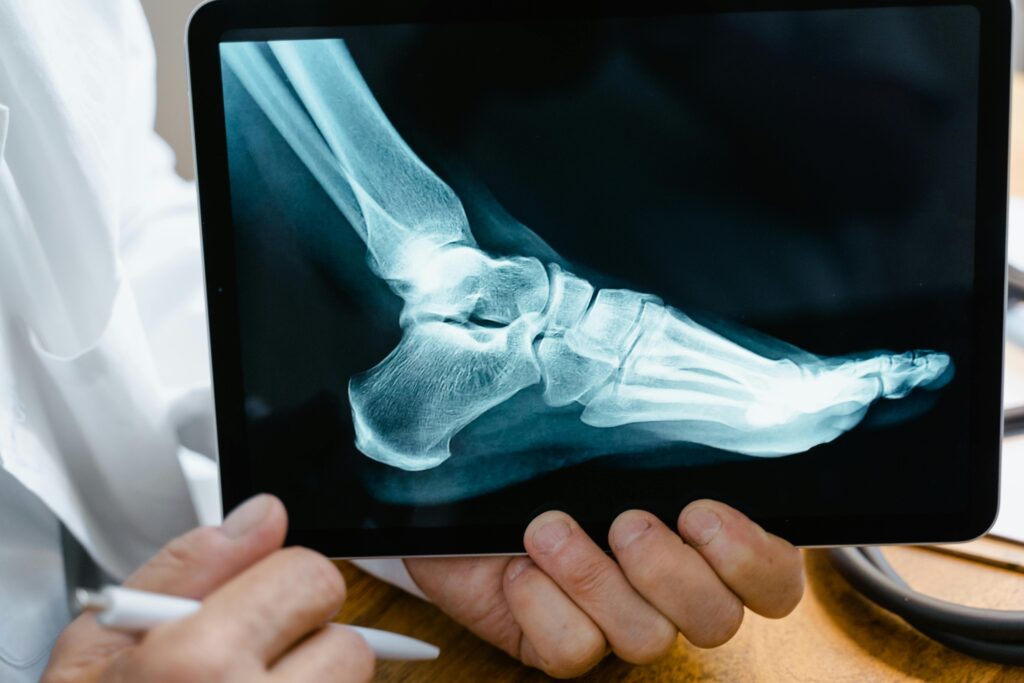
Broken Bones and Orthopedic Trauma
Bone fractures are almost inevitable in motorcycle crashes. Riders may break their arms, legs, wrists, or shoulders while bracing for impact or being ejected from the bike.
Upper limb fractures, including broken wrists and collarbones, often result from a rider trying to catch themselves during a fall. Lower body injuries, including fractured femurs, knees, and ankles, frequently occur when the motorcycle lands on the rider or they strike a curb or barrier.
According to OrthoInfo, many orthopedic injuries require casting, hardware implantation, or joint reconstruction. Recovery can take months and may involve physical therapy, mobility devices, and long-term lifestyle adjustments.
Internal Injuries and Organ Damage
Internal injuries are especially dangerous because they may not be immediately apparent. Riders can suffer internal bleeding, organ rupture, or chest trauma from blunt force impact or being crushed during a crash.
Common injuries include ruptured spleens, liver lacerations, kidney damage, and collapsed lungs. In many cases, a motorcyclist may initially walk away from an accident, only to suffer life-threatening symptoms hours later.
The National Library of Medicine emphasizes the importance of early diagnostic imaging and surgical intervention for internal trauma. If left untreated, these injuries can lead to shock, infection, or death.
Severe Road Rash and Soft Tissue Injuries
When a motorcyclist is thrown from their bike, they often slide across asphalt or gravel, causing severe abrasions known as “road rash.” This condition ranges from mild skin irritation to deep wounds that expose muscle or bone.
Serious cases may require skin grafting, wound care, and antibiotics to prevent infection. The American Burn Association notes that severe road rash is medically classified as a friction burn and may involve long-term scarring or limited mobility.
Soft tissue injuries, including torn ligaments and bruised muscles, are also common. While not as visible as fractures, these injuries can significantly limit a victim’s ability to work, walk, or drive.
Facial Injuries and Dental Trauma
Motorcyclists who are not wearing full-face helmets are especially vulnerable to facial injuries. These may include broken jaws, orbital fractures, knocked-out teeth, or lacerations from windshields or debris.
The American Association of Oral and Maxillofacial Surgeons (AAOMS) stresses that facial trauma can have both physical and emotional consequences. Disfigurement, dental implants, and reconstructive surgery are often required to restore function and appearance.
Psychological and Emotional Injuries
Motorcycle crashes don’t just cause physical damage; many victims experience lasting emotional trauma. Conditions such as post-traumatic stress disorder (PTSD), driving anxiety, and depression are common in the aftermath of a serious accident.
Symptoms may include nightmares, flashbacks, avoidance of travel, and mood disturbances. The American Psychological Association (APA) notes that trauma-related conditions are highly treatable with therapy and support, but they must be properly diagnosed and included in the injury claim.
Victims who endure prolonged pain, disability, or disfigurement often experience reduced quality of life, an important factor in calculating non-economic damages.
What to Do After a Motorcycle Accident in Colorado Springs
A motorcycle accident can leave you feeling overwhelmed, disoriented, and unsure of what to do next. The steps you take immediately after a crash can make a significant difference in your physical recovery and the success of your legal claim. At the Law Office of Jordan S. Levine, we advise injured riders to act quickly and strategically to protect their rights. Here’s what to do if you’re involved in a motorcycle accident in Colorado Springs.
Prioritize Your Health and Safety
The most important action after any accident is to seek medical attention. Even if you feel “okay” or think your injuries are minor, symptoms such as internal bleeding, head trauma, or spinal damage may not be immediately apparent.
Call 911 right away, and allow emergency medical personnel to assess your condition. If you’re unable to move due to pain, remain still until help arrives. For non-life-threatening injuries, you should still visit an urgent care clinic or hospital such as UCHealth Memorial Hospital Central for a full evaluation. Medical records from this visit will be vital in your legal case.
Contact Law Enforcement to File a Report
Always report the accident to law enforcement. In Colorado, it’s legally required to notify police if the crash involves injuries, death, or significant property damage. The Colorado Springs Police Department will send officers to the scene to secure the area, investigate the incident, and file an official accident report.
This report includes essential details such as witness statements, traffic violations, vehicle positions, and any citations issued. You can request a copy of the report through the Colorado Springs Police Department Records Request Portal.
An official police report will help establish liability and serve as critical evidence during insurance negotiations or litigation.
Document the Scene If You’re Able
If your injuries allow, gather as much evidence as possible before leaving the scene. Use your phone to take pictures of your motorcycle, the other vehicle(s), road conditions, debris, traffic signals, and visible injuries.
Photographic evidence can prove invaluable in demonstrating how the accident occurred. You should also obtain contact information for any witnesses and ask for the other driver’s name, insurance details, license plate number, and vehicle make/model. If you are too injured to collect this information, law enforcement will typically include it in their report.
Avoid Speaking with Insurance Adjusters Right Away
Shortly after the accident, you may be contacted by the other party’s insurance company. They may appear friendly, but their goal is to minimize their company’s financial responsibility. Avoid providing recorded statements or discussing fault before speaking with an attorney.
According to the Colorado Division of Insurance, you are not required to speak with another party’s insurer without legal representation. Doing so may compromise your ability to recover fair compensation.
Let a qualified motorcycle accident lawyer handle communications with insurance adjusters so you don’t inadvertently say something that harms your claim.
Follow All Medical Treatment Plans
After your initial medical visit, be sure to follow up with all recommended treatments. This may include physical therapy, imaging scans, specialist appointments, or medication. Missing appointments or failing to follow your doctor’s instructions can jeopardize both your recovery and your legal case.
Insurance companies may argue that a gap in care means your injuries are not serious. The Mayo Clinic and other major healthcare providers emphasize that consistent follow-up improves outcomes and provides documented evidence of injury progression.
Maintain a folder of all your medical records, receipts, prescriptions, and mileage logs. These will be used to calculate economic damages like medical expenses and lost wages.
Consult a Colorado Springs Motorcycle Accident Attorney
As soon as your immediate medical needs are addressed, contact an experienced motorcycle accident lawyer. The sooner your attorney can begin investigating your case, the better your chances of securing critical evidence such as surveillance footage, black box data, and eyewitness statements.
Get Legal Help After a Colorado Springs Motorcycle Accident
A motorcycle accident can leave you with life-changing injuries, overwhelming medical bills, and deep emotional scars. You may be facing weeks or months of rehabilitation, lost income, and a long road to recovery. At the Law Office of Jordan S. Levine, we understand what you’re going through, and we’re here to help.
Our team fights aggressively for motorcycle accident victims in Colorado Springs. We conduct thorough investigations, gather expert testimony, and negotiate with insurers to ensure you get the full compensation you deserve. If necessary, we’ll take your case to trial to hold the negligent driver or other liable parties accountable. Whether you’re suffering from a traumatic brain injury, broken bones, or psychological trauma, we’re committed to protecting your rights and supporting your recovery every step of the way.
You don’t have to face this alone, and you don’t pay unless we win.
Call (303) 835-4910 today or contact us online to schedule your free consultation. Let us help you move forward after your Colorado Springs motorcycle accident.
Practice Areas
Trust Levine LawWith Your Personal Injury Claim
If you or a loved one have been injured, Levine Law will fight for you every step of the way. We will give our all to secure the compensation you rightfully deserve.





Contact usfor a free consultation.
Phone: (303) 951-4810