
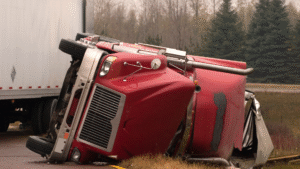
Denver police responded early last Tuesday to a fatal crash on westbound Interstate 70 near Havana Street, according to CBS Denver. The wreck, involving a truck and a semi-tractor trailer, happened at about 4 a.m. and led authorities to close the two right lanes of I-70 between Peoria Street and Havana Street as emergency crews worked the scene. One person taken to the hospital later died from injuries, and another was reported hurt. Colorado Department of Transportation and Denver police investigated the crash, and the cause remains under review. Officers are asking anyone who witnessed the incident to contact authorities as the investigation continues.
When fatal truck crashes shut down major highways like I-70, the impact reaches far beyond the initial collision. Families are left grieving unimaginable losses, and survivors often face painful recoveries, mounting medical bills, and unanswered questions about what went wrong. Crashes involving large commercial vehicles frequently prompt complex investigations into driver actions, company safety practices, and roadway conditions. Navigating those issues while coping with trauma can feel overwhelming. At Levine Law, we understand the profound physical, emotional, and financial toll serious semi-truck crashes in the Denver metro take on victims and their families, and we are committed to pursuing accountability and promoting safer highways. If you or someone you love has been affected by a serious truck accident in Denver, call us at (303) 951-4810 to discuss your options.
Why Legal Representation Matters After a West Denver Semi-Truck Accident
A West Denver semi-truck accident can leave victims facing far more than vehicle damage. At Levine Law, we understand how overwhelming this process can feel, especially while you are trying to focus on medical treatment and your family’s well-being. We understand collisions involving commercial trucks often result in severe injuries, complicated insurance claims, and disputes over liability that require a thorough and strategic approach. That’s why our team works to gather critical evidence, consult with experts when necessary, and build strong cases designed to protect our clients’ rights and long-term interests.
Trucking companies and their insurers often move quickly after a serious crash to protect their own financial interests, which is why having experienced legal representation can make a meaningful difference. These cases frequently involve detailed investigations, extensive documentation, and aggressive defense strategies designed to limit liability. We know how to thoroughly evaluate driver logs, maintenance records, black box data, company safety policies, and compliance with state and federal regulations to determine whether negligence contributed to the collision. Our team carefully analyzes every aspect of the crash, works with qualified experts when necessary, and develops a strategy tailored to the specific facts of each case. At Levine Law, we are dedicated to guiding our clients through every stage of the legal process, protecting their rights in negotiations or litigation, and pursuing the full compensation they deserve while they focus on healing and rebuilding their lives.
Common Causes of a West Denver Semi-Truck Accident
A West Denver semi-truck accident often occurs when multiple risk factors combine under demanding roadway and traffic conditions. West Denver highways carry heavy commuter traffic alongside commercial freight vehicles traveling at high speeds. When drivers, trucking companies, or third parties fail to follow safety standards, the consequences can become severe. Understanding the most common causes of these crashes helps injured victims recognize how negligence may have contributed to their injuries. It also provides important context when evaluating liability and pursuing a legal claim.
Driver Fatigue and Hours-of-Service Violations
Driver fatigue remains one of the leading contributors to serious commercial truck crashes across Colorado highways. Although federal regulations limit consecutive driving hours, some drivers exceed those limits to meet delivery deadlines. Fatigued drivers experience slower reaction times, reduced concentration, and impaired decision-making during critical moments. As a result, they may fail to brake in time or drift into adjacent lanes. Careful review of electronic logging device data often reveals whether hours-of-service violations played a role.
Pressure From Tight Delivery Schedules
Trucking companies sometimes impose demanding delivery timelines that indirectly encourage unsafe driving behavior. When drivers feel pressure to meet unrealistic expectations, they may skip rest breaks or continue driving while exhausted. This pattern increases the likelihood of preventable errors in heavy traffic conditions. Moreover, extended work hours reduce alertness and heighten the risk of catastrophic collisions. Investigations frequently examine dispatch records and internal communications to assess scheduling practices.
Distracted or Inattentive Driving
Distracted driving presents serious dangers when large commercial trucks travel through densely populated areas of West Denver. Even a brief lapse in attention can prevent a driver from noticing slowing traffic ahead. Cell phone use, onboard technology adjustments, and GPS navigation inputs all divert focus from the roadway. In addition, eating or reaching for objects inside the cab can limit a driver’s ability to maintain proper lane control. These distractions significantly increase stopping distance and crash severity.
In-Cab Technology and Communication Devices
Modern commercial trucks often contain multiple communication systems that drivers use during trips. While these tools support logistics coordination, they can create additional distractions behind the wheel. Reading dispatch messages or adjusting route information requires visual and cognitive attention. When drivers multitask in active traffic, they reduce their ability to respond quickly to hazards. Consequently, distracted operation remains a frequent factor in serious truck accidents.
Improper Maintenance and Mechanical Failures
Large commercial trucks require consistent inspection and maintenance to operate safely on Colorado highways. When companies neglect routine service, mechanical failures can occur without warning. Brake malfunctions, worn tires, and steering defects often contribute to high-impact collisions. Regular inspections help identify potential hazards before they escalate into dangerous situations. Maintenance logs and repair records frequently provide critical insight into whether preventable mechanical issues existed.
Brake and Tire Failures
Brake systems and tires endure significant stress during long-distance freight transportation. If these components wear down without proper replacement, drivers may lose control during sudden stops. Tire blowouts can cause vehicles to swerve into neighboring lanes or overturn entirely. Furthermore, insufficient brake performance increases stopping distance in congested traffic. Thorough mechanical evaluations often reveal whether equipment failure directly contributed to the crash.
Improperly Loaded or Overloaded Cargo
Cargo loading practices significantly influence vehicle balance, steering control, and braking performance. When freight shifts during transit, it can destabilize the trailer and create rollover risks. Overloaded trucks place excessive strain on suspension systems and braking components. In some cases, unsecured cargo spills onto roadways and causes secondary collisions. Reviewing weight tickets, loading procedures, and cargo securement methods helps determine whether improper loading played a role.
Failure to Follow Securement Standards
Federal cargo securement regulations outline detailed requirements for safely transporting freight. When loaders ignore these standards, cargo may move unexpectedly during turns or sudden stops. This movement can alter the truck’s center of gravity and reduce driver control. Additionally, falling debris creates hazards for nearby motorists. Careful analysis of loading documentation often clarifies whether regulatory violations contributed to the incident.
Speeding and Aggressive Driving
Excessive speed remains a significant factor in many West Denver truck crashes, particularly in high-traffic corridors. Large trucks require greater stopping distances than passenger vehicles under normal conditions. When drivers exceed safe speeds, they reduce their ability to avoid sudden obstacles or traffic slowdowns. Aggressive lane changes and tailgating further increase collision risks. Speed data from onboard recording systems often provides objective evidence of unsafe driving behavior.
Failure to Adjust for Weather or Traffic Conditions
Weather patterns in the Denver area can shift quickly and create slippery or low-visibility conditions. Responsible drivers adjust speed and following distance to account for rain, snow, or heavy congestion. Failure to adapt to changing road conditions frequently results in rear-end or multi-vehicle crashes. Commercial drivers must exercise heightened caution due to the size and weight of their vehicles. Reviewing roadway and weather reports often helps establish whether speed and driving decisions were appropriate for the conditions.
What to Do Immediately After a West Denver Semi-Truck Accident
A West Denver semi-truck accident can leave victims feeling disoriented, overwhelmed, and unsure about the next steps to take. However, the actions taken in the minutes and hours following a crash can significantly affect both physical recovery and any future legal claim. Prioritizing safety, documenting the scene, and seeking appropriate medical care should remain the primary focus. At the same time, understanding how to protect important evidence can strengthen a potential injury case. Taking thoughtful and informed steps early on helps preserve your rights and supports long-term recovery.
Prioritize Safety and Call for Emergency Assistance
Your immediate safety and the safety of others should remain the top priority after any serious collision. If possible, move to a safe location away from active traffic to reduce the risk of further injury. Call 911 promptly so law enforcement and emergency medical personnel can respond to the scene. Responding officers will create an official accident report, which may later serve as important documentation. Emergency responders can also assess injuries that may not appear serious at first.
Accept Medical Evaluation at the Scene
Even if you feel stable, allow paramedics to evaluate your condition at the crash site. Adrenaline often masks symptoms of internal injuries, concussions, or soft tissue damage. A prompt medical assessment creates a documented record linking injuries directly to the collision. This documentation can become valuable if symptoms worsen in the following days. Early evaluation also ensures that serious conditions receive immediate treatment.
Document the Scene and Preserve Evidence
If your condition allows, gather as much information as possible before leaving the scene. Photographs of vehicle damage, roadway conditions, skid marks, and traffic signs can provide important context later. Capture images from multiple angles to create a clear visual record of the crash environment. Additionally, note weather conditions and visible hazards that may have contributed to the collision. Thorough documentation strengthens accuracy when recounting events.
Exchange Information With All Parties Involved
Obtain contact and insurance information from the truck driver and any other drivers involved. Record the trucking company name, vehicle identification numbers, and license plate details. If witnesses observed the crash, politely request their contact information as well. Independent witness statements often provide valuable support during investigations. Organized information collection reduces confusion during later claim discussions.
Avoid Discussing Fault at the Scene
Emotions often run high after a serious truck crash, which can lead to statements made under stress. Refrain from admitting fault or speculating about what caused the accident. Even casual remarks may later be interpreted as admissions of liability. Instead, provide factual information to law enforcement officers without offering opinions. Maintaining composure and limiting statements protects your legal interests.
Be Cautious When Speaking With Insurance Representatives
Insurance adjusters may contact you shortly after the crash to request statements or medical authorizations. While cooperation remains important, avoid providing recorded statements without careful consideration. Early statements given without full knowledge of injuries may undermine your claim. Take time to understand your rights before agreeing to detailed interviews. Thoughtful communication helps prevent misunderstandings.
Seek Prompt Follow-Up Medical Care
Schedule a comprehensive medical evaluation as soon as possible after leaving the scene. Some injuries, including whiplash and traumatic brain injuries, develop symptoms gradually. Follow all recommended treatment plans and attend scheduled appointments consistently. Medical records that reflect ongoing care help establish the severity of your injuries. Consistent treatment also supports a smoother recovery process.
Maintain Detailed Medical and Expense Records
Keep copies of medical bills, prescription receipts, and therapy invoices related to your treatment. Document missed workdays and any loss of income resulting from your injuries. Organized records simplify the process of calculating damages if you pursue compensation. Accurate tracking also ensures that no expenses go overlooked. Detailed documentation supports a clearer understanding of the crash’s financial impact.
Consider Speaking With a Personal Injury Attorney
Consulting a personal injury attorney early in the process can provide clarity about your rights and available options. Semi-truck accident claims often involve complex regulations and multiple liable parties. An attorney can help preserve evidence, manage communications, and evaluate the strength of your claim. Early legal guidance reduces the risk of procedural mistakes or missed deadlines. Informed decision-making empowers victims to move forward with greater confidence.
Evidence That Can Strengthen a West Denver Semi-Truck Accident Case
A West Denver semi-truck accident often results in complex investigations that require strong and well-preserved evidence. Unlike minor vehicle collisions, truck crashes typically involve commercial carriers, corporate insurers, and detailed regulatory requirements. As a result, the quality and timing of evidence collection can significantly influence the strength of a legal claim. Acting quickly helps prevent the loss or alteration of critical records. Thorough documentation also creates a clearer picture of how negligence contributed to the collision.
Electronic Logging Device and Black Box Data
Modern commercial trucks contain electronic systems that record valuable operational information before and during a crash. These devices often capture speed, braking patterns, throttle position, and engine performance data. Reviewing this information can help determine whether the driver reacted appropriately to traffic conditions. In addition, electronic logging devices track driving hours and rest periods to ensure regulatory compliance. When analyzed properly, digital data can provide objective insight into driver behavior.
Hours-of-Service Records
Federal regulations limit how long commercial drivers may operate without mandatory rest breaks. Attorneys frequently examine electronic logs to identify violations that indicate fatigue or overwork. If records reveal excessive driving hours, that evidence may support claims of negligence. Dispatch communications and route schedules may further clarify whether unrealistic deadlines contributed to violations. Detailed log analysis often plays a central role in truck accident cases.
Maintenance and Inspection Records
Commercial carriers must routinely inspect and maintain their vehicles to ensure roadway safety. Maintenance logs, repair invoices, and inspection reports can reveal whether the truck received proper servicing. Brake wear, tire conditions, and steering system issues frequently appear in these documents. If records show neglected repairs or overdue inspections, they may indicate preventable mechanical failure. Careful evaluation of maintenance history often strengthens liability arguments.
Pre-Trip and Post-Trip Inspection Reports
Drivers must complete inspection reports before and after operating commercial vehicles. These documents note visible defects or safety concerns identified during routine checks. When inspection reports list unresolved issues, they may demonstrate awareness of potential hazards. Comparing inspection forms with repair records can uncover inconsistencies or ignored warnings. Such discrepancies often provide persuasive evidence of negligence.
Driver Qualification and Employment Files
Trucking companies must verify that drivers meet licensing and training requirements before assigning routes. Personnel files may contain background checks, driving histories, and prior safety violations. A record of repeated infractions may suggest inadequate supervision or hiring practices. In some cases, companies fail to provide proper training for complex driving conditions. Reviewing qualification files helps determine whether the employer exercised reasonable care.
Drug and Alcohol Testing Results
Federal regulations require drug and alcohol testing for commercial drivers under specific circumstances. Post-accident testing results may reveal impairment that contributed to the crash. Even if tests return negative results, documentation confirms compliance with safety standards. Gaps in testing records may raise additional concerns about regulatory adherence. Accurate testing documentation can therefore support broader claims of negligence.
Scene Evidence and Physical Documentation
Photographs, video footage, and physical debris from the crash site provide valuable context for investigators. Images of vehicle damage, skid marks, and roadway conditions help reconstruct the sequence of events. Surveillance footage from nearby businesses or traffic cameras may capture critical moments before impact. Preserving this evidence quickly prevents deterioration or deletion. Visual documentation often clarifies disputed details about positioning and fault.
Witness Statements
Independent witnesses frequently offer perspectives that differ from those of involved drivers. Their statements may confirm unsafe lane changes, speeding, or distracted driving. Collecting contact information promptly ensures availability for follow-up interviews. Consistent witness accounts can reinforce other forms of evidence. Reliable testimony often strengthens negotiation leverage during settlement discussions.

How Personal Injury Attorneys Protect Crash Victims in Denver Semi-Truck Crash Cases
Personal injury attorneys play a critical role in helping victims navigate the aftermath of serious Denver semi-truck crash cases. These collisions often involve catastrophic injuries, multiple liable parties, and complex state and federal trucking regulations that demand careful legal review. In the days and weeks following a crash, victims frequently manage medical treatment, lost income, and persistent communication from insurance adjusters. At the same time, important evidence may begin to disappear without swift intervention. An experienced attorney helps protect a victim’s rights, coordinate investigations, and develop a strategy designed to pursue full and fair compensation.
Investigating the Cause of the Crash
A thorough investigation forms the foundation of any strong semi-truck accident claim and directly shapes the outcome of the case. Unlike typical car accidents, truck crashes require detailed analysis of specialized evidence, safety procedures, and regulatory compliance. Attorneys move quickly to preserve time-sensitive records and secure physical evidence before it becomes unavailable. In addition, they often work with accident reconstruction experts who evaluate vehicle damage, roadway markings, and impact points. This comprehensive approach allows injured victims to build claims supported by credible and well-documented findings.
Reviewing Driver and Company Records
Attorneys carefully review driver logbooks, electronic logging device data, employment files, and required drug and alcohol testing results. These records may reveal violations of hours-of-service rules or other unsafe driving practices. In addition, lawyers examine training materials and internal safety protocols to determine whether the company followed industry standards. A history of prior safety violations or disciplinary issues may further strengthen a claim. By analyzing these documents in detail, attorneys identify patterns of negligence that contributed to the crash.
Securing Black Box and Maintenance Data
Commercial trucks typically contain event data recorders that capture speed, braking force, throttle position, and other pre-impact information. Attorneys act quickly to preserve this black box data before it becomes altered or lost. Maintenance and inspection records also provide insight into whether the truck received proper servicing. Worn brakes, defective tires, or ignored repair recommendations may indicate preventable mechanical failure. When lawyers combine electronic data with maintenance documentation, they create a clearer timeline of events leading to the collision.
Identifying All Liable Parties
Truck accident cases frequently involve multiple parties whose actions collectively contributed to the crash. Determining liability requires careful legal analysis and a detailed understanding of commercial transportation regulations. Attorneys evaluate contractual relationships, employment status, and operational control to identify responsible entities. This broader review ensures that victims pursue compensation from all available sources. As a result, injured individuals improve their chances of securing adequate financial recovery.
Trucking Companies and Employers
Trucking companies may bear responsibility when drivers act within the scope of employment at the time of the crash. Attorneys examine hiring practices, background checks, and supervisory procedures to determine whether the employer exercised reasonable care. Poor scheduling practices or unrealistic delivery deadlines sometimes encourage unsafe driving behavior. In other situations, companies fail to provide adequate training or oversight. By uncovering these operational failures, lawyers strengthen claims against corporate defendants.
Third Parties and Manufacturers
Liability may extend beyond the driver and employer when third parties contribute to unsafe conditions. Cargo loading companies can create hazards when they improperly secure freight or exceed weight limits. Maintenance contractors may share responsibility if negligent repairs compromise vehicle safety. Additionally, manufacturers can face claims when defective parts cause brake failure, tire blowouts, or steering malfunctions. Attorneys evaluate each potential source of fault to ensure no responsible party escapes accountability.
Handling Insurance Companies and Negotiations
Insurance carriers representing trucking companies often deploy aggressive strategies to reduce payouts and limit financial exposure. Adjusters may request recorded statements or broad medical authorizations that undermine a claim. Attorneys serve as advocates who manage communications and protect clients from unfair tactics. Furthermore, lawyers present organized evidence that supports a clear demand for compensation. This structured approach improves negotiating leverage and promotes more equitable settlement discussions.
Managing Communications
Legal counsel handles phone calls, written correspondence, and document requests from insurance representatives. This oversight prevents injured individuals from making statements that insurers could misinterpret or use against them. Attorneys also ensure that deadlines and procedural requirements receive proper attention. Clear and consistent communication strengthens the overall case strategy. As a result, victims can focus more fully on medical recovery and personal stability.
Calculating Full Damages
Attorneys evaluate the complete scope of losses rather than focusing solely on immediate medical bills. They consider ongoing treatment needs, rehabilitation costs, and diminished earning capacity when assessing financial harm. In addition, lawyers account for non-economic damages such as pain, emotional distress, and reduced quality of life. Accurate damage calculations rely on medical records, expert opinions, and employment documentation. This comprehensive evaluation helps ensure that settlement discussions reflect the true impact of the crash.
Preparing for Litigation if Necessary
Although many claims resolve through negotiation, some cases require formal litigation to achieve fair compensation. Attorneys prepare each case as though it will proceed to trial, which strengthens their position during settlement talks. This preparation includes organizing evidence, identifying witnesses, and developing persuasive legal arguments. A proactive strategy demonstrates readiness and encourages serious negotiation. When litigation becomes necessary, victims benefit from having a structured and well-prepared case.
Filing a Lawsuit and Conducting Discovery
Attorneys initiate legal proceedings by filing a complaint that outlines the factual and legal basis for the claim. During discovery, both sides exchange documents and conduct depositions under oath. Lawyers use this process to uncover additional evidence and clarify disputed facts. Careful questioning often reveals inconsistencies in testimony or gaps in safety compliance. Through diligent discovery efforts, attorneys build a stronger and more detailed case record.
Advocating in Court
If negotiations fail to produce a fair resolution, experienced trial lawyers present evidence before a judge or jury. They question witnesses, challenge opposing arguments, and clearly explain complex trucking regulations. Effective courtroom advocacy requires preparation, organization, and persuasive communication. Attorneys connect factual evidence to the real-life consequences experienced by the injured victim. By guiding victims through every stage of the legal process, personal injury attorneys help ensure that crash victims do not face complex legal systems alone while focusing on recovery.
Contact an Experienced West Denver Semi-Truck Accident Lawyer Today
After a serious truck collision in West Denver, having the right legal team on your side can provide clarity and confidence during an incredibly difficult time. At Levine Law, we take pride in standing beside injury victims and their families, offering straightforward guidance and dependable advocacy every step of the way. We understand the high stakes involved in semi-truck accident cases and the lasting impact these crashes can have on your health, finances, and future. Our firm is committed to thoroughly investigating each claim, identifying all responsible parties, and building strong cases designed to secure meaningful results.
We believe our clients deserve personal attention, honest communication, and relentless representation at every stage of the legal process. From the initial consultation through investigation, negotiation, and, if necessary, litigation, we remain focused on protecting your interests and positioning your case for the strongest possible outcome. We take the time to listen to your story, explain your options in clear terms, and develop a legal strategy tailored to your specific circumstances and long-term needs. Our team is committed to keeping you informed, answering your questions promptly, and ensuring you feel supported. If you or someone you love has been injured in a semi-truck truck crash, call us today at (303) 951-4810 or reach out online today to discuss your case.
Contact usfor a free consultation.
Phone: (303) 951-4810