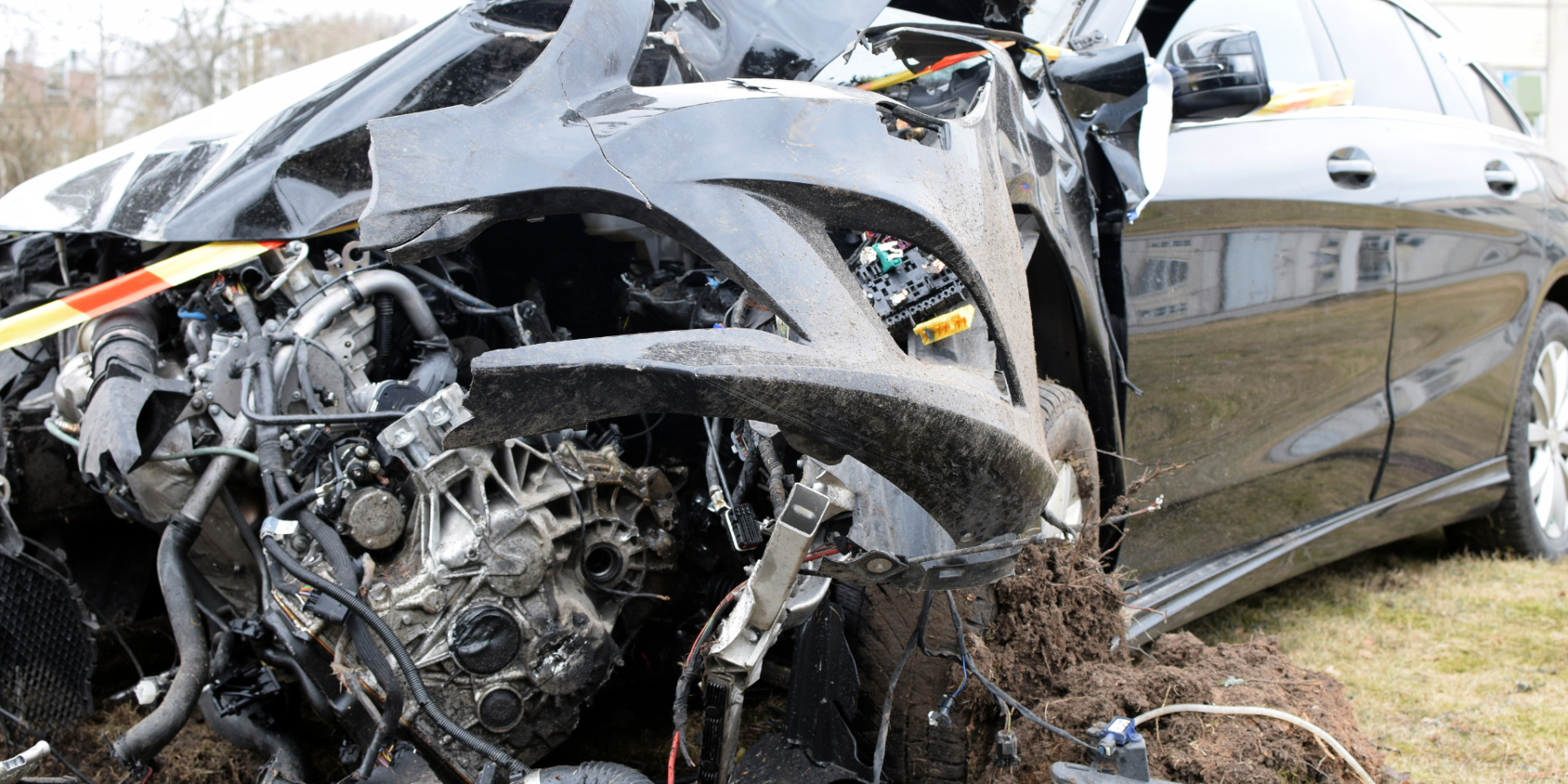
A person was pulled from a car pinned between a semi-truck and a gas station in Littleton and has since been released from the hospital with a full recovery expected, according to Denver7 News. The crash happened on a Tuesday around 1:33 p.m. at a QuickTrip off Belleview Avenue and South Zuni Street, where the semi-truck pinned a car against the gas station wall with enough force to partially collapse the wall. Littleton police officers and bystanders acted quickly to pull the trapped person from the vehicle before firefighters arrived, and that person was transported to a hospital for treatment before being discharged. About five employees and twenty-five customers inside the building at the time were safely evacuated without injury. Investigators reported that the semi’s driver, who refused medical treatment at the scene, believed the truck’s brakes had failed before impact.
Crashes like this one reveal how quickly a routine stop can become a life-threatening emergency when a commercial truck loses control and the safety systems that are supposed to protect the public fail. When brake failures, inspection violations, and inadequate oversight collide with everyday activity, innocent people bear the consequences, and those responsible must be held accountable. At Levine Law, we understand the physical, financial, and emotional burden that a serious semi-truck crash places on victims and their loved ones, and we work to investigate every contributing factor and fight for the compensation our clients deserve. If you or someone you love has been injured in a serious truck crash in Colorado, call us today at (303) 951-4810.

Why Legal Support Matters After a Littleton Semi-Truck Crash
After a Littleton semi-truck crash, the experienced team at Levine Law knows firsthand how overwhelming the aftermath can be for injured victims and their families, particularly when corporate trucking operations and aggressive insurance carriers are on the other side of the case. Commercial truck crash claims are far more complex than ordinary vehicle accidents, involving federal safety regulations, multiple potentially liable parties, specialized electronic evidence, and defense teams that move quickly to protect the trucking company’s interests before the injured victim even understands their rights. We step in early, preserve critical evidence, and take control of the legal process so our clients are never outmaneuvered by better-resourced opponents. Our goal from the first conversation is to make sure no responsible party escapes accountability and no avenue of compensation goes unexplored.
Beyond the legal complexity, a Littleton semi-truck crash can impose enormous financial and personal strain on injured victims and their families at a time when paying medical bills and replacing lost income feels impossible. We believe that injured people deserve an advocate who understands not just the law but also what they are actually going through, and who treats every case with the seriousness and personal attention it deserves. At Levine Law, we handle all communication with insurance companies, push back against lowball settlement offers, and prepare every case as though it will go to trial. Throughout the process, we keep our clients informed and make sure they feel supported at every stage. Our commitment is to relieve as much of the burden as possible so families can focus on healing while we focus on accountability and results.

Evidence That Can Strengthen a Littleton Semi-Truck Crash Claim
Building a successful Littleton semi-truck crash claim requires assembling a comprehensive and well-documented evidentiary foundation that supports every element of the liability analysis and damages calculation. Truck crash cases often involve disputed facts, aggressive defense strategies from well-resourced trucking companies, and complex technical issues that require specialized evidence to resolve. Acting quickly to identify, preserve, and develop that evidence is one of the most time-sensitive and consequential responsibilities of legal representation in commercial truck crash cases.
Police Reports and Official Crash Documentation
Law enforcement crash reports provide the starting framework for understanding how a semi-truck crash occurred, documenting the officer’s observations about vehicle positions, roadway conditions, witness identities, and preliminary fault assessments. These reports also reflect whether any citations were issued at the scene, which may support a negligence per se argument in the civil claim if the cited violation contributed to the crash. We review crash reports carefully for accuracy and completeness and identify any gaps or inconsistencies that require further investigation through independent evidence gathering.
Citations and Officer Observations
Traffic citations issued following a commercial truck crash may indicate violations of federal regulations, Colorado traffic laws, or equipment requirements that directly contributed to the collision. Officer observations about vehicle positioning, damage patterns, road conditions, and driver demeanor at the scene provide an independent account of immediate post-crash conditions that can corroborate or supplement other evidence. We obtain all available law enforcement documentation as early as possible in the case and use it as a foundation for the broader investigation.
Truck Driver Logs and Electronic Data
Commercial trucks generate a rich evidentiary record of the driver’s and vehicle’s activity, including electronic logging device records documenting hours of service compliance, GPS data showing route history and speed, and event data recorder information capturing the vehicle’s operational parameters in the seconds before the crash. This electronic evidence is among the most objective and probative data available in any truck crash case, and its preservation must be secured immediately after a crash before it is overwritten, erased, or altered.
Black Box and GPS Data Analysis
Event data recorders in commercial trucks capture speed, braking force, throttle position, and other operational parameters that help reconstruct exactly what the driver and vehicle were doing in the critical seconds before impact. GPS data provides a broader picture of the driver’s route, speed history, and compliance with planned schedules that may reveal whether time pressure contributed to unsafe driving. We send formal evidence preservation demands to trucking companies and their insurers immediately upon retention to ensure this electronic data is not lost before it can be obtained through the discovery process.
Vehicle Maintenance and Inspection Records
FMCSA regulations require trucking companies to maintain detailed records of vehicle inspections, maintenance services, and driver vehicle inspection reports for each vehicle in their fleet. These records reveal whether required inspections occurred on schedule, whether known deficiencies were addressed promptly, and whether the vehicle had a history of recurring safety issues that should have prompted more intensive intervention. When maintenance records reveal patterns of inadequate attention to safety-critical systems, those patterns support both the liability narrative and arguments for enhanced accountability.
Brake, Tire, and Equipment Condition Evidence
Brake condition, tire wear, and the functional status of other safety-critical equipment are among the most important maintenance factors in commercial truck crash cases involving alleged equipment failure. Physical inspection of the truck and trailer following a crash, conducted by qualified mechanical experts, can reveal the actual condition of these components and whether pre-existing deficiencies were present before the crash occurred. Comparison of those findings with the maintenance and inspection records provides the clearest possible picture of whether the company met its obligation to keep the vehicle in safe operating condition.
Expert Analysis and Accident Reconstruction
Expert analysis transforms complex technical evidence into understandable conclusions that support the liability narrative and damages calculation in ways that raw data alone cannot accomplish. Accident reconstruction specialists analyze vehicle dynamics, impact angles, speed estimates, and braking distances to produce a scientifically grounded account of how the crash occurred and what factors contributed to it. Engineering and safety experts evaluate regulatory compliance, vehicle performance standards, and industry practice to assess whether the trucking company’s conduct fell below applicable standards of care.
Engineering and Safety Expert Contributions
Mechanical engineers evaluate whether brake systems, tires, and other components performed as expected and whether identified failures resulted from manufacturing defects, improper maintenance, or normal wear that should have been addressed before the vehicle remained in service. Safety experts familiar with FMCSA regulations and trucking industry standards assess whether the company’s hiring, training, dispatch, and maintenance practices were consistent with applicable requirements and with the safety obligations that commercial carriers owe to the public. Their testimony provides context that helps insurers and juries understand why the crash was preventable and who bears responsibility for allowing the dangerous conditions to persist.

Challenges Victims Face After a Littleton Semi-Truck Crash
The challenges that follow a serious Littleton semi-truck crash extend well beyond the physical injuries themselves, encompassing the financial, legal, and emotional dimensions of a disrupted life. Victims often find themselves managing complex medical decisions, fighting with insurers, and trying to understand their legal rights while also coping with pain, fear, and uncertainty about the future. Recognizing these challenges clearly helps victims understand why experienced legal representation is so important from the earliest possible stage after a serious commercial truck crash.
Navigating Severe and Long-Term Medical Treatment
Serious semi-truck crash injuries frequently require extensive and prolonged medical care that demands consistent attention, careful coordination among multiple specialists, and ongoing decision-making about treatment options. The demands of managing medical appointments, following therapy schedules, and communicating with a range of healthcare providers can feel overwhelming alongside the physical challenges of recovering from traumatic injuries. Maintaining consistent and thorough medical records throughout this process is essential both for the recovery itself and for the strength of the legal claim.
Managing Ongoing Care and Medical Decisions
Long-term care following a serious truck crash often involves multiple treating specialists across different medical disciplines, creating a coordination challenge that requires the victim to manage complex and sometimes conflicting information about their treatment options and prognosis. Making informed medical decisions requires clear communication with providers and the energy to remain engaged with the process even during periods of significant pain and reduced capacity. We support our clients in understanding their medical journey as part of our broader commitment to their recovery and to building a legal claim that accurately reflects everything their injuries have cost them.
Financial Strain and Income Disruption
The financial pressure created by a serious semi-truck crash can destabilize a household’s finances rapidly, as medical bills accumulate, insurance disputes delay payment, and lost wages reduce the income available to cover both ordinary expenses and the extraordinary costs of serious injury treatment. This financial disruption often intensifies the emotional stress of recovery, creating a compounding burden that affects the entire family. Understanding what compensation is available and pursuing it aggressively helps alleviate this pressure while the victim focuses on healing.
Dealing With Lost Wages and Mounting Expenses
The gap between when expenses begin and when compensation arrives can be months or years in serious truck crash cases, during which the victim and their family must manage mounting costs on reduced income. Some victims find that they cannot return to their prior roles even after physical recovery, creating lasting employment challenges that require vocational planning and legal advocacy to address. We calculate both immediate income losses and long-term earning capacity reductions from the outset of every case to ensure that the financial harm is fully reflected in the compensation we pursue.
Confronting Complex Insurance and Legal Processes
Trucking company insurers bring significant experience and resources to the defense of commercial truck crash claims, and injured victims who engage with these carriers without legal representation regularly find themselves at a serious disadvantage in negotiations. Understanding the legal process, managing documentation requirements, meeting deadlines, and countering the defense strategies that large insurers routinely deploy requires experience and preparation that most crash victims do not have independently. Our role is to level that playing field from the beginning and to ensure our clients are never put in a position where they must face powerful corporate defendants alone.
Responding to Insurance Company Tactics
Insurers representing commercial trucking operations commonly employ delay tactics, dispute liability despite clear evidence, and offer early settlements that fail to reflect the full long-term value of the claim. These strategies exploit the financial pressure that injured victims face and their unfamiliarity with the claims process to achieve settlements that protect the insurer’s interests at the expense of the victim’s genuine recovery needs. We counter these tactics with organized evidence, clear legal arguments, and a demonstrated willingness to pursue the claim through litigation when necessary, creating the pressure and credibility needed to negotiate from a position of strength.

How Compensation Is Calculated After a Littleton Semi-Truck Crash
Calculating compensation after a Littleton semi-truck crash requires a forward-looking, comprehensive analysis of every economic and personal loss the crash has produced, extending well beyond the immediate medical bills and missed paychecks to encompass the full projected impact of the injuries on the victim’s life. Colorado law allows injured truck crash victims to recover both economic damages reflecting measurable financial losses and non-economic damages capturing the personal, physical, and emotional toll of the crash and its aftermath. Accurate and thorough damage calculation requires detailed records, expert projections, and a willingness to pursue the full scope of available compensation rather than accepting an early settlement that falls short of what the recovery will ultimately require.
Economic Damages in Semi-Truck Accident Claims
Economic damages represent the concrete financial costs and losses the crash has imposed on the victim, beginning with emergency medical care and extending through any future treatment that the injuries will require. These damages are generally supported by bills, records, pay stubs, and expert projections, making them the most directly documentable category of loss. However, the full scope of economic damages in a serious semi-truck crash case is frequently underestimated by insurers who focus on immediate costs and resist accounting for the substantial future expenses that serious injuries produce.
Medical Expenses and Ongoing Treatment Costs
Medical expenses in a serious semi-truck crash case often include emergency transportation, trauma center care, multiple surgical procedures, intensive care hospitalization, specialist consultations, diagnostic imaging, prescription medications, physical therapy, occupational therapy, psychological care, and any medical equipment required for daily function or rehabilitation. Future medical costs for conditions that require ongoing management, recurring procedures, or long-term care represent an equally important component of the economic damages claim and must be projected carefully with the support of qualified medical experts. Including both past and projected future medical expenses in the damages calculation ensures that no care cost falls to the victim as a result of someone else’s negligence.
Lost Wages and Reduced Earning Capacity
Many serious semi-truck crash victims are unable to return to work for extended periods during their recovery, and some sustain injuries that permanently limit their ability to perform the occupational duties they fulfilled before the crash. Compensation for lost wages during the recovery period and for any long-term reduction in earning capacity reflects the genuine financial harm the crash has imposed on the victim’s economic future. Vocational rehabilitation specialists and economic experts can assess how specific injuries affect the victim’s ability to perform their prior work and quantify the difference between pre-injury and post-injury earning trajectories over the projected working life. These expert projections form an essential component of the economic damages analysis in any case involving permanent or long-term occupational limitations.
Non-Economic Damages and Personal Impact
Non-economic damages address the physical pain, emotional suffering, psychological harm, and loss of enjoyment of life that a serious semi-truck crash produces, and they often represent a very substantial portion of the total value of a serious injury claim in Colorado. These damages are not calculated according to a fixed formula, which means that their recognized value depends significantly on the quality of the evidence presented and the clarity with which the human impact of the injuries is communicated to insurers and juries. Personal testimony, treatment records, expert psychological evaluations, and accounts from family members and close friends all contribute to a complete and fully valued presentation of non-economic damages.
Pain, Suffering, and Emotional Distress
The physical pain produced by serious orthopedic, neurological, and soft tissue injuries can be constant, severe, and long-lasting in ways that profoundly affect sleep, mood, relationships, and the ability to engage in ordinary daily activities. Emotional distress arising from the trauma of the crash, the uncertainty of recovery, and the financial pressures that accompany serious injury represents an independent category of compensable harm that deserves full recognition alongside physical pain. We ensure that both the acute pain and suffering in the immediate aftermath of the crash and the ongoing chronic pain and emotional distress during recovery are thoroughly documented and effectively presented in every case we handle.
Loss of Enjoyment and Quality of Life
Serious semi-truck crash injuries often prevent victims from engaging in the activities that previously defined their daily lives and gave them enjoyment and personal satisfaction, whether those are physical pursuits, family activities, professional endeavors, or social relationships. The permanent loss of the ability to participate fully in these aspects of life represents a genuine and significant diminishment of quality of life that Colorado courts recognize as compensable non-economic harm. Documenting these specific losses through medical records, personal testimony, and accounts from people who knew the victim before and after the crash gives the quality of life damages calculation the personal specificity needed to accurately reflect the true human cost of the crash.
Future Damages and Long-Term Planning
Serious semi-truck crashes frequently produce injuries whose consequences extend far into the future, making it essential to plan comprehensively for costs and limitations that will continue to materialize long after any settlement or verdict is entered. Compensation that fails to account adequately for future needs leaves victims financially vulnerable as their ongoing care requirements continue to generate costs that should have been covered by the responsible parties. A forward-looking damages analysis supported by expert medical and economic testimony protects against this outcome.
Permanent Disabilities and Life-Care Needs
When a semi-truck crash produces permanent physical or cognitive disabilities, the victim may require lifelong personal care assistance, adaptive equipment, home modifications, vocational retraining, and continued medical management whose projected costs can be enormous over a normal life expectancy. Life care planners working with medical specialists develop detailed projections of these future needs that provide the documentary foundation for seeking compensation that genuinely covers the lifetime cost of the victim’s injuries. Including these projections in the damages analysis ensures that no future care requirement falls on the victim as an uncompensated consequence of someone else’s negligence, and that the settlement or verdict achieved today does not leave the victim without resources when those needs become acute in the years ahead.

How Colorado Truck Accident Lawyers Help Crash Victims
Truck accidents often cause severe injuries and complex legal disputes due to the size of commercial vehicles and the number of parties involved. Victims may face extensive medical treatment, lost income, and significant financial pressure while trying to recover from their injuries. Colorado truck accident lawyers help injured individuals understand their legal rights and pursue compensation from negligent drivers, trucking companies, or other responsible parties. Through detailed investigation and strong legal advocacy, attorneys work to build claims that reflect the full impact of the crash.
Investigating the Cause of the Truck Accident
A thorough investigation often becomes the first step in building a strong truck accident case. Attorneys examine the circumstances surrounding the collision to determine how the crash occurred and who may be responsible. This process may involve reviewing police reports, inspecting the accident scene, and analyzing the conduct of the truck driver and the trucking company. Identifying the factors that contributed to the crash helps establish liability and strengthens the victim’s claim.
Reviewing Crash Reports and Driver Records
Law enforcement officers typically create detailed reports after serious truck accidents. These reports may include information about road conditions, witness observations, and potential traffic violations. Attorneys review these documents carefully to identify important details that explain how the crash occurred. They may also examine the truck driver’s driving history, training records, and prior safety violations.
Examining Trucking Company Practices
Truck accident cases often involve more than just the driver of the vehicle. Attorneys may investigate the trucking company’s safety practices, hiring procedures, and maintenance protocols. This review can reveal whether the company failed to follow federal safety regulations or placed unsafe drivers on the road. Evidence of company negligence may expand the scope of liability in the case.
Gathering Evidence to Support the Claim
Truck accident claims often depend on technical evidence that helps explain what occurred before and during the collision. Attorneys work to secure records and documentation that demonstrate how the crash happened and how the injuries occurred. This evidence may include vehicle data, driver logs, and inspection reports. Collecting these materials early helps preserve important information before it becomes unavailable.
Obtaining Electronic Logging Device Data
Commercial trucks typically contain electronic logging devices that track driving hours and vehicle operation. These records can show whether the driver exceeded legal limits on driving time or failed to take required rest breaks. Attorneys often request this data to determine whether fatigue may have contributed to the crash. Electronic records can provide an objective timeline of the driver’s activity.
Securing Maintenance and Inspection Records
Federal regulations require trucking companies to regularly inspect and maintain their vehicles. Attorneys review maintenance logs and inspection reports to determine whether mechanical issues contributed to the collision. Poor maintenance, defective parts, or ignored repair issues can increase the risk of serious accidents. These records may reveal whether the trucking company failed to maintain the vehicle properly.
Evaluating the Full Impact of the Injuries
Truck accidents frequently result in catastrophic injuries that require long-term treatment and rehabilitation. Attorneys work with medical providers to understand the extent of the injuries and the recovery process. This evaluation helps determine the financial and personal impact of the crash. Properly documenting these damages becomes essential when seeking compensation.
Reviewing Medical Treatment and Future Care Needs
Medical records help demonstrate the seriousness of injuries sustained in a truck accident. Attorneys examine hospital reports, diagnostic imaging, and physician recommendations to understand the treatment required. In severe cases, medical experts may help estimate the cost of future care. These projections can include rehabilitation, surgeries, and ongoing medical treatment.
Calculating Lost Income and Economic Losses
Serious injuries may prevent victims from returning to work for extended periods or permanently limit their earning capacity. Attorneys review employment records and financial documentation to determine how the injuries affect the victim’s income. This analysis may include lost wages, reduced earning potential, and other financial losses. Properly calculating these damages helps ensure that compensation reflects the long-term impact of the crash.
Negotiating With Insurance Companies
Insurance companies representing trucking companies often respond quickly after a crash occurs. These insurers may attempt to minimize the value of the claim or shift blame to other parties. Colorado truck accident lawyers handle communication with insurers to protect the interests of the injured victim. Effective negotiation can help pursue compensation that reflects the full extent of the damages.
Responding to Liability Disputes
Insurance carriers may argue that other drivers or external conditions caused the crash. Attorneys review evidence and present clear arguments demonstrating the trucking company’s responsibility when negligence occurred. Traffic laws, witness testimony, and electronic vehicle data can help clarify fault. Addressing these disputes becomes essential in protecting the victim’s right to compensation.
Preparing for Litigation if Necessary
Some truck accident claims require formal litigation when settlement negotiations do not produce a fair outcome. Attorneys prepare these cases by organizing evidence, consulting expert witnesses, and developing legal arguments for court. Preparing for litigation can also strengthen negotiations by demonstrating that the case is ready for trial. This approach helps ensure that victims receive serious consideration of their claims.

Contact an Experienced Littleton Semi-Truck Crash Lawyer Today
After a serious semi-truck crash, having the right legal team by your side can make a meaningful and lasting difference in both the outcome of your case and your ability to rebuild your life with the financial security you deserve. At Levine Law, we bring deep experience handling complex commercial truck crash claims throughout Littleton, Douglas County, and the greater Colorado Front Range, and we understand how aggressively trucking companies and their insurers work to protect themselves after a serious collision. We step in early, preserve critical evidence, manage every aspect of the legal process, and build strong, evidence-backed cases designed to reflect the full scope of our clients’ injuries, losses, and long-term needs. Furthermore, we pursue every responsible party with equal determination, ensuring that no corporate defendant escapes accountability and no avenue of compensation goes unexplored.
We also understand that beyond the legal strategy, our clients need an advocate who treats them as a person rather than a case number and who provides clear, honest communication at every stage of the process. At Levine Law, we are committed to answering your questions, keeping you informed, and making sure you feel supported and prepared throughout what can be a long and challenging legal process. Our goal is to relieve as much of the burden as possible so you and your family can focus on healing while we focus on holding the people responsible for your injuries accountable. If you or a loved one has been hurt in a Littleton semi-truck crash or any serious commercial truck collision in Colorado, call us today at (303) 951-4810 or reach out online to schedule your free consultation and learn how we can protect your rights and your future.
Contact usfor a free consultation.
Phone: (303) 951-4810