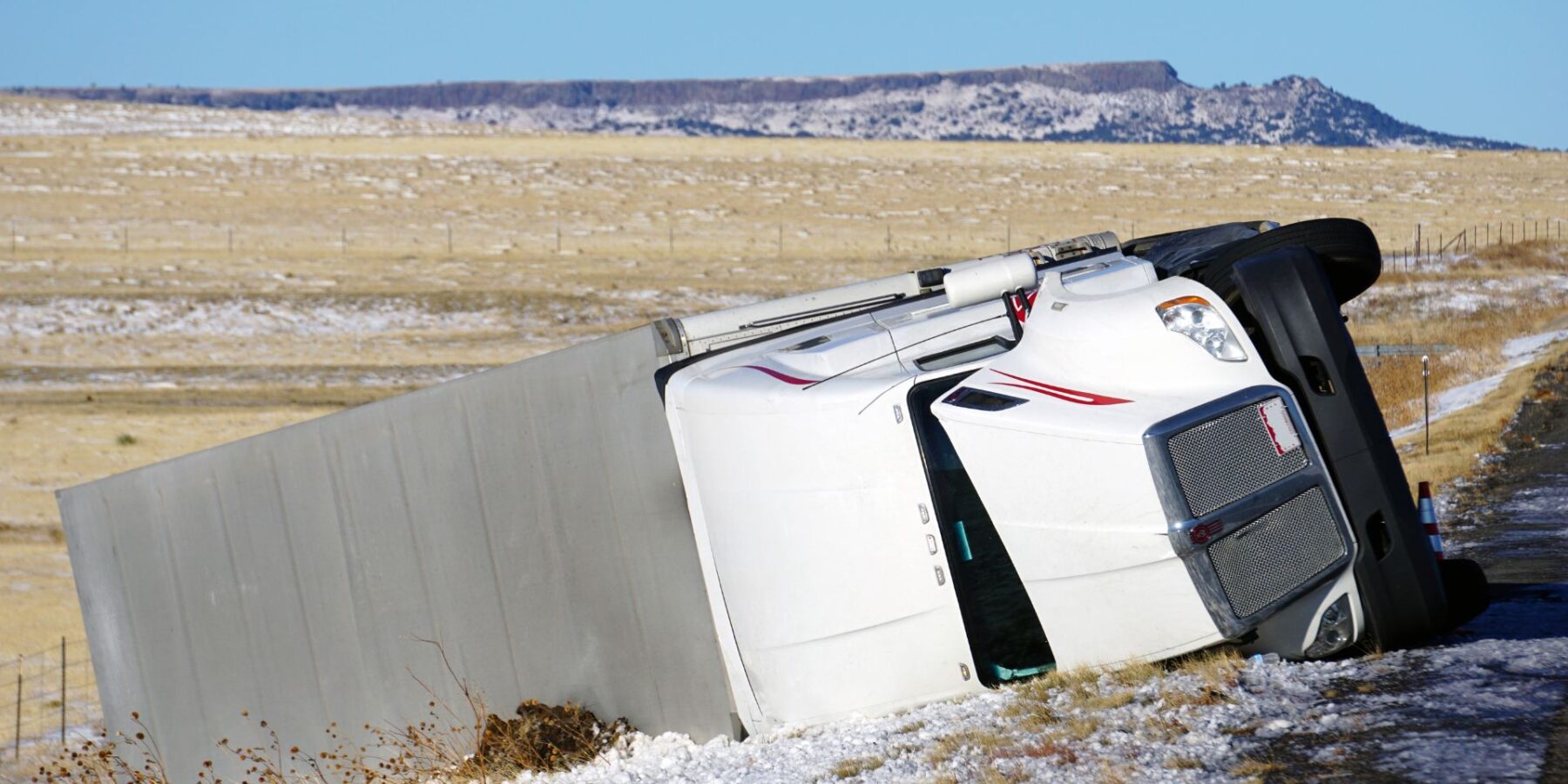
Semitruck Accident Near Denver Causes Tank Rupture, 100-Gallon Diesel Leak
A serious semitruck crash occurred on westbound Interstate 76 in the Denver suburb of Arvada on the morning of November 17, according to Denver7. The accident caused a major traffic disruption after the truck’s saddle tank ruptured and spilled approximately 100 gallons of diesel onto the roadway. According to the Colorado State Patrol, the semi jack-knifed, triggering a multi-car collision involving two additional vehicles. The Jefferson County Sheriff’s Office reported that those involved sustained minor injuries, though the diesel spill created significant safety concerns for commuters and first responders. Westbound I-76 at Federal Boulevard was shut as crews diverted traffic and worked to contain the spill.
At Levine Law, we know that a crash involving a semitruck can create far more than a traffic nightmare. Such an incident can put countless lives at risk in an instant. Even when injuries are minor, the emotional shock, financial strain, and frustration of dealing with road closures and cleanup efforts can take a heavy toll. For others, the aftermath may include ongoing medical care, lost wages, and the stress of navigating insurance claims. At Levine Law, our Colorado car accident attorneys are committed to standing up for those harmed in serious roadway incidents and ensuring negligent parties are held responsible. If you or a loved one was seriously injured in a semitruck or multi-vehicle crash, call us today at (303) 951-4810.
Why You Need a Denver Truck Accident Attorney After a Serious Crash
Finding the right Denver truck accident attorney after a serious crash is essential. That’s why our team at Levine Law is dedicated to offering personalized guidance, clear communication, and aggressive legal advocacy for every client we serve. Truck accidents often involve complex circumstances such as federal safety regulations, negligent trucking companies, and severe injuries that can reshape a victim’s life. Our experienced attorneys can help you navigate these challenges. We’ll work on conducting a thorough investigation, gathering critical evidence, and handling all communication with insurers and trucking companies. With skilled legal support, you can better understand your rights, determine who is responsible, and pursue the full compensation you deserve under Colorado law.
When you choose a firm with extensive experience handling Denver truck accident cases, you gain a team that understands the unique challenges posed by commercial vehicle collisions. Our dedicated lawyers will evaluate your damages, including medical expenses, lost income, long-term care needs, and pain and suffering, ensuring nothing is overlooked. At Levine Law, we combine compassionate client service with aggressive legal strategies to protect your interests and hold negligent trucking companies accountable. Our attorneys are committed to helping Colorado victims recover physically, financially, and emotionally after devastating truck accidents.
Who Can Be Held Liable in a Denver Truck Accident
Determining liability in a Denver truck accident can be more complex than in a standard car crash because multiple parties may share responsibility. Commercial trucking involves many individuals and companies working together, and a single act of negligence at any stage can contribute to a serious collision. An experienced attorney evaluates every potential source of liability to ensure no responsible party is overlooked. Understanding who may be accountable helps victims pursue full and fair compensation for their injuries and losses.
The Truck Driver
The truck driver is often a primary focus in liability investigations. Driver negligence can include speeding, fatigue, distraction, impaired driving, or violations of safety regulations. Attorneys review logs, driving history, and behavior at the time of the crash to determine whether the driver failed to operate the vehicle safely. Establishing driver negligence is an important step in building a strong claim.
Driver Fatigue and Hours-of-Service Violations
Truck drivers must follow strict federal hours-of-service rules designed to prevent fatigue. If logs show the driver exceeded legal limits, liability may increase. Fatigue can slow reaction time and impair judgment, contributing to serious accidents.
Distracted or Impaired Driving
Using a phone, adjusting controls, or driving under the influence can all raise liability for the truck driver. Evidence such as phone records or officer observations may help establish negligence.
The Trucking Company
Trucking companies may share responsibility when their policies or practices contribute to a crash. Companies are required to conduct background checks, monitor driver hours, and maintain their fleet. When they fail to meet these obligations, they may be held accountable for resulting accidents.
Improper Training or Hiring Practices
If a company hires unqualified drivers or provides inadequate training, the company can be liable for negligent hiring or supervision. Reviewing personnel records can uncover these issues.
Pressure to Meet Deadlines
Some companies push drivers to meet unrealistic schedules. This pressure can lead to speeding or inadequate rest. Evidence of scheduling demands can support a claim against the company.
Vehicle or Parts Manufacturers
Manufacturers may be liable if a defective vehicle part contributed to the crash. Common defects include brake failures, tire blowouts, or steering system malfunctions. Attorneys work with experts to determine whether a mechanical defect played a role and whether a recall or known issue existed.
Defective Brake or Tire Systems
Commercial trucks rely on heavy-duty equipment. Defective brakes or tires can reduce control and increase stopping distance. If a defect is identified, liability may extend to the manufacturer.
Design or Production Errors
Some parts fail due to design flaws rather than wear and tear. Engineers and experts examine the component to determine if a defect contributed to the collision.
Maintenance and Repair Contractors
Companies that service the truck may be liable if they fail to identify or repair dangerous mechanical issues. Improper maintenance can cause equipment to malfunction on the road. Reviewing repair records and inspection logs helps uncover errors or omissions.
Missed Inspections
Commercial trucks require frequent inspections. If a maintenance team skipped steps or ignored warning signs, they may be responsible for resulting failures.
Improper Repairs
Faulty repairs can make a truck unsafe. Evidence of incorrect installation or low-quality work can strengthen a claim against a repair contractor.
Cargo Loading Companies
Improperly loaded or unsecured cargo can shift during travel and cause dangerous weight imbalances. Cargo loaders must follow strict safety standards, and failing to secure loads properly can lead to rollovers, jackknife accidents, or falling cargo. When loading errors contribute to a crash, cargo companies may share liability.
Overloaded Trailers
Excess weight creates instability and increases stopping distance. Scale records and bills of lading help determine if the truck was overloaded.
Unsecured Cargo
Loose cargo can move suddenly and cause loss of control. Photographs, inspections, and industry standards help identify loading errors.
Government Entities or Road Maintenance Crews
In some cases, government agencies or road contractors may be responsible if unsafe road conditions contributed to the accident. Hazards such as large potholes, missing signs, or inadequate construction warnings can increase the risk of collisions.
Poor Road Conditions
Road defects may reduce traction or visibility. Maintenance records and photographs help establish whether the agency failed to upkeep the roadway.
Improper Construction Site Management
If construction zones lack proper signage or lane markings, contractors may be held liable. Witness statements and video evidence can support these claims.

Understanding Federal and Colorado Trucking Regulations
Truck drivers and trucking companies must follow a wide range of federal and state regulations designed to keep the public safe. These rules govern everything from driver hours to vehicle maintenance and cargo handling. When a Denver truck accident occurs, violations of these regulations often play a major role in determining fault. Understanding how these laws work helps victims recognize where negligence may have occurred and strengthens the legal case against responsible parties. Attorneys carefully examine compliance records, safety logs, inspection reports, and other documentation to identify regulatory failures that contributed to the crash.
Federal Motor Carrier Safety Administration (FMCSA) Regulations
The Federal Motor Carrier Safety Administration establishes nationwide rules for commercial trucks and drivers. These regulations aim to reduce accidents by ensuring drivers are well-rested, vehicles are maintained, and companies follow safety procedures. FMCSA rules apply to most commercial vehicles operating across state lines, which includes many trucks passing through Colorado. Compliance with these regulations is essential for roadway safety and accident prevention.
Hours-of-Service Requirements
Hours-of-service rules limit the amount of time a driver can operate a truck without adequate rest. Drivers must take breaks and log their hours accurately. These logs help determine whether fatigue contributed to the crash. Violations can show poor supervision or unsafe company practices.
Electronic Logging Devices
Drivers must use approved electronic logging devices to track their hours. These devices store data that cannot be easily altered. Attorneys review this information to uncover patterns of overwork or falsified records. ELD data often provides key evidence in truck accident cases.
Vehicle Maintenance and Inspection Standards
Commercial trucks must undergo regular inspections to ensure they are safe for the road. Both federal and Colorado state regulations require routine maintenance checks and detailed inspection reports. A failure to meet these standards can lead to mechanical issues that contribute to serious accidents. Attorneys analyze maintenance logs and inspection records to determine whether the company met its obligations.
Brake and Tire Requirements
Brakes and tires are two of the most critical components on a commercial truck. Federal standards require frequent inspections and timely replacements. Poorly maintained brakes or worn tires can significantly increase stopping distance and cause rollovers or jackknife accidents.
Safety Equipment Standards
Federal rules require trucks to carry emergency equipment such as warning triangles, fire extinguishers, and spare fuses. Missing equipment can pose additional risks after a crash. Violations can indicate a broader pattern of negligence.
Colorado-Specific Trucking Rules
Colorado has its own trucking regulations in addition to federal laws. These rules address state-specific issues such as weight limits, mountainous terrain, and hazardous weather. Colorado enforces strict safety requirements to reduce the risk of accidents on high-risk highways, including I-70 and other mountain corridors. Trucking companies must comply with these rules to operate legally within the state.
Weight and Size Limitations
Colorado law restricts the weight and size of commercial trucks to protect roads and reduce crash risks. Overloaded trucks may lose stability or cause brake failures. Scale records and cargo documentation help determine whether a violation occurred.
Mountain Driving Requirements
Colorado’s steep grades and sharp curves require special driving techniques. Truckers must observe posted speed limits and use proper braking methods on downhill stretches. Failure to follow mountain driving rules can lead to runaway truck incidents and catastrophic crashes.
Cargo Loading and Securement Rules
Federal and Colorado laws require proper cargo loading and securement to prevent shifting loads. Improperly secured cargo can cause a truck to tip, sway, or lose control. These regulations apply to all types of cargo, including hazardous materials, refrigerated goods, and oversized loads. Violations can lead to serious crashes and create dangerous road conditions for surrounding drivers.
Load Distribution Standards
Cargo must be balanced across the trailer to maintain stability. Uneven distribution increases rollover risk and affects steering. Loading records help determine whether standards were followed.
Hazardous Materials Regulations
Hazmat loads require special training, documentation, and securement. Improper handling can cause explosions or chemical spills. Attorneys examine hazmat certifications and transport records when relevant.
How Regulation Violations Affect Liability
When a trucking company or driver violates safety regulations, it can significantly impact liability. These violations often demonstrate a pattern of negligence that strengthens the victim’s claim. Proving regulatory failures also helps show that the crash was preventable, which increases the likelihood of full compensation. Attorneys use these violations to hold drivers, companies, and other parties accountable for unsafe practices.
Supporting Negligence Claims
Regulation violations help establish negligence by showing that safety protocols were ignored. This evidence strengthens settlement negotiations and courtroom presentations.
Identifying Systemic Issues
Repeat violations may reveal deeper problems within the trucking company’s operations. These patterns support claims for enhanced damages and encourage better safety practices industry-wide.
How Evidence Is Preserved After a Denver Truck Accident
Preserving evidence after a truck accident is one of the most important steps in building a strong injury claim. Trucking companies often move quickly to protect themselves, which means valuable information can be lost if action is not taken early. An experienced attorney works to secure critical records, physical evidence, and digital data before it disappears. These efforts help establish what happened, identify who is responsible, and demonstrate the full impact of the crash. Understanding how evidence is preserved helps victims appreciate the importance of swift legal action.
Securing the Accident Scene
The accident scene often contains the most accurate and immediate evidence. Attorneys and investigators act quickly to capture photos, measurements, and physical details before the scene changes. Skid marks, debris patterns, vehicle positions, and roadway conditions can all help reconstruct the crash. This information becomes harder to collect once traffic resumes or weather conditions change.
Documenting Roadway Conditions
Investigators note visibility, weather, lighting, and traffic control signs. These details help determine whether environmental factors played a role. Early documentation provides a reliable baseline for analysis.
Collecting Physical Debris
Vehicle parts, broken lights, and scattered cargo can reveal important clues. Physical debris helps experts understand the force and direction of the impact. Preserving these details strengthens the foundation of the claim.
Retrieving Black Box and Electronic Data
Most commercial trucks contain an electronic control module, often referred to as a black box. This device records crucial information such as speed, brake usage, engine performance, and sudden movements. An attorney acts quickly to request this data because it may be overwritten or lost without proper preservation efforts. Black box information provides objective insight into the truck’s operation just before and during the crash.
Event Data Recorder Information
Event data includes speed changes, throttle position, and braking patterns. This helps determine whether the driver reacted appropriately. It also highlights potential mechanical failures.
Preventing Data Spoilage
Trucking companies may be legally required to preserve digital records once notified. Attorneys send preservation letters to prevent intentional or accidental deletion. This ensures critical information remains available for review.
Collecting Driver and Company Records
Driver logs, inspection reports, and company safety records often reveal whether regulations were followed. These documents can show hours-of-service violations, maintenance problems, or inadequate training. Attorneys act quickly to request these records because companies are only required to keep some documents for a limited time.
Driver Logbooks and ELD Downloads
Logbooks track hours on the road, rest periods, and route details. Electronic logging device data helps verify whether logs are accurate. These records help establish whether fatigue may have contributed to the accident.
Maintenance and Inspection Records
Routine inspections ensure trucks are safe for travel. Maintenance logs help identify ignored repairs or overdue servicing. These records support claims involving mechanical failure.
Obtaining Video Footage and Witness Statements
Video evidence can significantly strengthen a truck accident case. Attorneys work to obtain surveillance footage from nearby businesses, traffic cameras, or dashcams before it is erased. Witness statements are collected early while memories are clear. This information provides context and helps confirm the sequence of events.
Traffic and Surveillance Footage
Many intersections and commercial areas have cameras that may have captured the crash. Attorneys send requests promptly before footage is deleted. Video provides impartial, powerful evidence.
Interviewing Witnesses Quickly
Witness memories fade rapidly after an accident. Early interviews gather accurate descriptions of what occurred. This testimony may help clarify disputed facts.
Ensuring Compliance Through Preservation Letters
One of the first steps an attorney takes is sending a formal preservation letter to the trucking company. This letter requires the company to retain all relevant evidence instead of discarding or altering it. These letters help protect documents, driver logs, black box data, and maintenance records. Failure to comply can result in legal consequences for the company.
Preventing Destruction of Evidence
Some records are only kept for short periods unless preservation demands are made. The letter prevents routine deletion. This helps protect important materials.
Establishing Legal Responsibility
Sending a preservation letter puts the company on notice. This helps ensure they follow legal obligations. It also supports future court action if evidence goes missing.
Using Experts to Analyze Preserved Evidence
Trucking accident cases often require industry experts to interpret complex data. Attorneys work with accident reconstruction specialists, engineers, medical experts, and trucking safety professionals. These experts examine preserved evidence to explain how the crash occurred and how injuries developed. Their analysis strengthens the claim and may provide compelling testimony in court.
Accident Reconstruction Analysis
Reconstruction experts use physical evidence and data to recreate the event. Their findings help clarify liability. This analysis is often persuasive during negotiations or trial.
Medical and Biomechanical Experts
Medical experts explain how the crash caused injuries. Biomechanical specialists analyze impact forces. Their insights support the claim for damages.

How a Denver Truck Accident Attorney Can Protect Your Rights
A Denver truck accident attorney plays a critical role in protecting your rights after a serious crash. Trucking companies and insurers often act quickly to protect their own interests, which can leave victims at a disadvantage. An experienced attorney helps level the playing field by handling complex legal tasks, gathering strong evidence, and fighting for fair compensation. Their guidance helps you understand the process and prevents mistakes that could harm your claim.
Investigating the Cause of the Crash
A thorough investigation is essential to building a strong truck accident case. Attorneys examine the crash from every angle to understand what went wrong. They review police reports, interview witnesses, and evaluate the scene for important details. This careful approach helps identify contributing factors and supports your claim for compensation.
Reviewing Physical Evidence
Physical evidence from the crash can provide valuable insight. Attorneys review vehicle damage, debris patterns, and skid marks to understand how the collision occurred. This information helps experts create accurate crash reconstructions. Strong physical evidence helps demonstrate negligence.
Requesting Trucking Company Records
Trucking companies keep detailed records that may reveal safety violations. These include driver logs, maintenance files, and cargo documents. Attorneys request these records to identify unsafe practices. This documentation can strongly support your case.
Managing All Communication With Insurers
Speaking with insurance companies can be stressful and confusing. Insurers may use tactics that limit your compensation. A Denver truck accident attorney manages all communications to protect your rights. Their involvement prevents misunderstandings and keeps your claim on track.
Preventing Harmful Statements
Insurance adjusters may ask questions that seem harmless. Your responses may be used to reduce your payout. Attorneys handle these conversations to avoid damaging statements. This protection helps preserve the strength of your claim.
Challenging Unfair Tactics
Insurers may dispute injuries or delay the claims process. Your attorney steps in to challenge unfair behavior. They present evidence that supports your losses and demand fair treatment. This approach helps move your claim forward effectively.
Building a Strong Claim for Compensation
Truck accidents often involve serious injuries and significant financial losses. Attorneys work carefully to calculate your damages and document every impact. This ensures your claim reflects the full extent of your needs and future expenses. A complete valuation helps support a fair settlement.
Evaluating Medical Documentation
Your medical records provide key information about your injuries. Attorneys gather treatment notes, test results, and future care recommendations. They use this information to demonstrate the seriousness of your condition. Accurate medical documentation strengthens your claim.
Calculating Long-Term Damages
Many truck accident victims face long-term consequences. These may involve reduced income, mobility issues, or emotional hardship. Attorneys calculate these costs to ensure nothing is overlooked. Full evaluation helps protect your future.
Negotiating for a Fair Settlement
Insurance companies may try to settle quickly for less than you deserve. A Denver truck accident attorney negotiates on your behalf and pushes for fair compensation. Their knowledge of negotiation strategies helps counter low offers. This effort ensures your settlement reflects your true losses.
Presenting Clear Evidence
Strong evidence supports your negotiating position. Attorneys organize documents that show liability and damages. They clearly present this information to insurance companies. A clear presentation improves the strength of your claim.
Responding to Low Offers
Insurers may begin with offers that do not cover all your expenses. Attorneys review each offer and explain its impact. They provide counteroffers based on solid evidence. This process helps secure a more appropriate settlement.
Representing You in Court if Necessary
Some truck accident cases require litigation to resolve disputes. An attorney prepares your case for trial and represents you in court. Their preparation helps ensure your story is clearly presented. Having an advocate in court protects your rights at every stage.
Preparing Evidence for Trial
Trial preparation involves organizing documents, photos, and expert reports. Attorneys review each item to ensure clarity and accuracy. They prepare witnesses and experts to testify. This preparation helps present a strong case.
Advocating for Your Best Interests
During the trial, your attorney presents arguments that support your claim. They question witnesses and challenge opposing evidence. Their goal is to achieve the best possible outcome. Strong advocacy helps protect your long-term well-being.
Contact an Experienced Denver Truck Accident Lawyer Today
If you or a loved one has been injured in a serious semitruck accident, you don’t have to face the aftermath on your own. Our Denver truck accident lawyers at Levine Law are committed to guiding victims through every step of the legal process with clarity, compassion, and unwavering support. From the moment you reach out, our team will begin investigating the crash, securing vital records, and handling communication with trucking companies and insurance adjusters so you can focus on healing. We understand how stressful and overwhelming these cases can be, especially when dealing with severe injuries and mounting medical costs. Our goal is to protect your rights and help you pursue the full compensation you need for your recovery.
At Levine Law, we’ve spent years building a reputation for strong advocacy, personalized service, and proven results. Our attorneys know how to stand up to powerful trucking companies and their insurers, whether your case requires skilled negotiation or aggressive courtroom representation. We fight to hold negligent drivers, carriers, and other responsible parties accountable, helping you rebuild your life after a devastating crash. If you or someone you love has been hurt in a Denver truck accident, contact Levine Law today at (303) 951-4810 or visit our contact page to schedule your free, no-obligation consultation. You deserve justice, and we’re here to help you pursue it.
Contact usfor a free consultation.
Phone: (303) 951-4810