Insights Into the Boulder Traumatic Brain Injury Case From a Fatal Highway 66 Collision
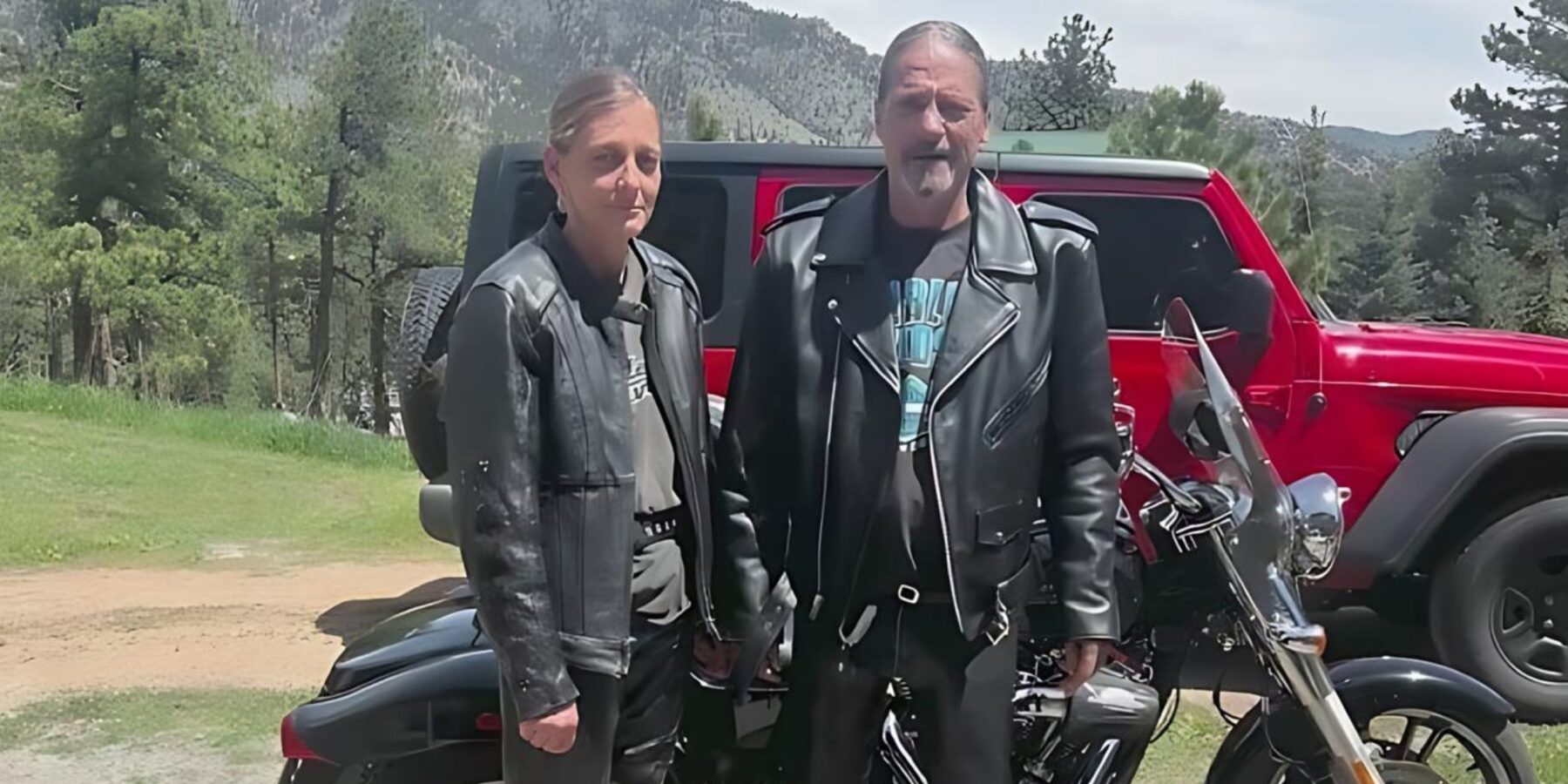
In late June 2025, a tragic motorcycle crash on Highway 66 in Boulder County left one rider dead and another with a life-threatening traumatic brain injury. According to KDVR News, a deer ran into the path of a motorcycle carrying a man and a woman, causing the impact that led to the fatal and catastrophic injuries. The accident, which happened along one of Boulder’s most scenic but dangerous stretches of roadway, underscores the sudden and devastating nature of traumatic brain injuries (TBIs) in Colorado.
For families and survivors, the aftermath of a TBI accident involves far more than physical recovery. Victims often face prolonged hospitalizations, rehabilitation, lost income, and permanent changes to their quality of life. In the most severe cases, these injuries can mean lifelong care needs and significant emotional strain on loved ones.
At the Law Office of Jordan S. Levine, we help TBI victims and their families in Boulder and across Colorado pursue justice after catastrophic accidents. Our legal team has extensive experience investigating complex crash scenes, working with medical experts, and holding negligent parties accountable. If you or someone you love suffered a traumatic brain injury in a Boulder accident, call us today at (303) 835-4910 or reach us through our contact page for a free consultation.
Details About the Boulder Traumatic Brain Injury Motorcycle Accident
The late June 2025 motorcycle crash on Highway 66 in Boulder County happened when a deer entered the roadway, colliding with the motorcycle and throwing both riders. According to KDVR News, the male rider tragically died at the scene, and the female passenger suffered a severe traumatic brain injury that required immediate hospitalization.
Highway 66, while known for its scenic views of the Front Range, has long been a challenging route due to its mix of high-speed traffic, wildlife crossings, and limited lighting in certain stretches. This incident serves as a sobering reminder of how quickly rural roadway hazards can turn deadly.
Where the Crash Happened on Highway 66
The accident occurred on a rural stretch of Colorado State Highway 66, which runs east–west between Longmont and Lyons before heading toward the foothills of the Rocky Mountains. The area is known for frequent deer activity, particularly during early morning and evening hours when visibility can be reduced. The Colorado Parks and Wildlife department has identified several wildlife migration corridors in Boulder County, increasing the need for driver vigilance.
Emergency Response and Investigation
Emergency responders from the Boulder County Sheriff’s Office and local fire departments arrived within minutes to secure the crash site and provide medical aid. The woman was transported to a nearby trauma center specializing in neurological injuries. Law enforcement closed the affected lanes while conducting an on-site investigation, which included assessing skid marks, wildlife impact points, and the final resting position of the motorcycle.
Wildlife Hazards and Road Safety in Colorado
Wildlife-related crashes are a persistent issue in Colorado, especially in mountain and foothill communities. The Colorado Department of Transportation advises drivers to be especially cautious in areas marked with wildlife crossing signs and to reduce speed during peak animal movement hours. Studies show that collisions with deer can cause severe injuries to both vehicle occupants and motorcyclists, with the latter facing significantly higher fatality rates.
Why Wildlife Collisions Can Lead to Traumatic Brain Injuries for Motorcyclists
Collisions with wildlife are among the most dangerous types of roadway accidents for motorcyclists. Without the protective structure of a vehicle, riders are exposed to direct impacts, sudden ejection, and high-force landings. In the Boulder Highway 66 crash, the deer’s unexpected movement left the motorcycle’s occupants with no time to react, resulting in fatal and life-altering injuries. According to the Colorado Department of Transportation, more than 4,000 wildlife–vehicle collisions are reported each year in the state, and the actual number is likely higher due to underreporting.
The Physics of a Motorcycle–Wildlife Collision
When a motorcycle traveling at highway speeds collides with a large animal like a deer, the kinetic energy involved is immense. The rider and passenger often absorb most of the impact. As outlined by the National Highway Traffic Safety Administration, a sudden stop or change in momentum can cause the brain to move violently within the skull, leading to a traumatic brain injury even when a helmet is worn.
Why Helmets Cannot Eliminate TBI Risk
Helmets are an essential safety device, but they cannot fully protect the brain from the rapid acceleration and deceleration forces of a crash. The Centers for Disease Control and Prevention reports that while helmets reduce the risk of death by 37 percent and head injury by 69 percent, they cannot prevent the internal shearing of brain tissue caused by sudden motion. In cases like the Boulder crash, where ejection from the motorcycle likely occurred, the protective benefits of a helmet are limited by the extreme forces at play.
The Unique Risks of Riding in Wildlife-Dense Areas
Colorado’s Front Range and foothill corridors are home to abundant wildlife. This makes routes like Highway 66 particularly hazardous during certain times of the year. According to Colorado Parks and Wildlife, deer and elk movement increases during dusk and dawn, as well as during seasonal migrations. These patterns create predictable but difficult-to-avoid risk windows for riders.
Reduced Visibility and Reaction Time
Wildlife crossings often occur in low-light conditions, which is a factor the National Safety Council identifies as a significant contributor to crash severity. Reduced visibility not only makes it harder to spot animals but also shortens the reaction time needed to avoid them. For motorcyclists, even a fraction of a second lost in response can mean the difference between a near miss and a catastrophic impact.
Lack of Protective Barriers on Rural Highways
Unlike urban roads, rural highways in Colorado often lack guardrails or wildlife fencing. The Federal Highway Administration has documented that wildlife overpasses and fencing can significantly reduce animal–vehicle collisions, but these measures are not yet widely implemented on all state roads. On Highway 66, the absence of such infrastructure leaves riders entirely vulnerable to sudden animal crossings.
How Traumatic Brain Injuries Occur in Wildlife Collisions
A traumatic brain injury, or TBI, occurs when an external force causes the brain to function abnormally. In a motorcycle–wildlife crash, this can happen in multiple ways, as described by the Mayo Clinic.
Direct Impact Injuries
These occur when the rider’s head strikes the animal, the pavement, or another object. Even with a helmet, the force can fracture the skull or cause localized brain damage. The Boulder crash likely involved both direct impact and secondary injuries from being thrown.
Acceleration–Deceleration Injuries
Also called diffuse axonal injuries, these happen when the brain shifts inside the skull due to sudden movement. The Brain Injury Association of America explains that this type of injury can be particularly devastating because it affects multiple areas of the brain, often leading to widespread neurological impairment.
Long-Term Consequences of TBIs from Motorcycle Accidents
Recovery from a traumatic brain injury can take months or years, and some victims never fully regain their pre-injury abilities. The National Institute of Neurological Disorders and Stroke notes that TBIs can result in chronic headaches, cognitive difficulties, emotional instability, and mobility challenges.
Rehabilitation and Ongoing Medical Needs
Post-injury care often involves a combination of neurology, physical therapy, occupational therapy, and psychological counseling. Facilities like Craig Hospital in Colorado specialize in brain and spinal cord injury rehabilitation, offering programs tailored to help patients regain independence.
Impact on Families and Caregivers
The ripple effects of a severe TBI extend beyond the injured person. Family members often take on caregiving roles, which can strain finances, relationships, and mental health. The Family Caregiver Alliance provides resources to help families cope with these challenges and navigate long-term care planning.
Common Legal Issues in Boulder Traumatic Brain Injury Cases
When a traumatic brain injury results from a roadway accident in Boulder, the legal process for securing compensation can be complex and time-sensitive. TBIs often involve extensive medical documentation, high lifetime care costs, and disputes over liability. In cases like the Highway 66 crash, where wildlife was a contributing factor, determining who can be held accountable requires a deep understanding of Colorado’s personal injury laws and case precedents.
Establishing Liability in Wildlife-Related Motorcycle Accidents
Liability in a wildlife–vehicle collision is not always straightforward. While drivers generally cannot sue wild animals, there may still be responsible parties. The Colorado General Assembly outlines premises and roadway maintenance obligations that may apply in certain scenarios, such as where inadequate signage, poorly designed roadways, or a lack of mitigation measures contributed to the crash.
Government Responsibility for Roadway Safety
If a public entity knew that a specific stretch of highway was a wildlife collision hotspot but failed to take reasonable preventative measures, such as installing warning signs or fencing, it could be liable under Colorado’s Governmental Immunity Act. The Colorado Department of Transportation provides traffic and crash data that can be critical in showing a pattern of accidents in a specific location.
Private Property Owners and Indirect Liability
In some cases, adjacent landowners may contribute to accident risks, such as when livestock or improperly contained animals wander onto the road. According to the Colorado Revised Statutes, livestock owners have a legal duty to prevent their animals from creating roadway hazards. While this does not apply to wild deer, it is relevant in certain TBI claims involving other animals.
The Role of Insurance in Traumatic Brain Injury Claims
Motorcycle accidents involving TBIs often result in claims against multiple insurance policies, including the injured rider’s own coverage and any available liability coverage from other parties. The Colorado Division of Insurance advises that motorcyclists carry uninsured and underinsured motorist (UM/UIM) coverage to help protect against situations where at-fault parties cannot fully cover damages.
Challenges in Proving Damages
TBIs are sometimes called “invisible injuries” because symptoms like memory loss, cognitive impairment, and emotional changes may not appear on standard imaging tests. The Brain Trauma Foundation emphasizes the importance of neuropsychological evaluations and long-term medical monitoring to fully document the extent of harm. Without this evidence, insurers may undervalue the claim.
Lifetime Care Costs for TBI Victims
According to the National Library of Medicine, the lifetime cost of care for a severe TBI can exceed several million dollars. This includes hospital stays, rehabilitation, home modifications, mobility aids, and personal care attendants. Without skilled legal advocacy, victims risk accepting settlements that do not account for these long-term expenses.
Deadlines for Filing a Traumatic Brain Injury Claim in Colorado
Colorado law sets strict time limits for personal injury claims. Under the Colorado Revised Statutes § 13-80-101, most injury cases must be filed within two years of the accident, but cases involving motor vehicles generally have a three-year statute of limitations. Missing this deadline can permanently bar recovery, regardless of injury severity.
Exceptions and Tolling Provisions
Certain circumstances can extend or “toll” the filing deadline, such as when the victim is incapacitated or a minor. The Colorado Judicial Branch notes that these exceptions are narrowly applied, making it critical for families to consult an attorney as soon as possible after a TBI.
Why Expert Witnesses Are Essential in TBI Litigation
Traumatic brain injury cases often hinge on expert testimony. Specialists in neurology, neuropsychology, accident reconstruction, and vocational rehabilitation can provide critical insights into how the injury occurred and how it will impact the victim’s future.
Medical Experts Who Explain Injury Severity
Board-certified neurologists can testify about MRI results, CT scans, and clinical evaluations. The American Academy of Neurology offers guidelines for diagnosing and managing TBIs, which can help standardize expert opinions in court.
Economic Experts Who Calculate Long-Term Losses
Vocational and economic experts can project future lost earnings, lost household services, and the cost of ongoing care. The U.S. Bureau of Labor Statistics provides wage data that can help establish these calculations for Colorado residents.
Medical and Rehabilitation Resources for Boulder Traumatic Brain Injury Survivors
For survivors of the Highway 66 motorcycle crash and other traumatic brain injuries in Boulder, recovery often requires a combination of emergency care, specialized rehabilitation, and long-term medical support. The complexity of TBI treatment means that victims must often work with a multidisciplinary team to address both the physical and cognitive challenges caused by the injury. According to the Centers for Disease Control and Prevention, early and continuous rehabilitation can improve outcomes and help patients regain independence.
Emergency and Acute Care After a TBI in Boulder
The first hours after a traumatic brain injury are critical. Rapid diagnosis and treatment can reduce the risk of secondary brain damage caused by swelling, bleeding, or lack of oxygen. In the Boulder Highway 66 accident, first responders quickly transported the surviving victim to a trauma center capable of managing severe neurological injuries.
Level I and Level II Trauma Centers in Colorado
Facilities like UCHealth University of Colorado Hospital in Aurora and Denver Health Medical Center are recognized trauma centers equipped with neurosurgery teams and advanced imaging technology. While Boulder itself does not have a Level I trauma center, nearby hospitals provide urgent access to specialists for patients with life-threatening TBIs.
Imaging and Diagnostic Protocols
Advanced imaging, such as CT and MRI scans, is used to detect bleeding, swelling, or structural damage to the brain. The Mayo Clinic notes that repeated imaging may be necessary to monitor recovery or detect complications, especially in the days following a severe injury.
Inpatient and Outpatient Rehabilitation Programs
After the acute phase, many TBI survivors require weeks or months of rehabilitation to relearn skills, regain mobility, and adapt to cognitive changes. The Craig Hospital in Englewood is one of the nation’s leading facilities for brain injury and spinal cord rehabilitation, offering both inpatient and outpatient programs tailored to the patient’s recovery stage.
Physical Therapy for Mobility and Strength
Physical therapy focuses on improving muscle tone, coordination, and balance. The American Physical Therapy Association emphasizes that therapy for TBI patients often begins with basic movements and gradually advances to more complex exercises as the patient regains control.
Occupational Therapy for Daily Function
Occupational therapists help TBI survivors relearn daily tasks such as dressing, cooking, and managing personal finances. These skills are essential for independent living, and therapists often adapt home environments to improve safety. The American Occupational Therapy Association provides guidance on therapy strategies for neurological recovery.
Speech and Cognitive Therapy
When a traumatic brain injury affects speech, memory, or problem-solving abilities, speech-language pathologists work to restore communication and cognitive skills. The American Speech-Language-Hearing Association outlines evidence-based approaches for TBI-related speech and language rehabilitation.
Psychological and Emotional Support for TBI Survivors
Recovering from a traumatic brain injury is not only a physical process it also involves addressing the emotional and psychological impact of the injury. Depression, anxiety, and mood swings are common among TBI patients, according to the National Institute of Mental Health.
Counseling and Mental Health Services
Individual counseling and support groups can help survivors process their experiences and adapt to post-injury changes. Organizations like the Brain Injury Alliance of Colorado offer peer support programs and educational resources for both patients and caregivers.
Family Support and Caregiver Training
Family members often serve as primary caregivers for TBI survivors, which can be emotionally and physically demanding. The Family Caregiver Alliance recommends caregiver training programs to teach strategies for assisting with daily activities and managing behavioral changes.
Alternative and Complementary Therapies for TBI Recovery
Some TBI survivors explore complementary treatments alongside conventional medicine. While these approaches should always be discussed with a healthcare provider, they may enhance recovery for certain patients.
Neurofeedback and Brain Stimulation Therapies
Emerging research from the National Library of Medicine suggests that neurofeedback and transcranial magnetic stimulation may help improve attention, memory, and mood in some TBI patients. These therapies are still considered experimental but are gaining traction in specialized rehabilitation centers.
Adaptive Recreation and Community Reintegration
Programs that focus on adaptive sports, outdoor activities, and community participation can help survivors regain confidence and improve their quality of life. The National Center on Health, Physical Activity and Disability provides information on recreational opportunities for people with neurological injuries.
Get Legal Help After a Boulder Traumatic Brain Injury Accident
If you or someone you love has suffered a traumatic brain injury in Boulder, whether from a motorcycle crash like the late June 2025 Highway 66 collision or another serious accident, you do not have to face the medical and legal challenges alone. The costs of long-term care, lost income, and emotional hardship can be overwhelming, and insurance companies are rarely quick to offer fair compensation.
At the Law Office of Jordan S. Levine, we understand the life-changing impact of TBIs and the urgency of building a strong case. Our legal team investigates every detail of your accident, works with medical and accident reconstruction experts, and pursues the maximum recovery available under Colorado law. We are committed to protecting your rights and guiding you through every step of the claims process.
Your future and your recovery matter. Let us fight for the compensation you need to cover medical bills, rehabilitation, lost wages, and the lasting effects of your injury. Call us today at (303) 835-4910 or reach us through our secure contact page for a free consultation.
The sooner you contact us, the sooner we can begin protecting your legal rights and helping you move forward after a Boulder traumatic brain injury accident.
Contact usfor a free consultation.
Phone: (303) 951-4810