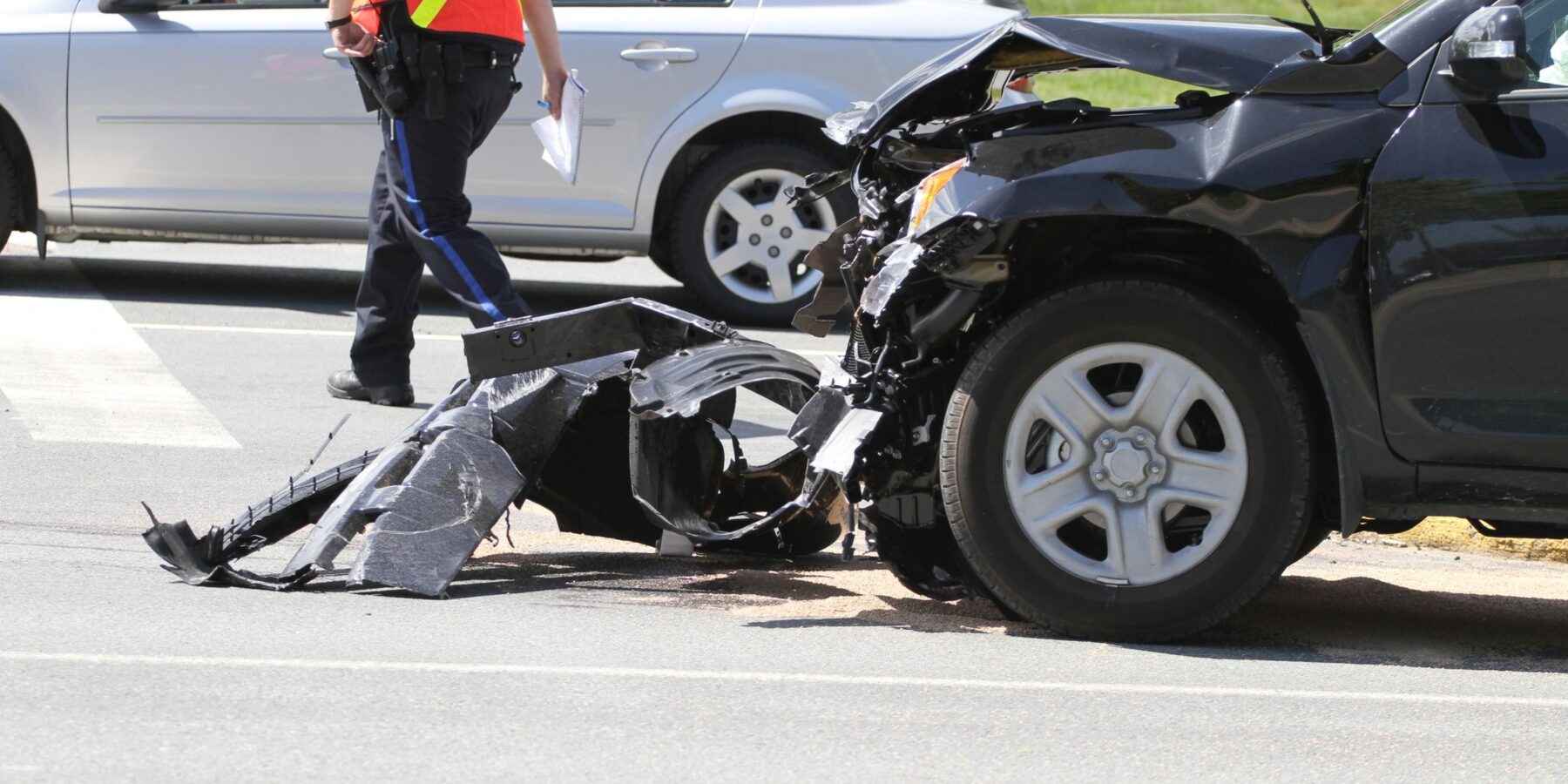
What to Know About the June 9 Colorado Springs Car Accident
On June 9, 2025, a fatal car accident closed a portion of Colorado Highway 115 near Milepost 29, sending shockwaves through the local community. According to the Colorado State Patrol, the crash occurred just south of Colorado Springs, forcing authorities to shut down both northbound and southbound lanes while investigators examined the scene. The collision highlights the ongoing dangers that drivers face on Colorado’s high-speed rural highways, especially in areas like El Paso County, where traffic volume meets mountain terrain.
This tragic event is a stark reminder that a single moment on the road can change lives forever. Whether caused by reckless driving, poor visibility, or mechanical failure, car accidents often result in devastating injuries or fatalities, and families are left to deal with the legal and financial aftermath.
If you or someone you love has been involved in a Colorado Springs car accident, you don’t have to face the consequences alone. The Law Office of Jordan S. Levine is here to help you understand your rights, pursue compensation, and navigate every step of the legal process. Call (303) 835-4910 today or contact us online through our contact page to schedule a free consultation.
Details About the June 9 Colorado Springs Car Accident
On the morning of Monday, June 9, 2025, a fatal car accident occurred on Colorado Highway 115 near Milepost 29, just south of Colorado Springs. The crash, which prompted a full highway closure in both directions, is being investigated by the Colorado State Patrol. While limited information has been released about the exact cause or number of vehicles involved, early reports confirm that at least one person was killed in the wreck.
The incident disrupted commuter routes, military travel near Fort Carson, and local access to rural El Paso County. As investigators work to reconstruct the crash, the tragedy serves as a stark reminder of how dangerous Colorado highways can be, particularly in high-speed zones with limited sight distance.
The Crash Closed Both Directions of Highway 115
Following the accident, Colorado State Patrol troopers shut down northbound and southbound lanes near Milepost 29. According to KOAA News5, emergency responders arrived on the scene just after sunrise and began coordinating rescue, traffic control, and scene analysis. The closure extended for several hours as authorities worked to document vehicle positions, assess injuries, and determine fault.
Because Highway 115 serves as a key route for residents commuting between Cañon City and Colorado Springs, the closure caused major delays. Colorado Department of Transportation (CDOT) officials advised drivers to seek alternative routes, such as I-25 or State Highway 50, while troopers continued their investigation. You can monitor future CO-115 updates and traffic closures using the CDOT traveler information page.
Milepost 29 Lies in a High-Risk Zone for Rural Collisions
Milepost 29 is located in a transitional stretch of CO-115 where highway speeds meet mountainous terrain. The area features a combination of sharp curves, limited shoulders, and inconsistent visibility due to tree cover and elevation changes. These characteristics make the zone particularly vulnerable to serious crashes.
Unlike city intersections, rural highways offer few visual cues or traffic signals to slow drivers down. A study from the Federal Highway Administration confirms that fatal crashes are significantly more likely to occur on rural roads than in urban areas, often due to higher speeds, lower seatbelt use, and delayed emergency response times.
In this case, the absence of nearby intersections or stop lights may have played a role in how quickly the crash unfolded. Speeding, inattention, or improper passing are common contributing factors on roads like this one.
Fort Carson Traffic May Add to Collision Risks
CO-115 also serves as a direct access route for Fort Carson, one of the largest military installations in the state. The highway supports a steady stream of both civilian and military traffic, including commercial delivery vehicles, construction crews, and out-of-town drivers unfamiliar with local road hazards.
The military presence increases traffic volume during shift changes, and the presence of larger military transports adds complexity to an already narrow corridor. According to Military OneSource, military bases often generate high volumes of regional traffic, which can pose an increased risk to older or less-developed infrastructure.
Highway 115 has long been a target for safety improvements, with CDOT identifying segments like the one near Milepost 29 as priority areas for widening, guardrails, and better signage. Unfortunately, many of those improvements are still pending.
Highways Near Colorado Springs Pose Unique Driving Hazards
Colorado Highway 115 may appear deceptively simple to drivers unfamiliar with the terrain, but this two-lane corridor presents a range of serious driving hazards, especially near Milepost 29, the location of the June 9 fatal crash. From sudden elevation changes to blind curves and high-speed merging, this area combines multiple risk factors that make severe collisions more likely.
Stretching between Cañon City and Colorado Springs, CO-115 serves as a key regional connector. However, the segment between Fort Carson and Penrose, where Milepost 29 is located, has become notorious for its crash history, prompting repeated calls for safety upgrades.
Two-Lane Road Design Creates Head-On Collision Risk
Unlike I-25 or other urban highways, CO-115 lacks the infrastructure to handle high volumes of fast-moving traffic. The highway consists of a single lane in each direction, separated only by painted lines. This design allows very little margin for error, especially when drivers attempt to pass slower vehicles on winding stretches.
According to the Federal Highway Administration, two-lane rural highways are prone to head-on and sideswipe crashes during passing maneuvers. Without a physical median, a moment of distraction or misjudged distance can lead to deadly consequences, particularly on curves or hills where sightlines are limited.
Efforts to install more dedicated passing zones or widen key segments have been ongoing, but until those upgrades are complete, drivers face a heightened risk of collision.
Blind Curves and Steep Grades Reduce Reaction Time
Drivers on CO-115 must also contend with sharp turns and elevation changes that reduce reaction time and require advanced skill to navigate safely. These curves often occur with little warning, and signage may be sparse in rural sections. Vehicles descending from higher elevations may struggle to slow down in time, especially in poor weather or if brake systems are not well-maintained.
Steep grades are particularly hazardous for commercial trucks or military transports, which are common on this route. The Colorado Department of Transportation (CDOT) has previously issued grade-specific safety advisories to warn drivers about the challenges of mountain highway travel. However, accidents caused by speed mismanagement on slopes remain a persistent issue.
Wildlife Crossings and Lack of Lighting Add to Danger
Milepost 29 lies in a semi-rural zone bordered by undeveloped land, which increases the likelihood of wildlife crossing the road, especially at dawn and dusk. Deer, elk, and smaller animals can enter the roadway unexpectedly, causing drivers to swerve or brake suddenly.
In addition, limited lighting on this stretch of CO-115 can make it difficult for motorists to see upcoming hazards in time. Poor visibility at night or during foggy weather adds yet another layer of risk, particularly for out-of-town drivers unfamiliar with the road layout.
The National Park Service and the U.S. Department of Transportation both emphasize that wildlife collisions account for a substantial portion of rural crashes, especially in Western states like Colorado. Installing wildlife fencing, overpasses, or improved lighting could significantly reduce these incidents, but implementation is costly and not yet widespread along this corridor.
CO-115 Is Marked for Safety Improvements, But Not Fast Enough
Despite ongoing public concern and formal studies by CDOT, large portions of CO-115 remain outdated in their design. The 2023 CDOT 10-Year Strategic Project Plan, available here, identifies Highway 115 as a corridor in need of reconstruction, particularly in El Paso and Fremont Counties.
Proposals include adding passing lanes, widening shoulders, and improving intersections, but these plans are often delayed due to funding constraints or environmental review. In the meantime, drivers continue to navigate dangerous stretches of road without the benefit of modern safety infrastructure.
Until these improvements are completed, Milepost 29 will remain a high-risk location, and tragic accidents like the one on June 9 may continue to occur.
Why Car Accidents Happen in Colorado Springs
Car accidents in Colorado Springs, like the June 9 crash on CO-115, rarely happen in a vacuum. Most are caused by a dangerous mix of environmental hazards, high-speed infrastructure, and preventable driver behaviors. From the congested lanes of I-25 to rural routes like Highway 115, the region is no stranger to serious collisions.
Understanding the most common causes of car accidents can help victims, families, and policymakers reduce future risks and hold negligent drivers accountable. It also informs legal strategy, as identifying the root cause of a crash is critical to building a strong personal injury or wrongful death claim.
Distracted Driving Endangers Everyone
One of the most significant contributors to car accidents in Colorado Springs is distracted driving. Despite widespread education efforts, drivers continue to text, eat, apply makeup, or manipulate GPS devices while behind the wheel.
Cellphone Use Behind the Wheel
Texting while driving is illegal in Colorado under C.R.S. § 42-4-239, but enforcement remains inconsistent. The National Highway Traffic Safety Administration (NHTSA) reports that distracted driving killed 3,308 people in 2022 alone. A single glance away from the road can be enough to cause a fatal rear-end or head-on collision. For more information on distracted driving laws and prevention, visit the Colorado Department of Transportation’s Distracted Driving Campaign.
In-Vehicle Technologies and GPS Distraction
Modern vehicles include infotainment systems, touchscreens, and voice assistants that can divert driver attention, even when they are hands-free. According to the AAA Foundation for Traffic Safety, drivers interacting with in-car systems experience a cognitive distraction that reduces their ability to process road hazards.
Navigation apps like Google Maps or Waze, although helpful, often lead to sudden lane changes or last-minute turns, particularly for out-of-town drivers unfamiliar with roads like CO-115.
Speeding and Reckless Driving in High-Speed Zones
Speed is a factor in nearly every type of crash, especially on open highways, where drivers feel less constrained. On roads like Academy Boulevard, I-25, and CO-115, speed limits range from 55 to 75 mph, and it’s not uncommon to see drivers exceeding those limits by 10–20 mph.
Reduced Reaction Time at Higher Speeds
Speeding reduces both reaction time and stopping distance, increasing the likelihood of severe collisions. According to the Insurance Institute for Highway Safety (IIHS), the risk of fatal crashes increases exponentially with higher speed, even small increases above posted limits can result in deadly impacts. Learn more about the physics of speeding from the IIHS Speed Fact Sheet.
Aggressive Driving and Road Rage
Colorado Springs residents have reported an uptick in aggressive driving behaviors, especially during rush hour. Tailgating, weaving between lanes, and sudden braking contribute to high collision rates on busy corridors like Powers Boulevard. The Colorado State Patrol categorizes these behaviors as “reckless endangerment,” which can lead to both criminal charges and civil liability.
For strategies on handling aggressive drivers, visit the American Automobile Association (AAA) Road Rage Guide.
Driving Under the Influence Remains a Persistent Threat
Colorado law enforcement continues to fight the dangerous combination of alcohol, cannabis, and prescription drugs behind the wheel. Impaired driving not only endangers the driver but also every person they share the road with.
Alcohol-Related Crashes in Colorado Springs
Late-night crashes and holiday weekend collisions often involve drivers with a blood alcohol concentration (BAC) of 0.08% or more, the legal limit under Colorado law. According to the Colorado Department of Revenue, even a BAC below this threshold can result in a DWAI (Driving While Ability Impaired) charge if the driver’s judgment or reflexes are compromised.
Cannabis and Drug-Impaired Driving
While recreational marijuana is legal in Colorado, driving under its influence remains illegal and dangerous. THC impairs depth perception, reaction time, and decision-making, all critical for safe driving. The Centers for Disease Control and Prevention (CDC) reports that drugged driving has surged in states with legalized cannabis, including Colorado. View their Drug-Impaired Driving page for more data.
Law enforcement agencies like the Colorado State Patrol now include drug recognition experts (DREs) at roadside checks, especially near military installations and nightlife zones.
Weather and Terrain Make Crashes More Likely
The geography of Colorado Springs, with its mix of foothills, plains, and winding rural roads, adds to the danger, particularly in adverse weather.
Snow, Ice, and Black Ice Risks
Slippery roads are a leading cause of spinouts and rear-end crashes from November through April. Even with all-season tires, drivers frequently underestimate the time needed to stop or steer on slick roads. The National Weather Service warns that black ice is nearly invisible and most common in the early morning or late evening.
CDOT requires drivers to carry tire chains or use snow-rated tires during designated months on mountain roads. For real-time updates and winter preparedness, check the CDOT Winter Travel Conditions page.
Steep Grades and Blind Turns on CO-115
Highway 115, especially near Milepost 29, features rapid elevation changes and limited sight distance, which increase the risk of overcorrection or brake failure. This is particularly dangerous for commercial trucks and military convoys. The Federal Motor Carrier Safety Administration (FMCSA) enforces steep-grade driving protocols for large vehicles, but not all drivers adhere to them.
Road Maintenance and Construction Hazards
Finally, infrastructure-related factors also contribute to local crashes. Potholes, faded lane markings, and poorly managed work zones all increase collision risk.
Active Work Zones Create Confusion
The Federal Highway Administration (FHWA) reports that crashes in work zones have increased nationwide due to poor signage, abrupt detours, and narrow lanes. In Colorado Springs, ongoing improvements along I-25 and CO-115 create conditions where drivers must navigate cones, barriers, and sudden lane shifts, often with little warning. Visit the FHWA Work Zone Safety site for national data and best practices.
Poor Lighting and Visibility at Night
In rural areas like Milepost 29, inadequate street lighting makes it harder to spot wildlife, debris, or road curves at night. This risk multiplies during fog, rain, or snow. Many fatal crashes occur simply because a driver could not see the danger ahead until it was too late.
What to Do After a Crash on a Rural Highway in Colorado Springs
Car accidents on rural highways like CO-115 can be especially disorienting and dangerous due to limited access to emergency services, poor cell reception, and long distances between help. Knowing what steps to take in the aftermath of a Colorado Springs car accident, particularly on isolated roads, can be the difference between life-threatening delays and timely medical or legal recovery.
Whether you’re injured, assisting someone else, or dealing with a fatal crash, following these steps can protect your health, preserve evidence, and strengthen your legal case.
Call 911 Immediately, Even If Injuries Seem Minor
In Colorado, you’re legally required to report an accident that involves injury, death, or significant vehicle damage. On rural stretches of Highway 115, delays in contacting emergency services could cost lives, especially if trauma is internal or not immediately visible.
If possible, call 911 as soon as you’re safe and able. Even if you think you’re not injured, adrenaline can mask serious injuries. First responders from El Paso County Sheriff’s Office or Colorado State Patrol Troop 2D are trained to secure rural crash sites and coordinate rescue logistics.
Enable Location Services on Your Phone
Because CO-115 includes long stretches without cross streets or landmarks, it’s important to activate GPS location services on your phone if you’re calling 911. Use coordinates or highway mile markers (e.g., “Milepost 29”) to direct emergency crews accurately.
The FCC Guide to Wireless Emergency Services explains how smartphone technology can assist dispatchers during rural emergencies.
Get to a Safe Location Without Leaving the Scene
If your vehicle is still drivable, move it to the shoulder or as far from the roadway as possible. If not, remain inside with your seatbelt on unless there’s an immediate danger like fire or fuel leakage.
Warn other drivers by activating your hazard lights and, if safe, placing reflective triangles or flares. Visibility is especially limited near curves and during early morning or evening hours, both risk factors near Milepost 29 on CO-115.
Never leave the crash scene unless instructed by law enforcement. Doing so could result in criminal penalties under Colorado law.
Seek Immediate Medical Attention
Even in crashes where you feel “fine,” you must get checked by a medical professional. Rural crash victims often delay care, not realizing they’ve suffered internal bleeding, traumatic brain injuries, or spinal damage. These injuries may take hours or even days to appear, and waiting too long can complicate your health and legal claim.
For evaluation and trauma care in the Colorado Springs region, consider:
For a breakdown of post-crash symptoms to monitor, visit the Mayo Clinic’s Guide to Whiplash and Concussion.
Document the Scene Carefully If You’re Able
If you’re not seriously hurt and it’s safe to do so, use your phone to thoroughly document the crash site before evidence disappears. On isolated highways like CO-115 near Milepost 29, emergency responders may take longer to arrive, and wind, passing vehicles, or environmental conditions can quickly disturb crucial details. By capturing photos and notes in real time, you preserve evidence that could later become central to your legal claim or insurance negotiations.
Vehicle Positions and Damage
Photographing the position of each vehicle after a crash is essential for proving how the accident occurred. Images showing angles of impact, distance between vehicles, and final resting positions can help accident reconstruction experts determine speed, direction, and fault. This is especially important on winding rural roads like CO-115, where skid marks and vehicle placement can show whether a driver crossed the center line or failed to navigate a curve properly.
Make sure to capture wide shots from multiple angles, as well as close-ups of the areas with the most visible damage. These details can later support claims of speeding, brake failure, or distracted driving.
License Plates and Insurance Details
Always take clear photos of the license plates and visible registration stickers of every vehicle involved. These identifiers are crucial when filing police reports and insurance claims. You should also photograph the other driver’s insurance card if they provide it, as well as any company branding if the vehicle is commercial (e.g., delivery trucks or government vehicles).
In some cases, particularly hit-and-run or multi-vehicle accidents, having this documentation helps law enforcement identify responsible parties and ensures accurate information is recorded in the official crash report.
Roadway Features Including Curves, Signage, and Skid Marks
Documenting the roadway itself provides context for how and why the accident occurred. Take photos of curve warnings, stop signs, speed limit indicators, or missing signage, as these elements can support claims related to poor road design or visibility. If skid marks are present, capturing their length and direction can provide valuable insight into whether a driver attempted to stop or swerve prior to impact.
For a rural highway like CO-115, where visibility and signage vary greatly, documenting these features may uncover contributing factors beyond driver behavior, including negligence by the Colorado Department of Transportation or local municipalities.
Weather and Lighting Conditions
Weather plays a major role in highway crashes, especially in Colorado, where conditions can shift rapidly. If it was foggy, raining, snowing, or excessively bright, be sure to document the sky, horizon, and road surface at the time of the crash. Visibility levels and shadow angles can reveal whether lighting contributed to the accident or made it more difficult to spot hazards ahead.
Photographic proof of poor visibility, slick pavement, or even a blinding sunrise can help establish how environmental factors influenced your crash. This is particularly helpful when pursuing compensation in insurance disputes or court proceedings.
Any Visible Injuries
If you’re able and it is safe and respectful to do so, document visible injuries to yourself or others. Photos of bruises, lacerations, swelling, or airbag abrasions can be used as supplemental evidence of physical trauma. These visual records may later prove vital in cases where the insurance company disputes the severity of your injuries or claims they were preexisting.
While medical records are essential, images taken immediately after the accident show how the injuries appeared in real time, often before swelling subsides or wounds are treated. Be sure to also capture things like torn clothing or blood stains that could indicate the force of the impact.
These photos can help reconstruct the scene and support claims related to liability, speeding, or road design flaws, especially important for collisions on winding rural highways where visibility is limited.
You can also draw a quick sketch, noting vehicle positions, travel direction, and impact points.
Request a Copy of the Crash Report
Every crash investigated by the Colorado State Patrol or a local law enforcement agency results in an official crash report. This document contains critical information about the following.
Driver Statements
Driver statements included in the official crash report provide key insights into how each motorist perceived the collision. These narratives often include information about speed, braking attempts, weather visibility, and any evasive maneuvers made before impact. In rural areas like Milepost 29 on CO-115, drivers may also describe whether curves, wildlife, or lighting conditions influenced their actions.
Because these statements are recorded shortly after the accident, while memories are still fresh, they carry significant evidentiary weight. Insurance companies, attorneys, and accident reconstruction specialists often rely on these accounts to assess fault, determine inconsistencies, or support claims of negligence. If you were injured in a Colorado Springs car accident, your statement can help clarify what happened before evidence is moved or cleared from the roadway.
Potential Violations
Crash reports also list any traffic violations observed or cited by responding officers. This may include speeding, failure to yield, improper passing, running a stop sign, or even more serious infractions like reckless driving or DUI. For example, if a driver was cited for passing illegally on a curve along CO-115, that violation could become a central element of a personal injury lawsuit.
In Colorado, a documented violation creates a presumption of negligence in many civil cases. Even if no ticket is issued at the scene, the officer may note behavior or roadway conditions that suggest a violation occurred. Your attorney can use this section of the report to argue that the other party was clearly at fault, an important step in proving liability and maximizing compensation after a rural crash.
Skid Mark Measurements
Skid marks, yaw marks, and tire imprints are physical clues that show how fast vehicles were moving and whether drivers attempted to brake or steer before impact. These markings are especially important on rural roads like CO-115, where speed limits are high and reaction times are limited due to curves or poor visibility.
Police officers at the scene often measure the length, width, and direction of skid marks, which they include in the report along with diagrams. These measurements can help an accident reconstruction expert determine vehicle speed, angle of collision, and sequence of impact. When combined with vehicle damage and driver accounts, skid mark analysis can confirm or dispute a driver’s version of events.
If your attorney can prove that the other driver failed to brake or lost control while speeding, it may significantly improve your claim for damages in a Colorado Springs car accident case.
Road Conditions
The crash report also details current road conditions, including weather, surface status (wet, dry, icy), visibility, lighting, and signage, which often play a critical role in rural highway accidents. In the Colorado Springs area, weather can change rapidly, and sections of CO-115 are particularly prone to fog, sun glare, and icy patches in the morning or late evening.
If the road surface was slick, covered in debris, or lacking appropriate warning signs, this information can point to potential government liability or provide context for how the crash occurred. Law enforcement may also note whether potholes, missing guardrails, or poor shoulder maintenance contributed to the crash, which could bolster claims against municipal or state agencies responsible for maintaining the highway.
In personal injury cases, documented hazardous conditions can shift liability from drivers to third parties, including construction contractors or the Colorado Department of Transportation.
Witness Interviews
Witness interviews are among the most valuable tools in any car accident case. When officers record statements from bystanders, passengers, or other uninvolved drivers, they often reveal details that neither driver mentioned. These third-party perspectives can support claims of speeding, distracted driving, unsafe passing, or failure to yield.
In rural areas like Milepost 29, witnesses may include nearby residents, other drivers traveling CO-115, or even military personnel commuting to Fort Carson. Witnesses often describe vehicle behavior before impact, such as swerving, erratic lane changes, or aggressive maneuvers, that help establish fault.
Crash reports are often required when filing insurance claims or personal injury lawsuits and are considered reliable evidence in court.
Do Not Admit Fault or Speak to Insurance Adjusters Right Away
One of the most common mistakes drivers make after a car accident is admitting fault prematurely or offering speculative statements to insurance representatives. These statements, even if made innocently, can be used against you during a claim.
You are not legally obligated to speak with the at-fault driver’s insurance company, and doing so may hurt your chances of receiving fair compensation. The Colorado Division of Insurance recommends consulting a lawyer before making recorded statements or signing documents. See their Auto Insurance Resource Guide for more.
Contact a Colorado Springs Car Accident Attorney as Soon as Possible
The faster you get an attorney involved after a Colorado Springs car accident, the better your chances of recovering the full compensation you deserve. In the chaotic aftermath of a serious collision, especially on rural roads like CO-115, where visibility is low and the crash scene may be altered quickly, critical evidence can vanish within hours. Insurance companies often begin their investigations immediately, and they are not on your side. By involving a skilled legal team early, you ensure that your rights are protected from the start and that no opportunity is lost to strengthen your claim.
Investigate Road Conditions and Driver Behavior
One of the first and most important steps a car accident lawyer takes is to investigate the circumstances surrounding the crash, including driver behavior and environmental factors. On rural highways like CO-115 near Milepost 29, this investigation may involve analyzing the slope of the road, curve radius, nearby signage, or history of past crashes in the area. Attorneys often work with accident reconstruction experts to evaluate whether a driver was speeding, distracted, or violated traffic laws, or if poor road maintenance played a role.
An experienced attorney will also review the scene in person when necessary, obtain official crash reports, and identify all potentially liable parties. This is especially crucial in Colorado Springs car accident cases involving serious injury or death, where local terrain and limited visibility may have contributed to the collision.
Preserve Crash Scene Evidence
Time is critical after a car accident, especially on remote roads where traffic, weather, or cleanup crews can alter the scene within hours. A dedicated attorney knows how to move quickly to preserve physical and digital evidence before it disappears. This can include photographing the scene, collecting dash cam footage, requesting surveillance video from nearby businesses or properties, and securing black box data from involved vehicles.
In cases like the June 9 CO-115 crash, where the road may lack cameras or reliable cell reception, a legal team can send investigators to collect measurements, identify fresh skid marks, and interview witnesses while their memories are still intact. Preserving this evidence can make or break a Colorado Springs car accident claim, especially if liability is disputed or multiple vehicles were involved.
Review Medical Records
To recover full compensation, your legal team must establish the extent of your injuries and the financial impact they will have over time. An experienced car accident attorney will gather and review all relevant medical records, including hospital visits, emergency room treatments, specialist consultations, diagnostic scans, prescriptions, physical therapy reports, and long-term care plans.
They may also consult medical experts to determine how injuries like traumatic brain injuries, spinal damage, or internal organ trauma will affect your life going forward. This detailed documentation allows your attorney to accurately calculate damages related to pain and suffering, lost income, future medical needs, and permanent disability, a key part of building a strong claim after a serious Colorado Springs car accident.
Negotiate with Insurers
Insurance companies often move fast after a crash, but not in your favor. Their adjusters are trained to minimize payouts and protect corporate profits, often offering lowball settlements before you fully understand the value of your claim. A skilled car accident attorney acts as your shield, handling all communication with insurance companies to ensure your rights are protected.
Your attorney will present the evidence, medical reports, and legal arguments necessary to demand fair compensation. They can also counter tactics like claim delays, denial of fault, or pressure to accept early settlements. In Colorado Springs car accident cases involving rural collisions, insurers may attempt to shift blame to the victim or downplay injury severity, making professional negotiation essential.
File a Lawsuit Before the Statute of Limitations Expires
In Colorado, car accident victims typically have three years from the date of the crash to file a personal injury lawsuit, per C.R.S. § 13-80-101. However, certain exceptions, such as crashes involving government vehicles or wrongful death, may reduce that timeline.
A car accident lawyer ensures your case is filed on time and meets all procedural requirements. This includes preparing legal complaints, gathering expert testimony, and building a case that’s ready for trial if necessary. If you miss the deadline, you may lose your right to recover any damages, regardless of how strong your case is. This is why contacting a lawyer immediately after a Colorado Springs car accident is one of the most important decisions you can make.
Get Legal Help After a Colorado Springs Car Accident
A serious car accident can change everything in a matter of seconds, especially on a rural highway like CO-115. Whether you’re dealing with catastrophic injuries, grieving the loss of a loved one, or navigating complex insurance battles, you shouldn’t face the aftermath alone. At the Law Office of Jordan S. Levine, we understand how devastating a Colorado Springs car accident can be, and we’re here to help you rebuild.
We work on a contingency fee basis, which means you pay nothing unless we win your case. Our firm is committed to protecting your rights, supporting your recovery, and holding negligent drivers accountable.
Call us today at (303) 835-4910 or visit our contact page to schedule a free, no-obligation consultation. You don’t have to go through this alone. Let us help you take the first step toward justice and financial recovery.
Contact usfor a free consultation.
Phone: (303) 951-4810