
Family Files Lawsuit After 7-year-old Daughter Breaks Spine at Denver Adventure Park

A family has filed a lawsuit after their 7-year-old daughter suffered a severe spinal injury following a fall at a Denver adventure park, according to local sources. The incident occurred when he child fell approximately 20 feet while using an attraction, resulting in a broken spine and life-altering injuries. The incident has raised serious concerns about safety measures, supervision, and whether proper precautions were in place to prevent such a devastating accident. This case highlights how a Denver slip and fall incident, especially in recreational environments, can lead to catastrophic consequences that affect victims and their families for years to come.

Incidents like this can leave families facing overwhelming medical expenses, emotional distress, and uncertainty about the future. A Denver slip and fall accident involving serious injuries often raises complex questions about liability, safety standards, and negligence. At Levine Law, we understand how difficult these situations can be, and we are committed to helping families navigate the legal process with clarity and confidence. We work closely with our clients to evaluate every aspect of the case, protect their rights, and pursue the compensation they deserve. Call us today at (303) 951-4810 to discuss your situation and take the first step toward securing the support your family needs.

Why Legal Support Matters After a Denver Catastrophic Slip and Fall Accident

Why Legal Support Matters After a Denver Catastrophic Slip and Fall Accident

At Levine Law, we understand that a Denver slip and fall involving catastrophic injuries can create complex legal challenges that require immediate and careful attention. We work closely with our clients to investigate the circumstances of the accident, gather critical evidence, and identify all parties who may be responsible. These cases often involve issues related to property maintenance, safety protocols, and supervision, which must be thoroughly examined. With our support, you can focus on your family’s recovery while we handle the legal process with diligence and care.

We also recognize that insurance companies and property owners may attempt to minimize responsibility or dispute the extent of damages in serious injury cases. That is why we take a proactive approach by managing communications, negotiating on your behalf, and advocating for full and fair compensation. Our team is committed to ensuring that your case reflects the true impact of the accident, including long-term medical care, rehabilitation, and emotional hardship. When you work with us, you gain a legal partner dedicated to protecting your interests and helping you move forward with confidence.

Common Causes of a Denver Slip and Fall Accident

Common Causes of a Denver Slip and Fall Accident

A Denver slip and fall accident can occur in a wide range of environments, including recreational facilities, businesses, and public spaces. These incidents are often the result of preventable hazards that property owners fail to address in a timely manner. Understanding the most common causes helps highlight how negligence and unsafe conditions contribute to serious injuries. By identifying these risks, victims and families can better understand how the accident may have occurred.

Unsafe Property Conditions

Hazardous conditions on a property are one of the leading causes of slip and fall accidents. These may include wet floors, uneven surfaces, or poorly maintained walkways that create dangerous situations for visitors. In many cases, these hazards are known to property owners but are not properly addressed. As a result, individuals are exposed to unnecessary risks.

Lack of Warning Signs

When hazards cannot be immediately corrected, property owners are expected to provide clear warnings. For example, wet floor signs or barriers can help prevent accidents. However, when these warnings are missing or insufficient, individuals may unknowingly encounter dangerous conditions. This failure can contribute directly to a Denver slip and fall accident.

Poor Maintenance and Upkeep

Regular maintenance is essential for keeping properties safe for visitors and guests. When routine inspections and repairs are neglected, small issues can develop into serious hazards. For instance, damaged flooring or loose handrails can create dangerous conditions over time. Therefore, proper upkeep plays a critical role in preventing accidents.

Delayed Repairs and Negligence

Delaying necessary repairs can significantly increase the risk of injury. Property owners who fail to fix known issues may be considered negligent. This includes ignoring reports of hazards or failing to act promptly after discovering a problem. Addressing maintenance concerns quickly helps reduce the likelihood of accidents.

Inadequate Supervision and Safety Measures

In environments such as amusement parks or recreational facilities, supervision and safety protocols are especially important. When staff members are not properly trained or attentive, risks may go unnoticed. In addition, inadequate safety measures can increase the likelihood of serious injuries. Proper oversight is essential for maintaining a safe environment.

Failure to Enforce Safety Guidelines

Clear safety guidelines are often in place to protect visitors, but they must be consistently enforced. When rules are ignored or not communicated effectively, accidents can occur. For example, failing to monitor equipment use or capacity limits can create dangerous situations. Strong enforcement helps prevent avoidable injuries.
Who May Be Liable in a Denver Slip and Fall Case

Who May Be Liable in a Denver Slip and Fall Case

Determining liability in a Denver slip and fall case requires a careful evaluation of all parties responsible for maintaining a safe environment. These cases often involve more than one potentially liable party, depending on the circumstances of the accident. Identifying who is responsible is essential for pursuing compensation and holding negligent parties accountable. A thorough investigation helps clarify how each party contributed to the incident.

Property Owners

Property owners are typically responsible for ensuring that their premises are safe for visitors. This includes maintaining the property, addressing hazards, and providing warnings when necessary. When they fail to meet these responsibilities, they may be held liable for resulting injuries. Evaluating their actions is a key step in the process.

Duty of Care and Responsibility

Property owners owe a duty of care to individuals who enter their premises lawfully. This means they must take reasonable steps to prevent foreseeable harm. When this duty is breached, it may constitute negligence. Establishing this duty is essential for building a claim.

Property Managers and Operators

In many cases, property management companies or operators are responsible for day-to-day maintenance and safety. These parties may be tasked with inspections, repairs, and oversight of the property. If they fail to perform these duties properly, they may share liability. Their role must be carefully evaluated during the investigation.

Failure to Maintain Safe Conditions

Managers and operators are expected to identify and address hazards in a timely manner. Failure to do so can create unsafe conditions that lead to accidents. This includes neglecting routine inspections or ignoring reported issues. Their actions may contribute directly to a Denver slip and fall accident.

Third Parties and Contractors

Liability may also extend to third parties such as contractors or service providers who perform work on the property. For example, a cleaning company or construction crew may create hazards if proper precautions are not taken. These parties can be held responsible if their actions contribute to the accident. Identifying their involvement is important for a complete claim.

Negligent Work or Oversight

Improper work or lack of oversight can lead to dangerous conditions on a property. For instance, leaving equipment unattended or failing to secure an area can increase risks. When these actions result in injury, the responsible party may be held accountable. Careful evaluation helps determine liability.
Injuries Commonly Seen in a Denver Slip and Fall Accident

Injuries Commonly Seen in a Denver Slip and Fall Accident

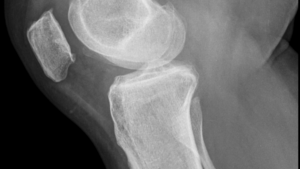
A Denver slip and fall accident can result in a wide range of injuries, some of which may have long-lasting effects on a victim’s life. These incidents often involve sudden and forceful impacts that can cause serious physical harm. The severity of injuries depends on factors such as the height of the fall and the surface involved. Understanding these injuries highlights the importance of proper safety measures.

Spinal Cord and Back Injuries

Spinal injuries are among the most serious outcomes of slip and fall accidents, especially when the impact involves the back. These injuries can lead to long-term complications, including limited mobility or chronic pain. In severe cases, they may result in partial or complete paralysis. Immediate medical attention is essential for proper treatment.

Long-Term Mobility Challenges

Spinal injuries can significantly affect a person’s ability to perform daily activities. Victims may require ongoing medical care, physical therapy, or assistive devices. These challenges can impact both independence and quality of life. Addressing these injuries often involves long-term planning.

Head and Brain Injuries

Head injuries can occur when a person strikes their head during a fall, leading to concussions or traumatic brain injuries. These conditions may affect cognitive function, memory, and coordination. Even seemingly minor head injuries can have lasting effects. Early diagnosis is critical for effective treatment.

Cognitive and Emotional Effects

Brain injuries can lead to changes in mood, concentration, and behavior over time. Victims may experience difficulties in both personal and professional settings. These effects often require ongoing support and treatment. Recognizing these impacts is important for recovery.

Fractures and Orthopedic Injuries

Slip and fall accidents often result in broken bones, particularly in the arms, wrists, or hips. These injuries can occur when individuals attempt to brace themselves during a fall. Recovery may involve surgery, physical therapy, and extended healing periods. Fractures can significantly limit mobility and daily activities.

Recovery and Rehabilitation Needs

Orthopedic injuries often require a structured rehabilitation process to restore strength and function. This may include physical therapy and ongoing medical care. Recovery timelines can vary depending on the severity of the injury. Proper treatment is essential for a full recovery.

Soft Tissue and Internal Injuries

Soft tissue injuries such as sprains, strains, and bruising are also common in slip and fall accidents. In addition, internal injuries may occur and are not always immediately visible. These conditions can be serious if left untreated. Prompt medical evaluation helps ensure proper diagnosis.

Delayed Symptoms and Complications

Some injuries may not show symptoms right away, which can delay treatment if not properly addressed. Pain or discomfort may develop over time following the accident. Seeking medical care early helps identify these issues. This also creates important documentation for a claim.

How Premises Liability Laws Apply to a Denver Slip and Fall Claim

How Premises Liability Laws Apply to a Denver Slip and Fall Claim

Premises liability laws play a central role in determining responsibility for a Denver slip and fall accident. These laws establish the duties that property owners and others must follow to maintain safe conditions. When these duties are not met, injured individuals may have the right to pursue compensation. Understanding how these laws apply helps clarify the legal process.

Legal Duties of Property Owners

Property owners are required to maintain reasonably safe conditions and address potential hazards. This includes conducting regular inspections and making necessary repairs. When they fail to meet these obligations, they may be held liable for injuries. Establishing this duty is essential for a claim.

Foreseeable Risks and Responsibility

Owners must take action to prevent risks that are reasonably foreseeable. For example, they should address known hazards before they cause harm. Failure to do so may be considered negligence. Identifying these risks helps support a claim.

Proving Negligence in a Claim

To succeed in a slip and fall case, it must be shown that the property owner was negligent. This involves demonstrating that a hazardous condition existed and was not properly addressed. Evidence such as photographs and maintenance records can support this claim. Establishing negligence is a key component of the legal process.

Role of Evidence in Establishing Fault

Evidence helps show how the accident occurred and whether proper precautions were taken. This may include witness statements, incident reports, and expert analysis. Strong evidence strengthens the case and supports the victim’s position. Proper documentation is essential for success.

Comparative Fault Considerations

In some cases, the injured party may share some responsibility for the accident. Colorado follows a comparative fault system, which can affect the amount of compensation awarded. Evaluating each party’s role helps determine how liability is distributed. This analysis is important for understanding potential outcomes.

Impact on Compensation

If a victim is partially at fault, their compensation may be reduced based on their level of responsibility. This makes it important to accurately assess all contributing factors. Proper handling of comparative fault issues can influence the final result. Legal guidance can help navigate these complexities.

Steps to Take After a Denver Slip and Fall Accident

Steps to Take After a Denver Slip and Fall Accident

Taking the right steps after a Denver slip and fall accident can help protect your health and strengthen your legal claim. The moments following an accident can be overwhelming, but acting carefully is essential. Knowing what to do can help preserve evidence and ensure your rights are protected. A clear plan can make a meaningful difference in your case.

Seek Immediate Medical Attention

Your health should always be the top priority after an accident, even if injuries appear minor. Some conditions may worsen over time without treatment. Prompt medical care ensures proper diagnosis and recovery. It also creates documentation that supports your claim.

Follow Through With Treatment

Continuing care is important for both recovery and documentation of your injuries. Attending follow-up appointments helps track progress and ensure proper healing. This information can demonstrate the impact of the accident. Consistent treatment strengthens your case.

Document the Accident Scene

Gathering evidence at the scene helps preserve important details about how the accident occurred. Taking photographs and collecting witness information can provide valuable support. These details may be difficult to obtain later. Accurate documentation is essential.

Collecting Witness Information

Witnesses can provide important insights into the accident and confirm key details. Their statements may support your version of events. Collecting their contact information allows for follow-up if needed. This evidence can strengthen your claim.

Report the Incident

Reporting the accident to the property owner or management ensures that an official record is created. This report can provide important details about the incident. Having documentation helps support your case. It also ensures that the issue is properly recorded.

Communicating Clearly

Providing accurate information without speculation is important when reporting the incident. Avoid making assumptions about fault or responsibility. Clear communication helps prevent misunderstandings. This protects your interests moving forward.

Seek Legal Guidance

Consulting with a legal professional can help you understand your rights and options. Slip and fall cases often involve complex liability issues that require careful handling. Legal guidance helps ensure that your claim is properly managed. Early support can improve your outcome.

Protecting Your Claim Early

An attorney can help gather evidence, handle communications, and avoid common mistakes. This allows you to focus on recovery while your case is managed effectively. Proper guidance helps ensure that deadlines are met. This strengthens your position.

How Compensation Is Determined in a Denver Slip and Fall Case

How Compensation Is Determined in a Denver Slip and Fall Case

Compensation in a Denver slip and fall case is based on a detailed evaluation of the damages caused by the accident. These damages may include both financial losses and the broader impact on a victim’s life. Determining the value of a claim requires careful analysis and documentation. Understanding these factors helps set realistic expectations.

Economic Damages

Economic damages represent measurable financial losses such as medical expenses and lost income. These costs are supported by documentation such as bills and receipts. Accurate calculation ensures that all losses are accounted for. This forms the foundation of a compensation claim.

Future Medical and Financial Needs

Some injuries may require ongoing care or result in reduced earning capacity. Estimating these future costs is important for long-term stability. Expert input may be used to determine these amounts. Including future damages provides a more complete claim.

Non-Economic Damages

Non-economic damages address the emotional and personal impact of the accident. These may include pain, suffering, and loss of enjoyment of life. Although they are not tied to specific financial amounts, they are significant. Evaluating these factors ensures a comprehensive claim.

Emotional and Psychological Effects

Victims may experience anxiety, stress, or other emotional challenges following a serious fall. These effects can influence daily life and overall well-being. Recognizing these impacts is essential when determining compensation. Proper documentation supports these claims.

Factors That Influence Claim Value

Several factors can affect the overall value of a slip and fall claim, including injury severity and clarity of liability. Strong evidence and clear documentation often lead to better outcomes. Insurance policy limits and negotiation strategies also play a role. Understanding these elements helps guide the process.

Role of Evidence and Legal Strategy

The strength of the evidence presented can significantly influence the outcome of a claim. Detailed records and expert testimony support a more compelling case. Legal strategy also affects how these elements are presented. A well-prepared case increases the likelihood of fair compensation.

How Evidence Strengthens a Denver Slip and Fall Claim

How Evidence Strengthens a Denver Slip and Fall Claim

Building a strong Denver slip and fall claim requires clear, well-documented evidence that shows how the accident occurred and who may be responsible. Without supporting proof, it can be difficult to establish negligence or demonstrate the full extent of damages. Therefore, collecting and preserving evidence as early as possible plays a critical role in the success of a case. With the right documentation, victims and families can present a more compelling and accurate account of what happened.

Incident Reports and Official Documentation

Incident reports are often one of the first pieces of evidence created after a slip and fall accident. These reports typically include details about the location, conditions, and initial observations related to the incident. In addition, they may contain statements from employees or witnesses who were present at the time. As a result, these documents help establish a foundation for understanding how the accident occurred.

Internal Reports and Property Records

Businesses and property owners may maintain internal reports that document safety issues or previous incidents. These records can reveal patterns of negligence or ongoing hazards that were not addressed. Furthermore, maintenance logs may show whether inspections were conducted regularly. This information can strengthen a Denver slip and fall claim by highlighting prior knowledge of unsafe conditions.

Surveillance Footage and Visual Evidence

Video footage can provide a clear and objective view of the events leading up to a slip and fall accident. Cameras located in public or commercial spaces may capture the exact moment of the incident or conditions immediately beforehand. In addition, photographs taken at the scene can document hazards such as spills, debris, or uneven surfaces. Therefore, visual evidence often plays a powerful role in supporting a claim.

Capturing Hazardous Conditions

Images and video can show conditions that may have contributed to the accident, such as poor lighting or lack of warning signs. These details help demonstrate whether the property owner took reasonable steps to maintain safety. Moreover, visual evidence can be used to reconstruct the sequence of events. This adds clarity and credibility to the case.

Maintenance Records and Safety Logs

Maintenance records provide insight into how a property was managed and whether safety procedures were followed. These documents may include inspection schedules, repair requests, and records of completed work. In addition, they can reveal whether hazards were identified but not properly addressed. As a result, these records can help establish negligence.

Identifying Patterns of Neglect

When maintenance records show repeated issues or delayed repairs, they may indicate a pattern of neglect. For example, recurring complaints about a specific hazard may suggest that the property owner failed to act responsibly. This type of evidence can strengthen a claim by demonstrating ongoing risks. Identifying these patterns helps support liability arguments.

Witness Statements and Testimony

Witnesses can provide valuable perspectives on how the accident occurred and the conditions present at the time. Their statements may confirm key details or clarify events that are not captured in other evidence. In addition, multiple witness accounts can reinforce the consistency of the claim. Therefore, gathering this information early is highly beneficial.

Supporting the Victim’s Account

When witness testimony aligns with the victim’s version of events, it adds credibility to the case. This can help counter conflicting narratives or disputes raised by other parties. Furthermore, consistent testimony can influence how liability is determined. Strong witness support can make a meaningful difference in the outcome.

Expert Testimony and Case Analysis

In complex cases, expert testimony may be used to explain technical aspects of the accident. Experts can analyze factors such as safety standards, property conditions, and injury severity. In addition, they can provide professional opinions that clarify how negligence contributed to the incident. This level of analysis strengthens the overall claim.

Explaining Liability and Injury Impact

Experts can help connect the evidence to legal standards by explaining how the property owner failed to meet their responsibilities. They may also describe the long-term effects of injuries and the care required for recovery. This information provides a deeper understanding of the case. As a result, expert testimony can significantly enhance a Denver slip and fall claim.

Contact an Experienced Personal Injury Lawyer in Denver Today

Contact an Experienced Personal Injury Lawyer in Denver Today

Pursuing legal action after a serious accident can help protect your rights and provide the financial support needed for recovery. Levine Law is prepared to review your case, explain your legal options, and develop a strategy tailored to your family’s specific circumstances. We understand that catastrophic injuries can have long-term consequences, which is why we approach every case with thorough preparation and attention to detail. With our guidance, you can move forward with greater clarity during a challenging time.

Our team is committed to handling every aspect of your case while you focus on healing and supporting your loved one. We work diligently to gather evidence, address insurance challenges, and pursue a fair outcome that reflects the full extent of your losses. When you choose Levine Law, you are choosing a firm that prioritizes your needs and advocates for your future. Call us today at (303) 951-4810 or reach out online to schedule a consultation and take the next step toward resolving your case.


Contact usfor a free consultation.

Phone: (303) 951-4810