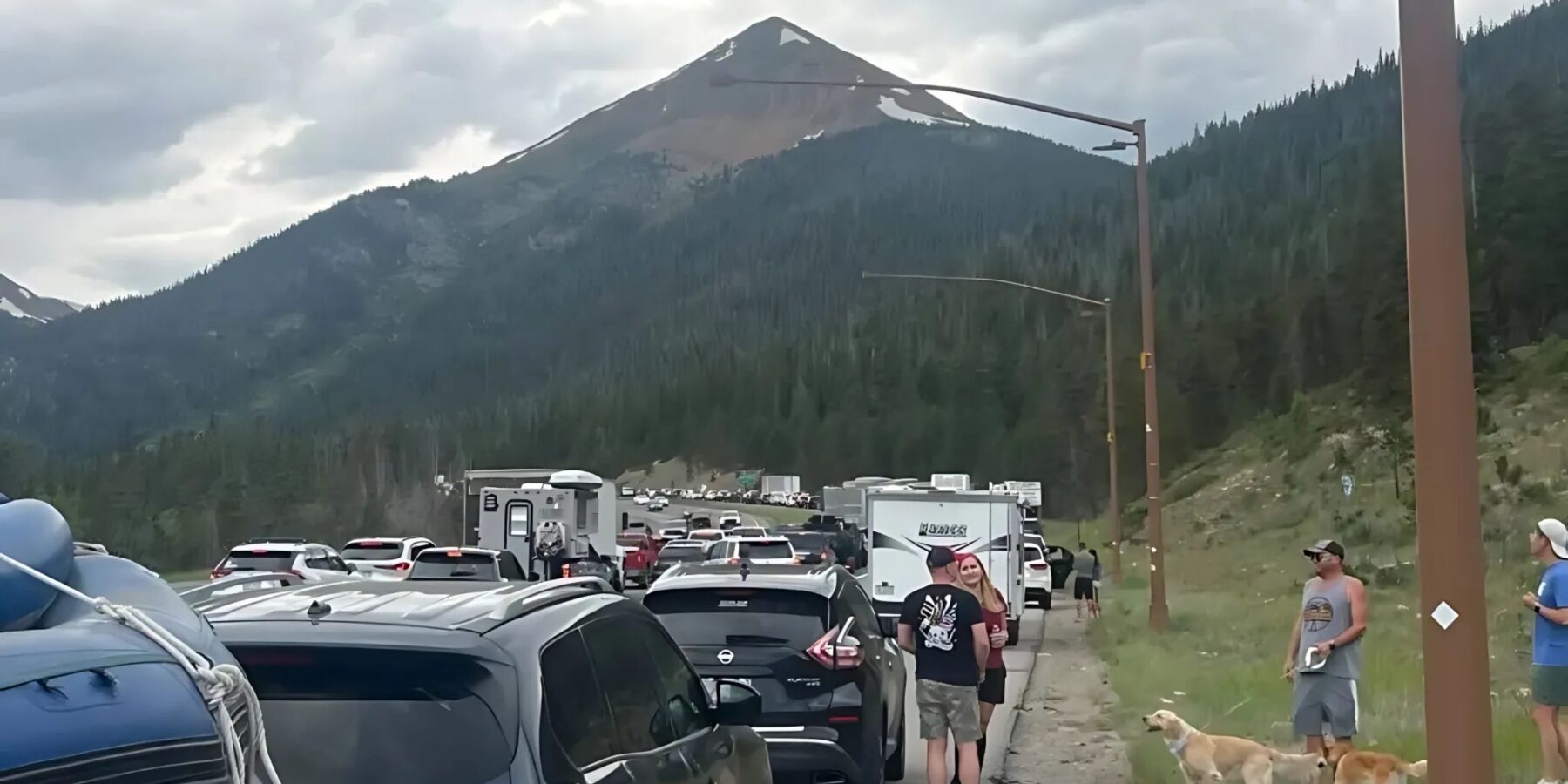
What to Know About the July 3 Denver Car Accident Near the Eisenhower Tunnel
A devastating Denver car accident on July 3, 2025, brought traffic to a standstill along Interstate 70 near the Eisenhower Tunnel, following a fiery multi-vehicle crash that shut down both directions of the highway. According to Colorado Public Radio, the collision triggered a vehicle fire, sending thick smoke into the mountain air and prompting emergency crews to close the I-70 corridor for hours as they worked to extinguish the blaze and tend to the injured. While authorities have not released the full list of those involved, early reports confirm multiple vehicles were damaged, and at least one person required emergency evacuation.
This incident underscores the dangers that drivers face along I-70, a critical but perilous stretch of Colorado highway that combines steep grades, high-speed traffic, and unpredictable mountain weather. For drivers and families impacted by the crash, the aftermath may involve more than just physical injuries. Medical bills, insurance delays, and questions of liability can quickly overwhelm victims trying to recover.
At the Law Office of Jordan S. Levine, we help car accident victims in Denver and across Colorado pursue justice after catastrophic highway crashes. If you or someone you love was injured in the July 3 Denver car accident, we are here to protect your rights and help you pursue the compensation you deserve. Call (303) 835-4910 or visit our contact page for a free consultation.
Details About the July 3 Denver Car Accident on I-70 Near the Eisenhower Tunnel
The July 3, 2025, Denver car accident occurred during peak travel hours along one of Colorado’s most treacherous mountain corridors. The crash involved multiple vehicles and led to a vehicle fire inside or near the Eisenhower–Johnson Memorial Tunnel, prompting officials to shut down I-70 in both directions for several hours. Emergency crews rushed to the scene, where they extinguished the blaze, cleared debris, and transported at least one injured person for emergency medical care.
Where the Crash Happened on I-70
The accident took place near the Eisenhower Tunnel, a critical section of Interstate 70 that sits at more than 11,000 feet in elevation. Located roughly an hour west of downtown Denver, this stretch of highway is known for sharp curves, steep descents, and heavy freight traffic. The tunnel acts as a gateway between Colorado’s Front Range and the Western Slope, making it one of the most congested and dangerous passages in the state.
Drivers approaching from either direction face dramatic elevation changes and limited shoulder space. According to the Colorado Department of Transportation (CDOT), weather, brake failures, and visibility issues frequently contribute to crashes near the tunnel, especially during holiday travel and heavy summer traffic.
What Caused the Crash on July 3
As of early reports from Colorado Public Radio, the exact cause of the Denver car accident remains under investigation. However, several key factors likely contributed to the severity of the incident. Authorities confirmed that a vehicle caught fire following the crash, triggering thick smoke within or near the tunnel and creating significant hazards for approaching traffic.
The combination of stop-and-go traffic, tight quarters inside the tunnel, and poor ventilation may have made the fire even more dangerous. While weather conditions on the day of the crash were relatively clear, the high elevation and narrow lanes often leave drivers with little margin for error. Investigators will likely examine whether speeding, brake failure, or driver distraction played a role.
How Emergency Crews Responded
First responders from Summit County, CDOT, and the Colorado State Patrol quickly converged on the scene to manage the fire and rescue trapped drivers. According to public reports, traffic was redirected through nearby exits and detours while hazmat teams and tow crews worked to remove damaged vehicles and contain fire-related contaminants.
The Colorado Division of Homeland Security and Emergency Management provides guidance on mountain corridor emergency coordination, highlighting how quickly conditions can deteriorate along I-70. Firefighters and paramedics had to work under extreme pressure to prevent further injuries and restore safety to one of the busiest roadways in the region.
Why Interstate 70 Near the Eisenhower Tunnel Is One of Colorado’s Most Dangerous Roads
The section of I-70 near the Eisenhower–Johnson Memorial Tunnel is widely regarded as one of the most hazardous stretches of highway in the state. Despite its scenic views and essential role in statewide travel, the area presents unique challenges for both passenger and commercial drivers. From steep mountain grades and unpredictable weather to congestion, vehicle fires, and mechanical failures, this corridor has earned a reputation for serious crashes and prolonged highway closures.
Multiple government agencies have issued safety warnings about the I-70 corridor, including the Colorado Department of Transportation (CDOT), the National Highway Traffic Safety Administration (NHTSA), and the Federal Motor Carrier Safety Administration (FMCSA). Understanding why this highway is so dangerous helps illustrate the complexity of the July 3 Denver car accident and underscores the urgent need for better safety protocols in Colorado’s mountain regions.
Steep Grades and Elevation Changes Affect Driver Control
Drivers traveling eastbound from the tunnel face one of the longest sustained downhill grades in the United States. The descent begins at over 11,000 feet above sea level and continues for nearly seven miles at an incline of six to seven percent. This puts extreme pressure on brakes, steering systems, and driver focus.
Brake Failure on the Eastbound Descent
The FMCSA requires that commercial drivers use low gear when descending steep grades, especially near high-altitude tunnels like Eisenhower. However, not all drivers follow proper brake management techniques, and brake fade is common in both passenger and freight vehicles. According to the Commercial Vehicle Safety Alliance (CVSA), thousands of trucks fail brake inspections each year during national road checks. When drivers lose control during these descents, they cannot stop in time to avoid traffic backups or collisions in the tunnel itself.
Limited Runaway Truck Ramps
CDOT has installed several runaway truck ramps along this stretch of I-70 to give out-of-control vehicles a chance to stop safely. One of the most critical ramps is located near mile marker 209. These ramps have saved lives, but drivers must recognize the need to use them before it is too late. The Colorado Mountain Rules program trains truckers on how to navigate these routes safely, but enforcement remains inconsistent, especially during high-traffic weekends and holidays.
Unpredictable Weather Conditions Create Visibility Hazards
While summer may seem like a safe time to drive in the Rockies, the elevation near the Eisenhower Tunnel frequently defies seasonal expectations. Sudden fog, hail, and even snow are possible throughout the year, complicating navigation and increasing the risk of chain-reaction collisions.
Sudden Storms and Temperature Drops
The National Weather Service warns that mountain corridors are subject to rapid weather shifts. A clear morning can quickly turn into a stormy afternoon, especially during the monsoon season. In July, lightning and hailstorms become more common, reducing visibility and traction. The National Weather Service Winter Driving Guide explains that road surface temperatures at high elevations can remain cold even when the air feels warm, leading to hidden slick spots and black ice.
Limited Lighting Inside the Tunnel
Although the Eisenhower Tunnel is equipped with interior lighting, the sudden change from bright daylight to an enclosed space can leave drivers temporarily disoriented. CDOT’s own research into tunnel safety notes that visibility transition zones are especially dangerous for out-of-town drivers who may not anticipate the shift. When combined with smoke or fire conditions, such as those reported during the July 3 crash, the risks increase dramatically.
Congestion and Holiday Traffic Complicate Safe Travel
The Eisenhower Tunnel sees some of its highest traffic volumes on holiday weekends, with July Fourth-ranked among the busiest travel periods. The corridor is used by vacationers, freight haulers, and daily commuters alike, making it one of the most crowded highways in the Rocky Mountain region.
Narrow Lanes and Minimal Shoulders
The design of the Eisenhower Tunnel and its approach roads leaves little room for error. CDOT’s infrastructure maps reveal that the tunnel’s eastbound bore contains two narrow lanes with minimal shoulder space. In the event of a crash or vehicle fire, drivers have nowhere to pull off safely. This makes it difficult for emergency responders to access the scene, especially when traffic is already backed up behind a disabled vehicle.
High-Speed Traffic and Inconsistent Enforcement
Despite posted speed limits, many drivers exceed safe speeds through the tunnel and on the descending grade. The Insurance Institute for Highway Safety has published data showing that even a small increase in speed leads to a substantial increase in crash severity. Law enforcement agencies like the Colorado State Patrol have limited resources to patrol the entire corridor during peak times, which allows reckless drivers to endanger others without immediate consequence.
Fatigue and Driver Error Are Common Causes of Tunnel Accidents
Driver fatigue remains one of the most underreported contributors to car and truck accidents on I-70. The Eisenhower Tunnel often serves as the final obstacle before reaching Denver from the Western Slope or Utah. Drivers who have already spent hours behind the wheel may be more susceptible to critical mistakes.
The Effects of Drowsy Driving on Reaction Time
According to the Centers for Disease Control and Prevention, driving after 18 to 24 hours without sleep is equivalent to driving with a blood alcohol content of 0.05 to 0.10 percent. The CDC’s drowsy driving fact sheet explains that fatigue impairs judgment, slows reflexes, and increases the likelihood of distraction. These risks multiply in mountain corridors where rapid braking and tight turns are often necessary.
Out-of-State and Inexperienced Drivers
Tourists and commercial drivers from out of state may be unfamiliar with the mountain driving protocols specific to Colorado. Without proper training or awareness, these individuals may fail to downshift appropriately, misjudge the distance between vehicles, or overcorrect during turns. The Colorado Travel Center and COtrip offer route planning tools and real-time updates, but not all drivers check conditions before making the journey through the tunnel.
Common Injuries Caused by Denver Car Accidents on I-70
Car accidents near the Eisenhower Tunnel often result in some of the most severe injuries seen on Colorado roads. The unique combination of steep grades, high speeds, fire risk, and multi-vehicle chain reactions means that victims frequently suffer long-term or permanent harm. Whether the crash involves tourists, commercial truck drivers, or everyday commuters, the injuries sustained in these high-altitude collisions are often life-altering.
At the Law Office of Jordan S. Levine, we help accident victims document their injuries, calculate the full scope of future care needs, and pursue the maximum compensation available under Colorado law. From head trauma to internal bleeding, the aftermath of a Denver car accident requires urgent medical attention and strong legal advocacy.
Traumatic Brain Injuries and Concussions Are Common After High-Speed Collisions
When vehicles crash at highway speeds, the human brain absorbs a tremendous amount of force. Victims often strike their heads on windows, dashboards, or airbags. Even if the skull does not fracture, the sudden jolt can cause the brain to collide with the inside of the skull, leading to traumatic brain injuries (TBIs).
Concussions and Cognitive Impairments
Concussions are the most common form of TBI and often present symptoms such as confusion, dizziness, nausea, headaches, and memory loss. According to the Centers for Disease Control and Prevention (CDC), concussions can cause long-term cognitive problems, especially if left untreated or if the individual suffers multiple head injuries. In mountain corridor accidents where airbags deploy and vehicle cabins compress during impact, concussion risk is significantly higher.
Severe TBIs and Brain Hemorrhaging
In more serious cases, crash victims may suffer skull fractures or internal brain bleeding. These injuries are often fatal if not treated immediately. Emergency surgery may be required to relieve intracranial pressure, and survivors may face lifelong impairments. The Mayo Clinic outlines the potential for TBIs to result in speech difficulties, emotional instability, and reduced motor control.
Neck, Back, and Spinal Cord Injuries Are Frequently Reported
The violent motion of a car crash along I-70’s descending grades often leads to whiplash, disc injuries, and spinal trauma. Victims who are rear-ended or struck at an angle commonly experience neck pain, stiffness, and nerve compression that may require months of rehabilitation.
Herniated Discs and Nerve Damage
When the force of the crash causes the vertebrae to compress, the cushioning discs in the spine can bulge or rupture. This may lead to radiating pain, numbness in the limbs, or weakness in grip and mobility. According to the Cleveland Clinic, herniated discs can require physical therapy, steroid injections, or spinal surgery to relieve pressure on the nerves.
Paralysis from Spinal Cord Trauma
In cases of extreme impact, particularly during rollover crashes or head-on collisions, victims may suffer damage to the spinal cord itself. This can result in partial or complete paralysis. The Christopher & Dana Reeve Foundation reports that spinal cord injuries often require lifelong assistive technology, mobility aids, and full-time caregiving.
Bone Fractures and Orthopedic Injuries Require Extensive Recovery
The force of a Denver car accident on I-70 can easily fracture bones in the arms, legs, ribs, and pelvis. These injuries are not only painful but can require multiple surgeries, extended hospital stays, and long-term physical therapy.
Arm, Wrist, and Shoulder Fractures
Victims instinctively brace for impact during a crash, often leading to broken wrists, dislocated shoulders, or fractured arms. These orthopedic injuries can limit a person’s ability to work, drive, or care for themselves. The American Academy of Orthopaedic Surgeons (AAOS) recommends that crash victims with upper body trauma undergo X-rays and follow up with orthopedic specialists to prevent permanent loss of function.
Femur and Pelvic Breaks
In frontal-impact collisions, the dashboard often collapses inward, striking the lower extremities. This can lead to femur fractures or pelvic breaks, both of which require internal fixation with plates or screws. Recovery from these injuries may take six months or more and often involves the use of mobility aids. According to Johns Hopkins Medicine, pelvic trauma is one of the most serious orthopedic emergencies and requires coordinated care across multiple specialties.
Internal Injuries Are Often Life-Threatening but Not Immediately Visible
Some of the most dangerous injuries suffered in a car crash are internal and may not show symptoms for hours. Seat belts, airbag impact, and crushed vehicle cabins can all contribute to blunt abdominal trauma that requires emergency surgery.
Organ Ruptures and Internal Bleeding
Crashes involving sudden deceleration or vehicle compression can cause organs like the liver, spleen, or kidneys to rupture. These injuries may produce only vague symptoms like dizziness, nausea, or abdominal pain in the early stages. The National Library of Medicine stresses that delayed diagnosis can lead to death from internal hemorrhage. Immediate imaging and surgical intervention are often required.
Chest Injuries and Collapsed Lungs
When the chest strikes the steering wheel or is compressed by a seat belt, the ribs may fracture and puncture the lungs. This can result in a condition known as pneumothorax, or collapsed lung. The American Lung Association notes that victims may need chest tube placement and hospitalization to stabilize breathing.
Psychological and Emotional Injuries Often Persist Long After Physical Recovery
Survivors of serious Denver car accidents may face not only physical trauma but also deep psychological scars. Anxiety, depression, and post-traumatic stress disorder (PTSD) are common in crash victims, particularly those who suffered catastrophic injuries or witnessed a fatality.
Post-Traumatic Stress Disorder After a Violent Collision
PTSD can develop in victims who experience flashbacks, nightmares, or fear of driving after a serious crash. According to the American Psychological Association, symptoms may appear weeks after the accident and often interfere with daily life, relationships, and employment. Treatment typically includes therapy, medication, and support groups.
Depression and Loss of Enjoyment of Life
Victims who suffer permanent disabilities, chronic pain, or disfigurement frequently experience depression. Loss of independence and social isolation are significant challenges during recovery. These emotional injuries are compensable under Colorado law, especially when they result in missed work, therapy expenses, or the inability to engage in formerly enjoyed activities.
Who Can Be Held Liable After a Denver Car Accident Near the Eisenhower Tunnel
Determining liability after a car accident near the Eisenhower Tunnel on I-70 can be far more complex than in a typical city crash. This stretch of highway presents unique environmental and structural risks, and many accidents involve multiple vehicles, commercial trucks, or mechanical failures. Identifying all responsible parties is essential to recovering full compensation for medical expenses, lost wages, and other damages.
At the Law Office of Jordan S. Levine, we conduct detailed investigations into mountain corridor crashes to determine who is at fault and which insurance policies apply. From reckless drivers to negligent trucking companies, several parties may be held accountable after a Denver car accident on I-70.
The At-Fault Driver Often Bears Primary Responsibility
In most car accident claims, the driver who caused the collision is considered the liable party. Under Colorado law, drivers must operate their vehicles with reasonable care. When someone speeds, tailgates, fails to yield, or drives while distracted, they breach that duty.
Traffic Violations and Reckless Behavior
Drivers who violate posted speed limits on steep grades or ignore traffic warnings inside the Eisenhower Tunnel may be held civilly liable for resulting crashes. The Colorado Revised Statutes outline specific rules for safe operation, including obligations to maintain a safe following distance and adjust speed based on conditions. A traffic citation issued after the accident can serve as key evidence in proving negligence.
Distracted and Drowsy Driving
Distracted driving is a leading cause of crashes in mountain regions. According to the National Highway Traffic Safety Administration (NHTSA), taking your eyes off the road for five seconds at 60 miles per hour is like driving the length of a football field blindfolded. On steep grades where seconds matter, this can lead to deadly consequences. Drowsy drivers, particularly those returning from long road trips, are also frequently cited in accidents near the Eisenhower Tunnel. The Centers for Disease Control and Prevention (CDC) classifies fatigue-related impairment as just as dangerous as alcohol intoxication.
Commercial Trucking Companies May Also Be Liable
When a commercial truck is involved in a collision, liability may extend beyond the driver to the company that owns or operates the vehicle. Under the legal principle of respondeat superior, employers are responsible for the negligent actions of their employees when performed within the scope of their job duties.
Negligent Hiring or Training Practices
Trucking companies are required by the Federal Motor Carrier Safety Administration (FMCSA) to properly train and screen their drivers. If a crash investigation reveals that a driver had a poor safety record, insufficient training, or lacked familiarity with mountain driving, the carrier may be held directly responsible. The FMCSA’s Driver Qualification File requirements outline the documents trucking companies must keep for every driver.
Equipment Maintenance Failures
Federal law also requires carriers to maintain their vehicles in a safe working condition. Brake failures, tire blowouts, and steering issues are common causes of truck accidents in high-altitude corridors. The FMCSA’s Brake Safety Week inspection results consistently show that thousands of trucks are taken out of service each year for mechanical defects. If poor maintenance contributed to the July 3 crash, the trucking company or its maintenance provider may be liable.
Government Agencies May Share Fault for Unsafe Road Conditions
Liability may also extend to state or local agencies responsible for maintaining the highway. CDOT is charged with ensuring that roadways are safe, properly signed, and well-maintained throughout the year. If poor road design or delayed response to hazards contributed to a crash, the state may be sued under the Colorado Governmental Immunity Act.
Inadequate Signage or Lane Markings
Mountain corridors require clear signage to warn drivers about grades, curves, chain laws, and runaway truck ramps. If signs were missing, faded, or placed in confusing positions, liability may fall on CDOT. The Manual on Uniform Traffic Control Devices (MUTCD) sets national standards for signage and visibility that Colorado agencies are required to follow.
Delayed Snow and Ice Removal
Although the July 3 crash occurred in summer, many I-70 collisions involve winter conditions. Failure to treat the road or close the tunnel during severe weather can lead to pileups. The Federal Highway Administration (FHWA) has issued guidance on how states should prepare for and respond to weather hazards on high-risk roads.
Manufacturers May Be Liable for Vehicle Defects
Sometimes, a crash is caused not by driver error, but by a defective auto part such as a malfunctioning brake, tire, or airbag. In these cases, the manufacturer of the defective component may be held strictly liable. The National Highway Traffic Safety Administration Recall Database allows consumers and attorneys to search for known safety issues linked to specific vehicles and parts.
Brake and Tire Failures on Steep Grades
On the steep descent east of the Eisenhower Tunnel, brake failure can be catastrophic. If a recent vehicle recall involved the brakes or tires on a car involved in the crash, that defect may be the root cause. Under Colorado product liability law, victims do not need to prove negligence, only that the product was defective and caused the accident.
Get Legal Help After a Denver Car Accident on I-70
If you or someone you love was injured in the July 3 Denver car accident near the Eisenhower Tunnel, you do not have to face the aftermath alone. These mountain corridor crashes are complex, devastating, and often life-changing. From navigating insurance disputes to holding negligent parties accountable, your path to recovery starts with the right legal team.
At the Law Office of Jordan S. Levine, we fight for car accident victims across Colorado, including those injured on I-70, I-25, and throughout the Denver metro area. Our team understands the unique dangers posed by Colorado’s high-altitude highways and has the experience to investigate tunnel crashes, identify all sources of liability, and pursue maximum compensation for your injuries.
Your consultation is free, and you will never pay upfront legal fees. We only get paid if we win your case.
Call us today at (303) 835-4910 or reach out through our secure online contact form. The sooner you contact us, the sooner we can begin protecting your rights.
Let us help you move forward after a devastating Denver car accident.
Contact usfor a free consultation.
Phone: (303) 951-4810