
The Colorado Springs police department updated its status to be on Accident Alert late last week after snow fell for several hours throughout the city, according to KKTV. The winter storm started on Thursday and continued into the weekend, causing traffic slowdowns throughout the I-25 corridor. Police activate an Accident Alert status when a police station anticipates receiving a high volume of inclement weather-related accidents and is unable to respond to all of them. Under this status, police only respond if the damage from the accident is so significant one or both vehicles are undriveable; if the accident involved death or bodily injury; if a hit-and-run was involved; if drugs and alcohol are suspected; or if there is damage to public property.
This Colorado Springs car crash alert highlights how dangerous winter driving conditions can quickly become, especially when snow and ice overwhelm already busy roadways. When collisions occur during severe weather, drivers and passengers may face serious injuries, vehicle damage, and unanswered questions, especially when police resources are limited.The aftermath of a weather-related crash can be stressful and confusing, especially for those dealing with medical treatment, insurance disputes, or uncertainty about their legal options. In these situations, legal guidance can help injured individuals understand their rights and determine whether negligence or unsafe driving contributed to the crash. At Levine Law, we understand the multi-pronged challenges families face after a Colorado Springs car crash and work to help clients pursue accountability and compensation for their losses. If you’ve been involved in a winter weather-related accident, call us immediately at (303) 951-4810.
Get Expert Legal Help for Your Colorado Springs Car Crash Claim
A Colorado Springs car crash can leave victims facing painful injuries, mounting expenses, and uncertainty about what steps to take next. At Levine Law, we understand how overwhelming this experience can feel, especially when an accident happens during hazardous weather or under Accident Alert conditions. We work closely with our clients to review the details of the crash, explain how Colorado law applies, and help them understand their legal rights and options. Our goal is to provide clear guidance and steady support during a stressful and disruptive time.
We also recognize that every crash affects people differently, which is why we take a personalized approach to each case we handle. At Levine Law, we gather and review evidence, communicate with insurance companies, and evaluate the full impact of injuries on our clients’ lives. We carefully consider medical treatment needs, time away from work, and how injuries may affect daily activities moving forward. Our team works to anticipate challenges that may arise during the claims process and address them proactively. We focus on protecting our clients’ interests while pursuing outcomes that reflect both current losses and future needs. With experienced legal support, individuals injured in a Colorado Springs car crash can feel more confident navigating the claims process while focusing on recovery.
What to Do After a Colorado Springs Car Crash Caused by Bad Weather
A Colorado Springs car crash caused by bad weather can leave drivers feeling shaken, disoriented, and unsure of what steps to take next. Snow, ice, and reduced visibility often contribute to sudden collisions that occur despite cautious driving. Taking the right actions after a weather-related crash helps protect personal safety, preserve important information, and reduce complications later. Understanding how to respond allows drivers to regain control during an otherwise unpredictable situation.
Prioritize Safety and Assess the Scene
After a weather-related crash, personal safety should remain the top priority. Drivers should check for injuries and move to a safer location if conditions allow. Activating hazard lights helps alert approaching vehicles, especially during poor visibility. Remaining aware of surrounding traffic reduces the risk of secondary collisions.
Knowing When to Stay Put Versus Move Vehicles
In snowy or icy conditions, moving vehicles may not always be safe or possible. Drivers should only move vehicles when it is safe and legally permitted. If vehicles cannot be moved, staying inside with seatbelts fastened may reduce risk. Understanding when to remain stationary helps prevent additional harm.
Seek Medical Attention Even If Injuries Seem Minor
Cold weather crashes can cause injuries that are not immediately noticeable. Adrenaline and shock may mask pain or symptoms at the scene. Seeking medical evaluation helps identify issues early and creates important documentation. Prompt care supports both recovery and accurate record-keeping.
Documenting Symptoms That Appear Later
Some injuries develop hours or days after a crash. Keeping notes about pain, stiffness, or other symptoms helps track changes. Medical follow-ups support proper treatment and documentation. Consistent records help connect injuries to the crash.
Report the Crash and Follow Local Guidelines
Weather-related crashes should be reported according to local requirements. During accident alert status, police may not respond to every crash. Drivers may need to file reports online or exchange information independently. Following reporting guidelines helps ensure the incident is properly documented.
Understanding Accident Alert Procedures
Accident alert status changes how police respond to crashes. Drivers should know when officers will not come to the scene. Filing required reports within the appropriate timeframe remains important. Awareness of these procedures helps avoid confusion.
Document Conditions and Gather Evidence
Weather conditions play a significant role in these crashes. Photographing road conditions, vehicle damage, and surrounding areas helps preserve context. Collecting witness information may provide additional perspectives. This documentation supports clarity later.
Capturing Weather and Roadway Details
Snow accumulation, ice patches, and visibility conditions can change quickly. Photographs help capture conditions as they appeared at the time. Recording weather details strengthens understanding of how the crash occurred. Early documentation reduces reliance on memory alone.
Exchange Information Carefully With Other Drivers
Exchanging information remains necessary even in bad weather. Drivers should share contact, insurance, and vehicle details accurately. Conversations should remain factual and limited. Avoiding speculation helps prevent misunderstandings.
Avoiding Admissions or Assumptions at the Scene
Weather-related crashes often involve shared risk factors. Making statements about fault may complicate later evaluations. Sticking to basic information protects all parties. Allowing investigations to determine responsibility supports fairness.
Notify Insurance and Keep Organized Records
Insurance companies should be notified promptly after a crash. Providing accurate information helps start the claims process. Keeping organized records of communications, expenses, and repairs supports consistency. Organization reduces stress during recovery.
Tracking Expenses and Communications
Weather-related crashes may lead to unexpected costs. Tracking towing, repairs, and medical bills helps maintain clarity. Saving emails and notes from insurance conversations prevents confusion. Organized records support smoother claim handling.
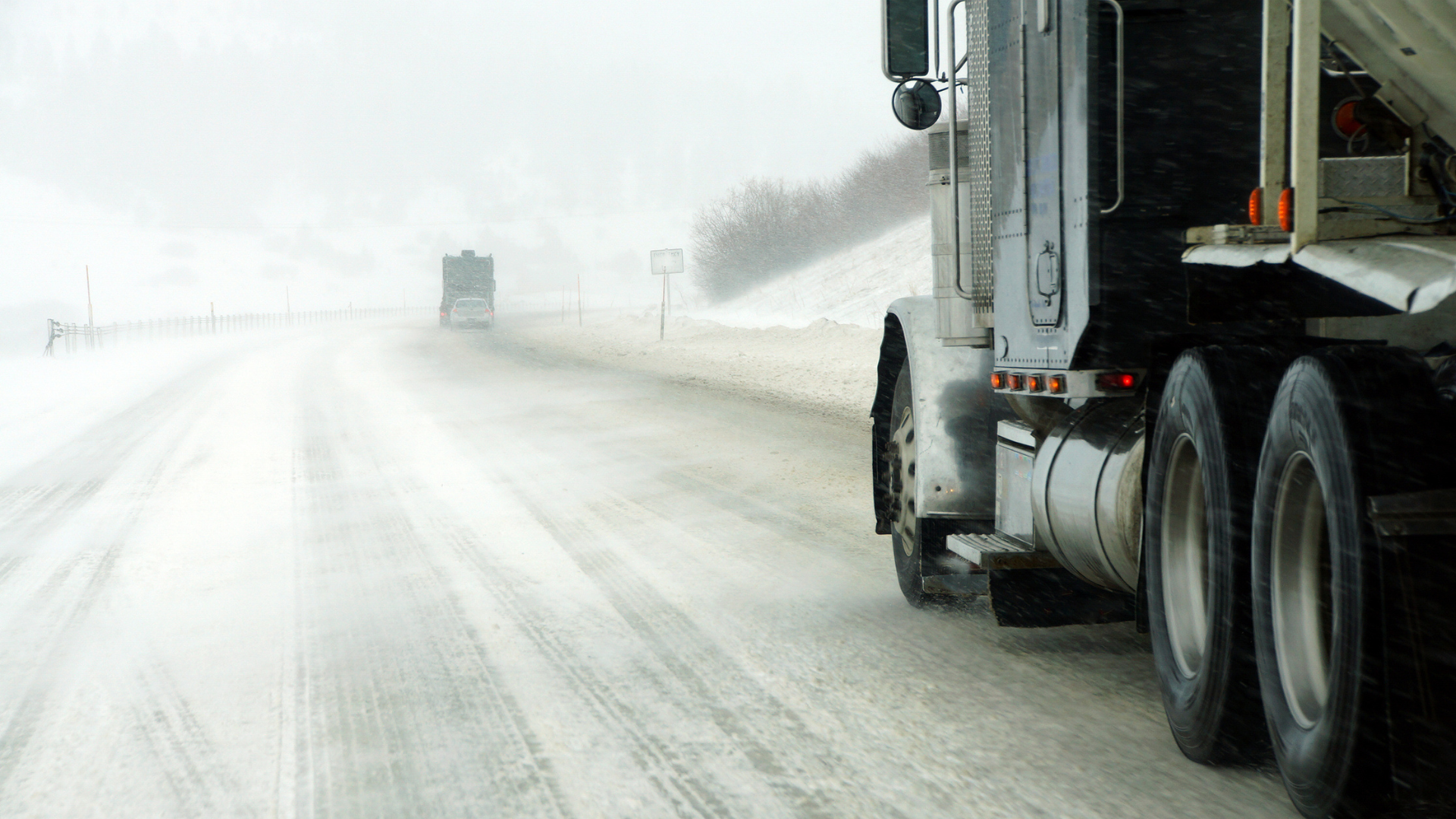
How Winter Weather Increases the Risk of a Colorado Springs Car Crash
Winter weather significantly increases the risk of a Colorado Springs car crash by creating hazardous driving conditions that challenge even cautious motorists. Snow, ice, and rapidly changing temperatures can reduce traction, visibility, and reaction time across major roadways and residential streets. These conditions often combine with traffic congestion and driver misjudgment, increasing the likelihood of collisions. Understanding how winter weather contributes to crashes helps drivers recognize risks and take more informed precautions.
Reduced Traction on Snow- and Ice-Covered Roads
Snow and ice dramatically reduce tire traction, making it harder for vehicles to accelerate, steer, or stop safely. Even treated roads may remain slick due to refreezing or compacted snow. Drivers often underestimate how much stopping distance increases under these conditions. Reduced traction is a leading contributor to winter-related crashes.
Increased Stopping Distances in Cold Conditions
Cold temperatures harden tires and reduce grip on the roadway. Vehicles require significantly more distance to come to a complete stop on icy surfaces. Sudden braking often leads to skidding or loss of control. Understanding stopping limitations helps explain why rear-end collisions increase during winter weather.
Limited Visibility From Snowfall and Road Spray
Winter storms frequently reduce visibility due to falling snow, blowing wind, and spray from other vehicles. Frosted windshields and fogged windows can further limit a driver’s field of vision. When visibility drops, drivers have less time to react to hazards ahead. These factors raise the risk of sudden and severe crashes.
Difficulty Seeing Traffic Signals and Road Markings
Snow accumulation can obscure lane markings, signs, and traffic signals. Drivers may struggle to identify lanes or anticipate intersections. Poor visibility increases the chance of improper lane changes or missed signals. These conditions contribute to confusion and collision risk.
Black Ice and Rapidly Changing Road Conditions
Black ice presents one of the most dangerous winter driving hazards in Colorado Springs. This thin, nearly invisible layer of ice often forms on bridges, overpasses, and shaded areas. Drivers may not realize they are on ice until control is already lost. Sudden loss of traction frequently leads to spin-outs or multi-vehicle crashes.
Why Bridges and Overpasses Freeze First
Bridges and overpasses are exposed to cold air above and below the roadway. This exposure causes faster freezing compared to surrounding pavement. Drivers may encounter ice unexpectedly while traveling at normal speeds. Awareness of these locations helps explain frequent winter crashes in these areas.
Slower Reaction Times and Driver Fatigue
Winter driving requires constant vigilance, which can lead to fatigue and slower reaction times. Navigating slick roads, reduced visibility, and heavy traffic increases mental strain. Fatigued drivers may respond more slowly to sudden stops or hazards. This delay can turn a minor incident into a serious crash.
Stress and Cognitive Overload During Winter Driving
Stress levels often rise during winter storms due to hazardous conditions and travel delays. Drivers may feel pressure to maintain speed or reach destinations quickly. Cognitive overload reduces decision-making quality. These factors increase the likelihood of errors that lead to crashes.
Increased Traffic and Collision Frequency During Storms
Winter storms often coincide with traffic slowdowns, accidents, and road closures. Congestion increases as drivers reduce speed or reroute. Higher traffic density combined with poor conditions raises collision risk. Even minor mistakes can cause chain-reaction crashes.
Chain-Reaction Crashes on Busy Winter Roadways
Sudden stops on icy roads often lead to multiple vehicles colliding in sequence. Drivers following too closely may be unable to stop in time. Chain-reaction crashes are especially common on highways and major corridors. Understanding this pattern explains why winter storms produce multi-vehicle accidents.
Determining Fault After a Colorado Springs Car Crash Involving Bad Weather
Determining fault after a Colorado Springs car crash involving bad weather can be more complex than many drivers expect. While snow, ice, and poor visibility contribute to hazardous conditions, weather alone does not automatically excuse negligent driving. Investigators still evaluate how each driver responded to those conditions and whether reasonable care was exercised. Understanding how fault is determined helps drivers better grasp why liability may still apply in weather-related crashes.
Weather Conditions Do Not Automatically Eliminate Driver Responsibility
Bad weather creates dangerous conditions, yet drivers remain responsible for adjusting their behavior accordingly. Speed, following distance, and attentiveness must reflect road and visibility conditions. Drivers who fail to slow down or maintain control may still be found at fault despite snow or ice. This principle plays a key role in Colorado Springs weather-related crash evaluations.
Reasonable Care Standards in Poor Weather
Colorado law generally expects drivers to exercise reasonable care under existing conditions. Reasonable care includes slowing down, increasing following distance, and remaining alert. Investigators assess whether a driver’s actions matched these expectations. Failure to adapt driving behavior may support a finding of fault.
Evaluating Driver Actions Leading Up to the Crash
Investigators closely examine what each driver was doing immediately before the collision. This evaluation may include speed, braking behavior, lane positioning, and reaction time. Even minor errors can have serious consequences in winter conditions. Reviewing these actions helps clarify how the crash unfolded.
Importance of Speed and Following Distance
Speed that may be acceptable in clear weather can become unsafe on snow-covered roads. Following too closely reduces reaction time when stopping distances increase. Investigators often focus on these factors when assessing fault. These behaviors frequently contribute to rear-end and chain-reaction collisions.
Role of Evidence in Weather-Related Fault Determinations
Evidence plays a critical role in determining fault after a weather-related crash. Photographs, vehicle damage, witness statements, and roadway conditions help establish what occurred. Weather data may also support timing and condition assessments. Strong evidence helps distinguish unavoidable accidents from negligent conduct.
Using Road and Weather Data in Investigations
Investigators may review weather reports, road treatment records, and temperature data. These details help confirm whether conditions were icy or deteriorating. This information supports context but does not replace driver responsibility analysis. Combined evidence provides a clearer picture of fault.
Shared Fault in Winter Weather Collisions
In some cases, multiple drivers may share responsibility for a crash. One driver’s sudden stop combined with another driver’s failure to maintain distance may both contribute. Shared fault assessments are common in winter collisions. Understanding this concept helps explain why liability may be divided.
How Comparative Fault Can Affect Claims
When fault is shared, compensation may be adjusted based on each party’s contribution. Investigators and insurers evaluate percentages of responsibility. These determinations influence claim outcomes. Awareness of comparative fault helps set realistic expectations.
How Police Accident Alert Status Affects a Colorado Springs Car Crash Claim
Police Accident Alert status can significantly affect how a Colorado Springs car crash claim is documented and processed. During Accident Alert, police limit on-scene responses due to high call volume, often caused by severe weather. This change shifts more responsibility onto drivers to document crashes properly. Understanding how Accident Alert status works helps drivers avoid complications later.
Limited Police Response During Accident Alert
When Accident Alert is active, police typically respond only to crashes involving injuries, fatalities, impaired driving, hit-and-runs, or undriveable vehicles. Many weather-related crashes do not meet these criteria. Drivers may be instructed to exchange information and leave the scene. This limitation affects how official records are created.
When Police Will Still Respond to the Scene
Police continue responding when safety concerns are present. Serious injuries, blocked roadways, or suspected criminal behavior require officer involvement. Understanding these exceptions helps drivers know when to request assistance. Clear criteria guide response decisions.
Increased Importance of Driver Documentation
Without an on-scene police report, driver-provided documentation becomes essential. Photographs, notes, and witness information help fill gaps left by limited police involvement. Accurate documentation supports insurance claims and fault evaluations. Drivers who fail to document may face challenges later.
What Information Drivers Should Collect
Drivers should gather contact details, insurance information, and vehicle descriptions. Photos of damage, roadway conditions, and vehicle positions provide context. Witness statements may offer additional clarity. Thorough documentation helps preserve critical details.
Filing Online or Delayed Police Reports
During Accident Alert, drivers may be required to file reports online or after leaving the scene. These reports still serve as official records when completed correctly. Timely filing helps ensure compliance with local requirements. Delayed reporting may complicate claims.
Importance of Timely and Accurate Reporting
Deadlines often apply to accident reporting, even during Accident Alert. Accurate information helps avoid discrepancies later. Incomplete reports may weaken claim credibility. Timely compliance supports smoother claim handling.
How Accident Alert Status Can Affect Insurance Claims
Insurance companies rely heavily on documentation when police reports are limited. Adjusters may scrutinize driver-provided evidence more closely. Clear, consistent records help support claims under these conditions. Accident Alert status does not reduce the need for thorough evaluation.
Avoiding Common Claim Challenges During Accident Alert
Missing information or inconsistent statements can create disputes. Drivers should remain factual and organized when communicating with insurers. Careful documentation reduces misunderstandings. Preparation helps protect claims during Accident Alert periods.
What a Personal Injury Attorney in Colorado Springs Does to Assist Clients
A personal injury attorney in Colorado Springs provides critical guidance to individuals facing physical, emotional, and financial challenges after an accident. Victims often feel uncertain about their rights, timelines, and responsibilities while trying to recover. With support from a personal injury attorney in Colorado Springs, clients gain clarity about the legal process and available options. This guidance allows injured individuals to make informed decisions while focusing on healing and stability.
Evaluating the Case and Explaining Legal Options
A personal injury attorney begins by evaluating how the accident occurred and how it affected the client’s life. This review includes examining reports, medical records, and available evidence. Clear explanations help clients understand how Colorado laws apply to their situation. As a result, clients can approach their case with realistic expectations and confidence.
Identifying Potentially Responsible Parties
Determining responsibility often requires careful analysis of accident circumstances. A personal injury attorney reviews whether negligence, unsafe conditions, or violations contributed to the incident. This process may reveal multiple responsible parties. Identifying all sources of liability strengthens the overall claim.
Managing Communication With Insurance Companies
Insurance companies often contact victims quickly after an accident. A personal injury attorney in Colorado Springs handles these communications to protect the client’s interests. This approach helps prevent misstatements that could affect a claim. Clients benefit from having a knowledgeable advocate managing discussions.
Preventing Undervaluation of Claims
Insurers may attempt to minimize payouts by questioning injuries or treatment needs. A personal injury attorney counters these tactics by presenting thorough documentation. This advocacy helps ensure claims reflect the true extent of losses. Accurate valuation supports fair resolution efforts.
Gathering and Organizing Supporting Evidence
Strong claims rely on detailed and organized evidence. A personal injury attorney collects medical records, accident reports, and witness statements. This preparation creates a clear picture of how the accident caused harm. Organized evidence improves the effectiveness of negotiations or litigation.
Preserving Time-Sensitive Information
Certain evidence may become unavailable as time passes. A personal injury attorney takes steps to preserve records and documentation early. This proactive approach reduces the risk of missing critical details. Early preservation supports long-term claim strength.
Calculating Damages and Long-Term Impacts
Accidents often create consequences beyond immediate medical bills. A personal injury attorney evaluates lost income, future treatment needs, and daily limitations. This assessment helps capture the full scope of damages. Comprehensive evaluation supports informed decision-making.
Accounting for Future Medical and Financial Needs
Some injuries require ongoing care or lifestyle adjustments. A personal injury attorney considers how these needs affect long-term stability. This planning includes anticipated medical costs and reduced earning capacity. Addressing future impacts helps avoid undervaluing a claim.

Guiding Clients Through Resolution Decisions
Every case involves choices about settlement or litigation. A personal injury attorney explains potential outcomes and associated risks. This guidance allows clients to choose paths aligned with their goals. Clear explanations reduce uncertainty during critical decisions.
Supporting Confident and Informed Choices
Legal decisions can feel intimidating for injured individuals. A personal injury attorney provides steady guidance throughout the process. This support helps clients weigh options carefully. Confidence grows when clients understand each step and its implications.
Reviewing Medical Treatment and Injury Documentation
A personal injury attorney in Colorado Springs carefully reviews medical treatment records to understand the full scope of a client’s injuries. This review helps connect the accident to the treatment received and the symptoms experienced over time. Accurate medical documentation supports both the seriousness of the injuries and the need for continued care. Thorough review ensures that no aspect of treatment is overlooked during claim evaluation.
Understanding How Medical Records Support a Claim
Medical records provide objective evidence of injury severity and progression. These records help establish when symptoms began and how they have affected daily functioning. Consistent documentation strengthens credibility during insurance evaluations. Understanding this connection allows claims to reflect the true impact of injuries.
Explaining Timelines, Deadlines, and Legal Requirements
Legal claims involve strict timelines that can significantly affect a case’s outcome. A personal injury attorney in Colorado Springs explains these deadlines clearly so clients understand what actions must occur and when. This guidance helps prevent unnecessary delays or procedural mistakes. Clear communication about timelines supports smoother case progression.
Helping Clients Avoid Missed Filing Deadlines
Missed deadlines can limit or eliminate legal options. A personal injury attorney tracks critical filing requirements and court deadlines carefully. This oversight ensures that claims remain valid and properly filed. Staying organized helps protect clients’ rights throughout the process.
Coordinating With Medical Providers and Specialists
Ongoing medical care often plays an important role in personal injury cases. A personal injury attorney may coordinate with medical providers to obtain updated records and treatment summaries. This coordination helps ensure documentation remains accurate and complete. Clear communication with providers supports consistent record-keeping.
Ensuring Accurate Documentation of Ongoing Care
Ongoing treatment may evolve as recovery progresses. Updated documentation helps reflect changes in condition or treatment needs. Accurate records support evaluations of future care requirements. This attention to detail helps maintain claim strength over time.
Addressing Client Questions and Ongoing Concerns
Clients often have questions as their case develops and circumstances change. A personal injury attorney in Colorado Springs remains available to address concerns and explain developments. Regular communication helps clients feel informed rather than uncertain. This support reduces stress during an already challenging time.
Providing Regular Updates Throughout the Legal Process
Consistent updates help clients understand where their case stands. A personal injury attorney explains progress, next steps, and potential challenges clearly. This transparency builds trust and confidence. Knowing what to expect allows clients to plan accordingly.
Preparing Clients for Insurance Examinations or Statements
Insurance companies may request statements or evaluations during the claims process. A personal injury attorney helps clients understand what these requests involve. Preparation reduces anxiety and helps clients respond accurately. Guidance ensures interactions remain focused and appropriate.
Helping Clients Understand What to Expect During Evaluations
Insurance examinations may feel intimidating without preparation. A personal injury attorney explains the purpose and structure of these evaluations. Understanding expectations helps clients feel more confident. Proper preparation supports fair and accurate assessments.
Contact an Experienced Colorado Car Crash Lawyer for Your Claim
Facing the aftermath of a serious collision can feel overwhelming, especially when injuries, medical bills, and insurance questions begin to pile up. At Levine Law, we work closely with individuals and families across Colorado to help them understand their rights and legal options after a car crash. We take the time to listen to our clients’ concerns, review the details of the accident, and explain what to expect throughout the claims process. We also help clients understand how insurance coverage, liability issues, and medical documentation may affect their claim. Our focus is on providing clarity, reassurance, and strong advocacy during a difficult time so our clients can feel supported and informed at every stage.
If you or someone you love was injured in a Colorado car crash, we are here to help you move forward with confidence. At Levine Law, we’re committed to protecting our clients’ interests and pursuing compensation that reflects the full impact of their injuries, financial losses, and long-term challenges. We understand how disruptive a serious crash can be, and we work to shoulder the legal burden so our clients can focus on recovery. Our team provides clear communication, thoughtful guidance, and dedicated advocacy throughout the process. Contact us today at (303) 951-4810 or reach out online to discuss your situation and learn how we can help by calling our office or filling out our online form to schedule a consultation.
Contact usfor a free consultation.
Phone: (303) 951-4810