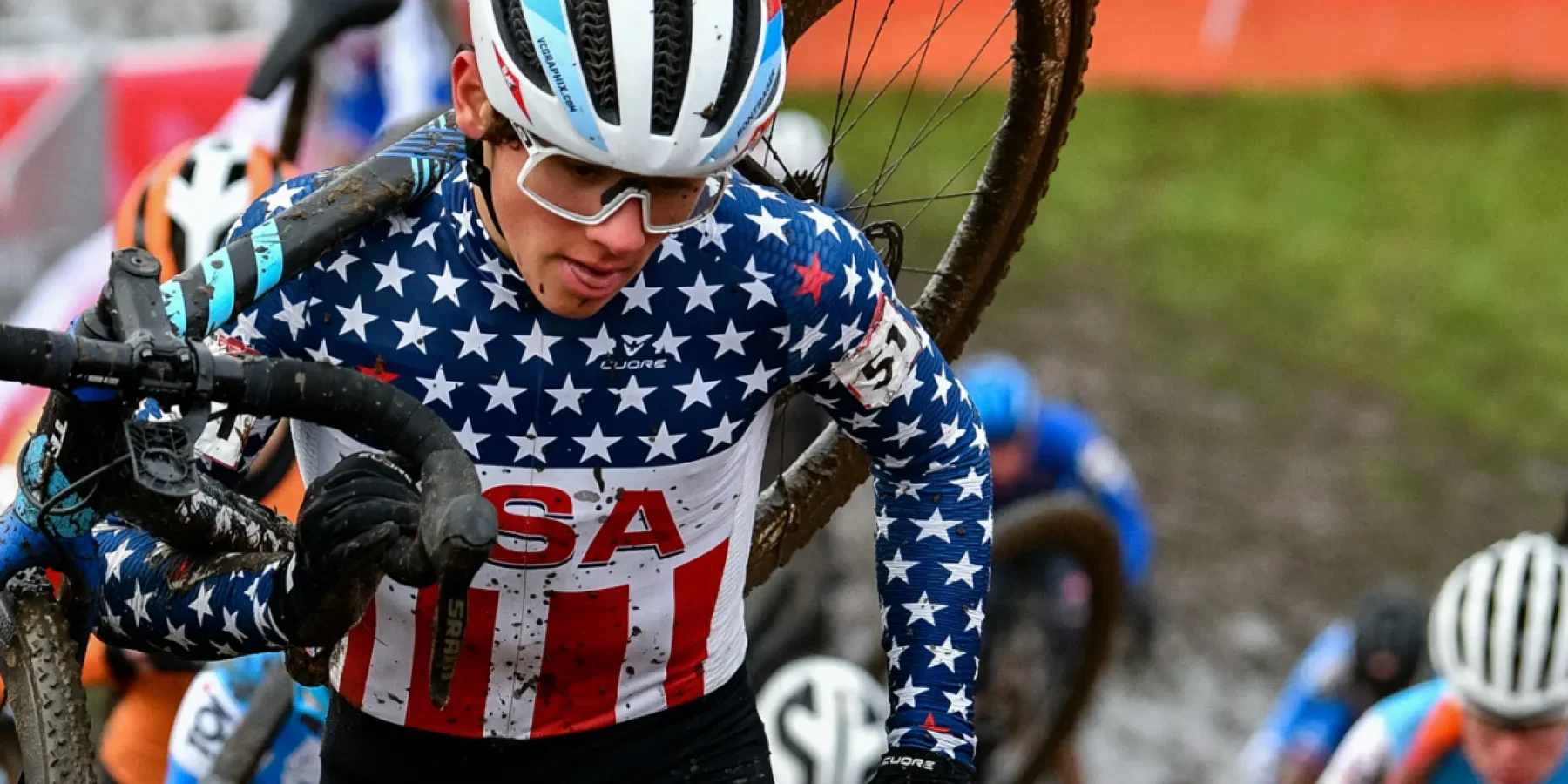
Colorado lawmakers have advanced legislation this week named in honor of a Boulder teenager who was killed in a bicycle crash in 2023 by a suspected drunk driver who allegedly fell asleep behind the wheel and was never charged with DUI despite admitting to drinking just hours prior the fatal crash, according to The Gazette. The measure seeks to address safety concerns surrounding vulnerable road users and strengthen accountability for drivers involved in serious crashes, requiring law enforcement to offer drivers involved in fatal accidents a voluntary breathalyzer test. The proposed bill reflects ongoing discussions about how state laws can better protect cyclists and pedestrians sharing Colorado roadways with motor vehicles.
Serious bicycle crashes highlight the risks cyclists face when sharing busy roads with motor vehicles. Even when riders follow traffic laws and use designated bike lanes, collisions with cars or trucks can lead to devastating injuries and long-term consequences. Victims of a Boulder bicycle accident may suddenly find themselves dealing with emergency medical treatment, financial strain, and uncertainty about their legal options. At Levine Law, we understand the challenges injured cyclists and their families face after serious crashes, and we work to pursue accountability while advocating for safer roads throughout Colorado. If you or a loved one has been injured in a bicycle collision, call us today at (303) 951-4810 to discuss your case.
Why Legal Representation Matters After a Boulder Bicycle Accident
At Levine Law, we understand that a Boulder bicycle accident can leave injured cyclists facing complicated legal and financial questions while they focus on recovery. Bicycle crashes often result in severe injuries because riders have very little protection against the force of a motor vehicle impact. Medical treatment, rehabilitation costs, and time away from work can quickly create overwhelming financial pressure for victims and their families. At the same time, insurance companies may begin evaluating the claim immediately and may attempt to minimize liability or dispute the extent of injuries. Having experienced legal representation can help ensure that victims understand their rights and pursue fair compensation under Colorado law.
At Levine Law, we take a proactive approach to investigating bicycle accident cases and protecting the interests of injured cyclists. Our team carefully reviews accident reports, examines roadway conditions, and gathers witness statements to determine exactly how the collision occurred. We also work with medical professionals and accident reconstruction experts when necessary to understand the full impact of the injuries involved. By building strong, evidence-based claims, we help position our clients to pursue compensation for medical expenses, lost wages, and long-term recovery needs after a Boulder bicycle accident.
Injuries Frequently Resulting From a Boulder Bicycle Accident
Cyclists involved in motor vehicle collisions often suffer serious injuries because they lack the structural protection that drivers and passengers inside vehicles rely on. Even when riders wear helmets and protective gear, the force of impact during a Boulder bicycle accident can cause significant trauma to the body. The combination of vehicle speed, pavement impact, and sudden movement often results in injuries that require extensive medical care and long-term rehabilitation. Many victims experience physical limitations that affect their ability to work, maintain independence, or participate in everyday activities.
Understanding the types of injuries commonly associated with bicycle crashes highlights why these incidents often require both immediate medical attention and legal support. Victims may face months of recovery, multiple medical procedures, and ongoing therapy to regain strength and mobility. Some injuries lead to permanent disabilities that alter the course of a person’s life and require long-term care planning. Because of these serious consequences, recognizing the medical and legal implications of injuries sustained in a Boulder bicycle accident is essential for injured cyclists and their families.
Traumatic Brain Injuries and Head Trauma
Head injuries are among the most severe consequences of a Boulder bicycle accident. When a cyclist is thrown from a bicycle or struck directly by a vehicle, the head may impact the ground, another vehicle, or nearby objects. Even with the protection of a helmet, the brain can experience sudden acceleration and deceleration that leads to traumatic injury. These injuries may affect cognitive function, emotional regulation, memory, and coordination.
Traumatic brain injuries can also have long-term effects on a victim’s daily life. Some individuals experience persistent symptoms such as headaches, sensitivity to light, difficulty concentrating, or changes in mood and personality. In more severe cases, victims may require neurological treatment, rehabilitation programs, and ongoing monitoring to manage symptoms associated with brain trauma following a Boulder bicycle accident.
Concussions and Severe Brain Damage
Concussions are one of the most common forms of traumatic brain injury in bicycle crashes. Although they are sometimes described as mild injuries, concussions can still lead to serious symptoms that affect daily life. Victims may experience dizziness, confusion, blurred vision, or difficulty remembering events surrounding the crash.
More severe brain injuries can result in permanent cognitive impairment. Damage to certain areas of the brain may affect speech, motor skills, and emotional processing. These injuries often require specialized neurological care and rehabilitation therapy. Early diagnosis and proper treatment play a crucial role in improving long-term recovery outcomes after a Boulder bicycle accident.
Spinal Cord Injuries and Back Trauma
Spinal injuries frequently occur when cyclists are thrown from their bicycles or experience direct impact during a crash. The spine plays a vital role in supporting movement and protecting the spinal cord, which transmits signals between the brain and the rest of the body. Damage to this area can lead to severe complications that affect mobility and overall quality of life.
Injuries to the spine may result in chronic pain, nerve damage, or reduced range of motion. Victims often require diagnostic imaging, physical therapy, and specialized treatment plans to address these injuries. Some spinal injuries may lead to permanent disabilities that require ongoing medical care and support following a Boulder bicycle accident.
Herniated Discs and Paralysis Risks
Herniated discs occur when the cushioning discs between spinal vertebrae rupture or shift out of place. This condition may compress nearby nerves and cause severe pain, numbness, or weakness in the arms or legs. Treatment often involves physical therapy, medication, or surgical intervention depending on the severity of the injury.
In catastrophic cases, spinal cord trauma can lead to partial or complete paralysis. These life-altering injuries may require lifelong medical care, rehabilitation, and adaptive equipment. Victims often work with specialists to manage long-term complications and regain as much independence as possible after a Boulder bicycle accident.
Broken Bones and Orthopedic Injuries
Fractures are extremely common in bicycle collisions due to the violent impact forces involved. Cyclists may instinctively attempt to brace themselves during a fall, which can lead to fractures in the arms, wrists, or shoulders. The legs, ribs, and pelvis are also vulnerable to injury when a vehicle strikes a bicycle.
Orthopedic injuries often require significant medical intervention, including surgery, immobilization, and rehabilitation therapy. Recovery times vary depending on the severity of the fracture and the location of the injury. Some victims experience lingering stiffness or reduced mobility long after the bones have healed following a Boulder bicycle accident.
Complex Fractures Requiring Surgical Repair
Certain fractures are classified as complex when the bone breaks into multiple pieces or penetrates the skin. These injuries often require surgical procedures to stabilize the bone using metal plates, screws, or rods. Surgical repair helps ensure that the bone heals correctly and reduces the risk of long-term complications.
Following surgery, victims typically undergo physical therapy to restore strength and flexibility. Rehabilitation may take several months, particularly for fractures affecting weight-bearing joints such as the hips or knees. These recovery challenges highlight the seriousness of injuries sustained in a Boulder bicycle accident.
Internal Injuries and Organ Damage
Internal injuries can occur when a cyclist experiences blunt force trauma during a collision. The impact from a vehicle or the pavement may damage internal organs without leaving visible external signs of injury. Because symptoms may not appear immediately, internal injuries can be particularly dangerous if left untreated.
Victims often require diagnostic tests such as CT scans or ultrasounds to identify internal bleeding or organ damage. Prompt medical evaluation is essential to prevent complications and ensure appropriate treatment following a Boulder bicycle accident.
Internal Bleeding and Organ Trauma
Internal bleeding may occur when blood vessels rupture during a crash. If untreated, this condition can lead to serious complications or become life-threatening. Damage to organs such as the liver, kidneys, or lungs may require emergency medical procedures to stabilize the victim’s condition.
These injuries often require extended hospital stays and close monitoring by medical professionals. Early detection and treatment play a critical role in preventing further harm after a Boulder bicycle accident.
Emotional and Psychological Injuries
The trauma of a bicycle crash can extend beyond physical injuries. Victims often experience emotional distress as they process the shock of the collision and the challenges of recovery. These psychological effects can affect relationships, work performance, and overall well-being.
Mental health support may become an important component of recovery after a Boulder bicycle accident. Counseling and therapy can help victims address the emotional impact of the crash and rebuild confidence as they return to everyday activities.
Post-Traumatic Stress and Anxiety
Some cyclists develop symptoms of post-traumatic stress disorder following a serious crash. Flashbacks, anxiety, and fear of returning to roadways may interfere with daily life. These emotional responses are common after traumatic experiences and often require professional support.
Addressing psychological injuries alongside physical recovery helps ensure a more complete healing process after a Boulder bicycle accident.
Who May Be Liable After a Boulder Bicycle Accident
Determining liability after a Boulder bicycle accident often requires careful investigation and legal analysis. Unlike simple traffic incidents, bicycle collisions frequently involve multiple factors that contribute to the crash. Identifying the responsible parties is essential for ensuring that injured cyclists have the opportunity to pursue compensation for their injuries and financial losses.
Liability may extend beyond the driver directly involved in the collision. Roadway design, vehicle defects, or maintenance failures may also contribute to the accident. Attorneys handling bicycle injury claims review evidence carefully to determine which individuals or organizations may share responsibility for the crash.
The Motor Vehicle Driver
Motor vehicle drivers have a legal duty to operate their vehicles safely and remain attentive to all road users, including cyclists. When drivers fail to yield the right of way, drive distracted, or exceed safe speeds, the risk of a Boulder bicycle accident increases significantly. Many bicycle crashes occur because drivers overlook cyclists or misjudge their speed and distance.
Distracted or Reckless Driving
Distracted driving remains one of the leading causes of bicycle collisions. Activities such as texting, adjusting navigation systems, or eating while driving can divert attention from the road. Even a brief lapse in attention can prevent drivers from noticing cyclists traveling nearby.
Reckless behaviors such as speeding, aggressive lane changes, or failing to check blind spots can also contribute to collisions. Establishing these behaviors as negligent actions helps determine liability in a Boulder bicycle accident case.
Municipal or Government Responsibility
Local governments are responsible for maintaining safe roadways and properly designed bike lanes. Poorly maintained streets, missing signage, or dangerous roadway layouts may create hazardous conditions for cyclists. In some cases, these factors contribute to a Boulder bicycle accident.
Hazardous Road Conditions
Road hazards such as potholes, debris, or poorly marked bike lanes can force cyclists into traffic or cause them to lose control of their bicycles. When municipalities fail to address known hazards, they may share responsibility for accidents that occur as a result.
Investigating roadway maintenance records and infrastructure design may reveal whether unsafe conditions played a role in the crash.
Vehicle or Equipment Manufacturers
In certain situations, defective equipment may contribute to a bicycle collision. Faulty bicycle components, defective vehicle systems, or manufacturing defects may increase the likelihood of an accident.
Product Liability Concerns
Defective brakes, tires, or steering components can create dangerous conditions for cyclists and drivers alike. When a mechanical defect contributes to a crash, the manufacturer or distributor of the defective product may share liability.
Product liability claims require detailed investigation and expert analysis to determine whether equipment failures contributed to the Boulder bicycle accident.
Compensation Available After a Boulder Bicycle Accident
Victims injured in a Boulder bicycle accident may pursue compensation for a wide range of damages resulting from the crash. Bicycle collisions often lead to severe physical injuries, financial hardship, and lasting emotional distress for victims and their families. Medical treatment alone can create overwhelming expenses, especially when injuries require surgery, rehabilitation, or long-term care. At the same time, the recovery process may prevent victims from working, leading to additional financial strain. Understanding the types of compensation available can help injured cyclists evaluate their legal options and pursue recovery for the full impact of their injuries.
Compensation in bicycle accident claims generally falls into two main categories: economic and non-economic damages. Economic damages include measurable financial losses such as medical bills and lost wages. Non-economic damages address the personal and emotional consequences of an injury, including pain, suffering, and reduced quality of life. Attorneys handling a Boulder bicycle accident claim carefully evaluate all available evidence to ensure these damages are accurately calculated and supported during negotiations with insurance companies or in court proceedings.
Medical Expenses and Future Treatment Costs
Medical treatment following a Boulder bicycle accident often begins immediately after the collision and may continue long after the initial recovery period. Emergency medical services, hospital stays, diagnostic imaging, and surgical procedures can generate substantial medical bills within a short period of time. Even injuries that appear moderate at first may require ongoing treatment, including follow-up appointments, physical therapy, and medication.
In many cases, the full cost of medical care extends far beyond the initial hospital visit. Victims may need continued rehabilitation to regain strength, mobility, and independence. Compensation claims may include reimbursement for both current medical bills and projected future healthcare expenses associated with the accident.
Long-Term Care Requirements
Serious injuries may require ongoing medical support or specialized treatment for months or years following the crash. Conditions such as traumatic brain injuries, spinal trauma, or complex fractures can create lasting health complications that require long-term monitoring and therapy. Victims may need additional surgeries, specialized medical equipment, or adaptive modifications to their homes or workplaces.
Medical experts often help estimate these long-term care costs when evaluating damages related to a Boulder bicycle accident. These projections ensure that compensation accounts not only for current treatment expenses but also for the continuing medical needs victims may face in the future.
Lost Wages and Reduced Earning Capacity
Many cyclists injured in a Boulder bicycle accident are unable to return to work while they recover from their injuries. Time spent in hospitals, rehabilitation centers, or medical appointments may prevent individuals from maintaining their regular employment schedules. As a result, lost income can quickly place financial pressure on injured victims and their families.
Compensation claims often include reimbursement for wages lost during the recovery period. This may include salary, hourly wages, bonuses, and other employment benefits that the injured individual would have earned if the accident had not occurred.
Long-Term Career Impact
Some injuries sustained in bicycle crashes can permanently affect a victim’s ability to perform certain job duties. Physical limitations, chronic pain, or cognitive impairments may prevent individuals from returning to their previous careers. In these situations, compensation may include damages for reduced earning capacity.
Economic experts may analyze employment history, career trajectory, and projected earnings to estimate the long-term financial impact of the injury. This analysis helps ensure that compensation accurately reflects how a Boulder bicycle accident may alter a person’s professional future and financial stability.
Pain and Suffering Damages
In addition to financial losses, victims of a Boulder bicycle accident may experience significant physical pain and emotional distress as a result of their injuries. These non-economic damages reflect the human impact of a serious accident and recognize that recovery involves more than just financial expenses.
Pain and suffering damages may account for chronic pain, discomfort, and limitations that affect daily life. Injured cyclists may struggle with routine tasks, hobbies, or recreational activities they once enjoyed. These losses can significantly affect a person’s overall well-being and independence.
Emotional Distress and Lifestyle Changes
Serious bicycle accidents often leave lasting emotional effects on victims. Anxiety, depression, and post-traumatic stress may develop after a traumatic crash, particularly when victims return to cycling or encounter busy traffic areas. Emotional distress can interfere with sleep, relationships, and overall mental health.
Lifestyle changes may also occur when injuries limit physical activity or independence. Activities such as exercising, commuting by bicycle, or participating in outdoor recreation may become difficult or impossible. Compensation claims related to a Boulder bicycle accident often consider these emotional and lifestyle impacts when evaluating damages.
How Colorado Law Impacts a Boulder Bicycle Accident Case
Colorado law plays an important role in determining how Boulder bicycle accident claims are evaluated and resolved. Legal rules governing negligence, liability, and filing deadlines influence how compensation may be pursued after a bicycle collision. Understanding these laws can help injured cyclists protect their rights and make informed decisions about pursuing legal action.
Because bicycle accidents often involve questions about right-of-way and driver responsibility, legal analysis may be necessary to determine how fault should be assigned. Attorneys frequently review accident reports, traffic laws, and witness statements to determine how Colorado statutes apply to the specific circumstances of the crash.
Comparative Negligence Rules
Colorado follows a modified comparative negligence system when evaluating personal injury claims. Under this rule, injured individuals may recover compensation even if they share some responsibility for the accident. However, compensation may be reduced according to the percentage of fault assigned to the injured party.
This system allows courts to evaluate how each party contributed to the crash. For example, if a cyclist is determined to be partially responsible for the accident, the total compensation awarded may be reduced by the percentage of fault attributed to that cyclist.
Determining Percentage of Responsibility
Determining fault in a Boulder bicycle accident often requires careful examination of evidence from multiple sources. Witness testimony, accident reconstruction reports, traffic camera footage, and police documentation may all contribute to the final determination of responsibility.
Legal teams analyze these pieces of evidence to clarify whether traffic laws were violated or whether environmental conditions contributed to the crash. Establishing a clear picture of how the accident occurred helps ensure that fault is assigned accurately under Colorado’s comparative negligence rules.
Statute of Limitations
Colorado law establishes a legal deadline for filing personal injury claims following a bicycle accident. In most cases, injured individuals have two years from the date of the accident to initiate a lawsuit seeking compensation. This timeframe is known as the statute of limitations.
Failing to file within the required timeframe may prevent victims from pursuing compensation through the court system. Because legal investigations and negotiations can take time, it is important for injured cyclists to begin exploring their legal options as soon as possible after a Boulder bicycle accident.
Importance of Acting Promptly
Acting promptly after a bicycle accident allows attorneys to gather evidence while it remains available. Witness memories may fade over time, and surveillance footage may be erased if not preserved quickly. Early legal action helps ensure that critical evidence is collected and preserved for use in the claim.
Beginning the legal process early also allows injured individuals to better understand their rights and potential options for compensation. Careful preparation helps strengthen claims related to a Boulder bicycle accident and improves the likelihood of a successful outcome.

How Boulder Personal Injury Attorneys Help Bicycle Accident Victims
Recovering from a Boulder bicycle accident can involve significant legal, financial, and emotional challenges for injured cyclists. Victims may need to navigate insurance claims, medical treatment decisions, and questions about liability while coping with physical recovery. Personal injury attorneys play an important role in helping victims understand their rights and pursue compensation for the harm they have suffered.
Experienced attorneys provide guidance throughout every stage of the legal process. From gathering evidence to negotiating with insurance companies, legal representation helps ensure that injured cyclists have an advocate protecting their interests. By handling the complexities of the claim, attorneys allow victims to focus on their recovery and long-term well-being.
Conducting Thorough Investigations
A detailed investigation is often the first step in building a strong claim after a Boulder bicycle accident. Attorneys review police reports, accident scene photographs, and witness statements to understand how the collision occurred. This investigation may also involve examining roadway conditions, bicycle damage, and vehicle data.
By identifying the factors that contributed to the crash, attorneys can determine which parties may be responsible for the accident. This process helps establish liability and supports claims for compensation.
Accident Reconstruction Analysis
In complex cases, accident reconstruction experts may analyze the crash using physical evidence and computer modeling. These experts evaluate vehicle speed, impact angles, braking patterns, and roadway conditions to recreate the sequence of events leading up to the collision.
Accident reconstruction findings can help clarify disputed details about how the Boulder bicycle accident occurred. Their expert opinions may also provide valuable support during settlement negotiations or court proceedings.
Negotiating With Insurance Companies
Insurance companies often attempt to minimize their financial responsibility when evaluating injury claims. Adjusters may question the severity of injuries, dispute liability, or offer settlements that fail to reflect the full impact of the accident. These tactics can create additional stress for injured victims who are already dealing with medical recovery.
Personal injury attorneys help manage communication with insurers and advocate for fair compensation. By presenting clear evidence and documented damages, attorneys strengthen the injured cyclist’s position during settlement negotiations.
Protecting Victims From Low Settlement Offers
Early settlement offers may appear appealing to victims facing financial pressure after a Boulder bicycle accident, but these offers often undervalue the long-term impact of the injuries. Accepting a settlement too quickly may prevent victims from seeking additional compensation if complications arise later.
Attorneys evaluate settlement offers carefully and compare them with the full value of the victim’s damages. This approach helps ensure that compensation reflects both current losses and future recovery needs.
Preparing Cases for Litigation
Although many personal injury claims are resolved through settlement negotiations, some cases require litigation to achieve fair outcomes. When insurance companies refuse to offer reasonable compensation, attorneys may prepare the case for trial.
Preparing for litigation involves gathering evidence, consulting expert witnesses, and presenting legal arguments that demonstrate negligence and damages. By developing a strong case strategy, attorneys help injured cyclists pursue justice after a Boulder bicycle accident.
Contact an Experienced Boulder Bicycle Accident Lawyer Today
After a serious crash, injured cyclists often face medical treatment, financial uncertainty, and complex legal questions. At Levine Law, we understand how overwhelming the aftermath of a Boulder bicycle accident can be for victims and their families. Our team works diligently to investigate the circumstances surrounding each crash, gather strong evidence, and pursue compensation that reflects the full impact of the injuries involved.
From the initial consultation through settlement negotiations or trial when necessary, Levine Law remains committed to protecting the rights of injured cyclists throughout Boulder and the surrounding communities. We believe every client deserves clear communication, dedicated advocacy, and a legal strategy designed to support long-term recovery. If you or a loved one has been injured in a Boulder bicycle accident, call Levine Law at (303) 951-4810 or contact us online to schedule a consultation and learn how we can help protect your rights and your future.
Contact usfor a free consultation.
Phone: (303) 951-4810