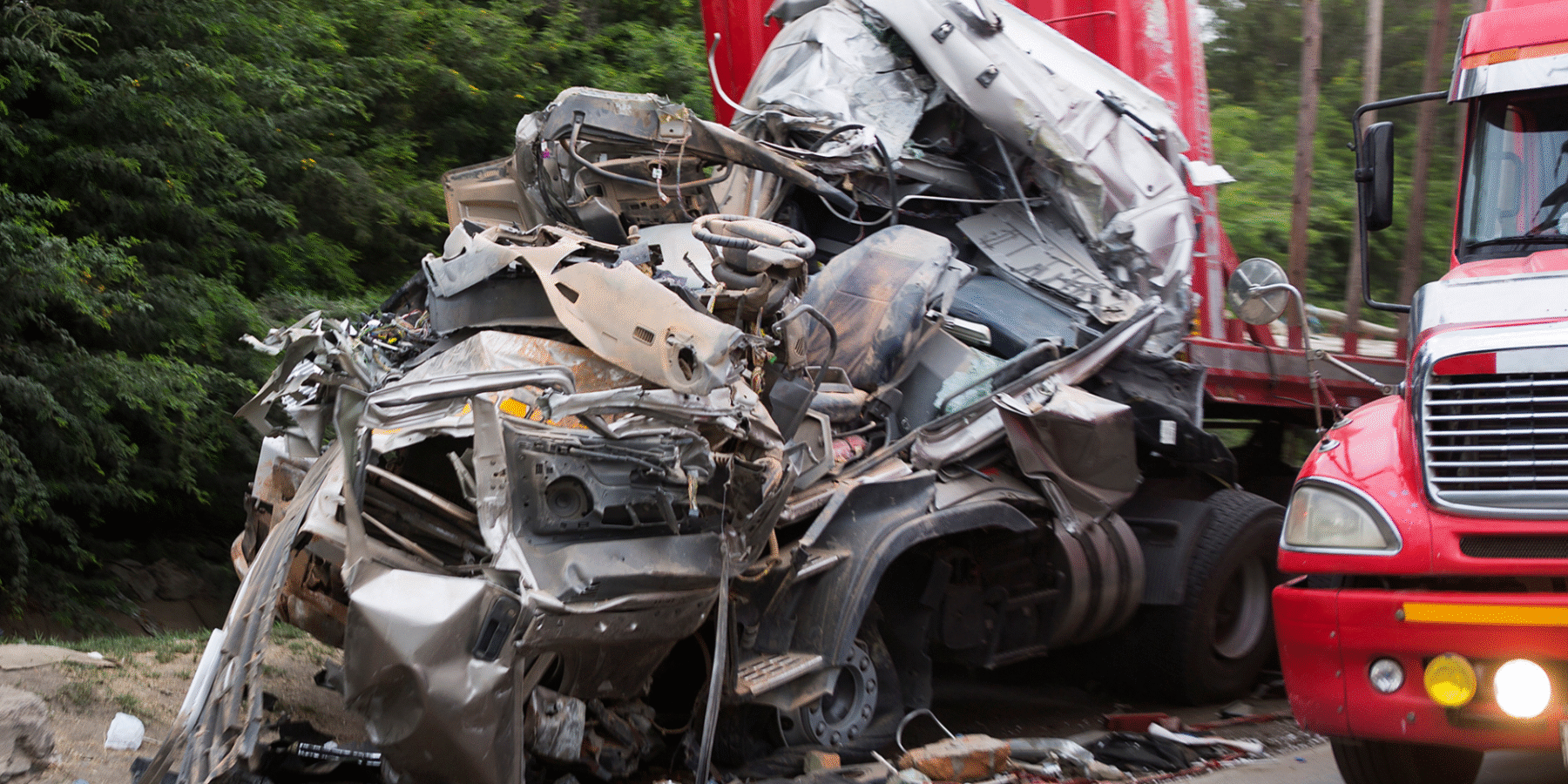
Douglas County officials responded early last Wednesday to a serious crash that shut down northbound Interstate 25, according to 9NEWS. The crash happened around 4:32 a.m. south of Castle Rock and involved a Ram pickup truck and a semi, blocking all northbound lanes of the interstate. The closure stretched between Tomah Road and Plum Creek Parkway as Colorado State Patrol investigated the scene. The driver of the pickup truck was taken to the hospital for treatment. Northbound lanes reopened just after 6:15 a.m., and troopers are asking anyone who witnessed the crash to contact Colorado State Patrol dispatch as the investigation continues.
When serious truck crashes shut down major highways like I-25, the consequences extend well beyond traffic delays. Drivers and their families are suddenly faced with injuries, uncertainty, and the lasting effects of a violent collision, while the broader community is reminded how quickly routine travel can turn dangerous. Incidents involving commercial vehicles often raise difficult questions about driver behavior, roadway conditions, and whether proper safety protocols were followed. Sorting through those concerns while focusing on recovery can be overwhelming. At Levine Law, we understand the physical, emotional, and financial strain serious semi-truck crashes place on victims and their loved ones, and we work to hold negligent parties accountable while advocating for safer roadways. If you or a loved one has been injured in a serious truck crash, call us at (303) 951-4810 today.
Why Legal Support Matters After a Castle Rock Semi-Truck Accident
A Castle Rock semi-truck accident can instantly change the course of a person’s life, and at Levine Law, we’ve seen firsthand how overwhelming the aftermath can be for victims and their families. Collisions involving commercial trucks often result in severe injuries, extensive property damage, and complex legal questions that go far beyond a typical car crash. Multiple parties may be involved, including trucking companies, drivers, maintenance providers, and insurers, each with their own interests and legal teams. Understanding how federal trucking regulations, driver log requirements, vehicle maintenance records, and crash data factor into a claim takes experience and resources. We work to thoroughly investigate every detail, preserve critical evidence, and build a strong case that reflects the true impact the crash has had on our clients’ lives.
Beyond the legal complexity, a Castle Rock semi-truck accident can place immense emotional and financial strain on injured victims and their loved ones. Medical bills can pile up quickly, time away from work can threaten financial stability, and the physical recovery process can be long and uncertain. We believe injured people deserve an advocate who not only understands the law, but also understands what they are going through. At Levine Law, we take a hands-on approach, handling communication with insurance companies, pushing back against lowball offers, and fighting to ensure our clients’ voices are heard. Our goal is to relieve as much of the burden as possible so families can focus on healing, while we focus on accountability and long-term safety on Colorado’s roads.
Injuries Frequently Resulting From a Castle Rock Semi-Truck Accident
Injuries from a Castle Rock semi-truck accident are often severe due to the size and weight of commercial vehicles. These crashes typically involve high speeds and significant force, which increases the risk of life-altering harm. Victims may face lengthy medical treatment and extended recovery periods. Understanding common injury types helps illustrate why these accidents require serious legal and medical attention.
Traumatic Brain Injuries and Head Trauma
Traumatic brain injuries frequently occur when the head strikes a hard surface during impact. Even with safety restraints, the force of a truck collision can cause significant brain damage. These injuries may affect memory, concentration, and emotional regulation. Long-term symptoms often interfere with work and daily activities.
Concussions and Severe Brain Damage
Concussions may appear mild initially but can worsen without proper treatment. More severe brain injuries can cause permanent cognitive impairment. Ongoing neurological care is often necessary for recovery. Early diagnosis plays a critical role in long-term outcomes.
Spinal Cord Injuries and Back Trauma
Spinal injuries are common in high-impact semi-truck crashes. Damage to the spine can limit mobility and cause chronic pain. Some victims experience partial or complete paralysis following these accidents. Recovery often involves surgery, rehabilitation, and long-term medical support.
Herniated Discs and Paralysis Risks
Herniated discs may cause persistent pain and nerve damage. Severe spinal cord trauma can result in loss of sensation or movement. These injuries often require invasive treatment options. Long-term care planning becomes essential for affected individuals.
Broken Bones and Orthopedic Injuries
The violent force of a semi-truck collision often leads to multiple fractures. Arms, legs, ribs, and pelvis bones are particularly vulnerable. Broken bones can limit mobility and independence during recovery. Surgical intervention is frequently required for proper healing.
Complex Fractures Requiring Surgery
Compound or displaced fractures often need surgical repair. Metal plates, screws, or rods may be necessary for stabilization. Recovery can involve months of physical therapy. Lingering pain or reduced function may persist after healing.
Internal Injuries and Organ Damage
Internal injuries pose serious risks following a Castle Rock semi-truck accident. Damage to organs may not be immediately visible after the crash. Prompt medical evaluation helps prevent life-threatening complications. These injuries often require emergency treatment.
Internal Bleeding and Organ Trauma
Internal bleeding can worsen rapidly without intervention. Organ damage may affect the liver, lungs, or kidneys. Symptoms sometimes appear hours or days later. Ongoing monitoring ensures complications are addressed early.
Soft Tissue Injuries and Chronic Pain
Soft tissue injuries affect muscles, tendons, and ligaments throughout the body. While less visible, these injuries can cause long-term discomfort. Chronic pain may interfere with sleep and daily routines. Treatment often includes therapy and pain management strategies.
Whiplash and Muscle Strain Complications
Whiplash commonly occurs during sudden deceleration impacts. Muscle strains may limit range of motion and strength. These injuries sometimes become chronic without proper care. Consistent treatment supports long-term recovery and function.
Psychological and Emotional Injuries
Emotional trauma often accompanies serious physical injuries. Victims may struggle with anxiety or post-traumatic stress following the crash. Mental health impacts can affect relationships and employment. Addressing emotional injuries remains an important part of recovery.
Post-Traumatic Stress and Anxiety Disorders
Flashbacks and fear may develop after severe collisions. Anxiety can make driving or traveling stressful. Professional counseling often supports emotional healing. Mental health care complements physical recovery efforts.
Who May Be Liable After a Castle Rock Semi-Truck Accident
Determining liability after a Castle Rock semi-truck accident often requires a detailed analysis of several contributing factors. Unlike standard car crashes, these cases frequently involve multiple parties with overlapping responsibilities. Identifying each liable party helps injured victims pursue full and fair compensation. Legal guidance ensures no responsible party escapes accountability.
The Semi-Truck Driver’s Responsibility
Semi-truck drivers must follow strict safety rules while operating large commercial vehicles. When drivers speed, drive while fatigued, or become distracted, serious collisions can occur. Violations of traffic laws or federal trucking regulations often point directly to driver negligence. Holding drivers accountable helps reinforce safer driving practices across Colorado highways.
Driver Fatigue and Hours-of-Service Violations
Federal regulations limit how long truck drivers may operate without rest. Fatigue reduces reaction time and impairs judgment during critical moments. When drivers exceed allowable hours, they increase the risk of devastating crashes. Reviewing logbooks and electronic data helps uncover these violations.
Liability of the Trucking Company
Trucking companies play a significant role in maintaining safety standards for their fleets. Employers may be liable when they fail to train drivers properly or enforce safety policies. Pressure to meet delivery deadlines can also encourage unsafe driving behavior. These corporate decisions often contribute directly to serious roadway accidents.
Negligent Hiring and Supervision Practices
Trucking companies must screen drivers carefully before placing them behind the wheel. Hiring drivers with poor records increases the likelihood of preventable crashes. Ongoing supervision and safety training help reduce risks on the road. Failure to uphold these responsibilities can establish company liability.
Responsibility of Vehicle Maintenance Providers
Commercial trucks require consistent inspection and maintenance to operate safely. Faulty brakes, worn tires, or steering failures can lead to catastrophic accidents. Maintenance providers may share liability when improper repairs contribute to a crash. Reviewing service records helps determine whether maintenance failures played a role.
Mechanical Failures and Unsafe Equipment
Mechanical issues often develop gradually when inspections are skipped or rushed. Small defects can escalate into major safety hazards at highway speeds. Identifying defective parts or poor workmanship strengthens liability claims. Accountability encourages higher maintenance standards across the trucking industry.
Liability of Cargo Loaders and Shippers
Improperly loaded cargo can destabilize even well-maintained semi-trucks. Overloaded trailers or uneven weight distribution increase rollover and jackknife risks. Cargo loaders and shipping companies must follow strict loading guidelines. Violations of these standards can make them partially liable for resulting crashes.
Shifting or Overloaded Cargo Risks
Cargo that shifts during transit can cause sudden loss of control. Overloaded trucks also require longer stopping distances. These conditions increase dangers for everyone sharing the road. Investigating loading practices helps determine whether cargo issues caused the collision.
Shared and Comparative Liability Considerations
Some Castle Rock semi-truck accident cases involve shared fault among multiple parties. Colorado law allows liability to be divided based on each party’s contribution. Accurate fault assessment helps ensure compensation reflects true responsibility. Legal analysis clarifies how comparative negligence impacts recovery.
Why Identifying All Liable Parties Matters
Multiple insurance policies may apply when several parties share fault. Identifying every liable party helps maximize available compensation. This approach also promotes accountability across the commercial transportation industry. Thorough investigations protect victims from unfairly limited recoveries.
How Compensation Is Calculated After a Castle Rock Semi-Truck Accident
Calculating compensation after a Castle Rock semi-truck accident requires a detailed review of both immediate and long-term losses. These cases often involve severe injuries that affect nearly every aspect of a victim’s life. A thorough damages assessment helps ensure injured individuals are not left covering costs caused by another party’s negligence. Careful evaluation also supports stronger negotiations with insurance companies.
Economic Damages in Semi-Truck Accident Claims
Economic damages represent the measurable financial losses caused by a semi-truck crash. These damages are often substantial due to the severity of injuries involved. Accurate documentation plays an important role in establishing these losses. Clear financial records help demonstrate the true economic impact of the accident.
Medical Expenses and Ongoing Treatment Costs
Medical bills often begin accumulating immediately after a serious truck crash. Hospital stays, surgeries, and emergency care frequently create overwhelming expenses. Long-term treatment may include physical therapy, rehabilitation, and specialized medical equipment. Future medical needs are also considered to reflect continuing care requirements.
Lost Wages and Reduced Earning Capacity
Many victims cannot return to work right away after a serious collision. Missed paychecks can quickly strain household finances. Some injuries permanently limit a person’s ability to earn income at the same level. Compensation calculations account for both current income losses and future earning limitations.
Non-Economic Damages and Personal Impact
Non-economic damages address the personal and emotional effects of a Castle Rock semi-truck accident. These losses do not come with receipts but remain deeply significant. Evaluating them requires careful consideration of how injuries affect daily life. Proper valuation helps ensure victims receive fair recognition of their suffering.
Pain, Suffering, and Emotional Distress
Severe physical pain often accompanies serious truck accident injuries. Emotional distress may include anxiety, depression, or trauma related to the crash. These effects can disrupt sleep, relationships, and overall well-being. Compensation reflects the ongoing burden these experiences create.
Loss of Enjoyment and Quality of Life
Injuries may prevent victims from enjoying activities they once valued. Limitations can affect hobbies, family interactions, and personal independence. Adjusting to these changes can be emotionally challenging. Damages account for how life enjoyment has been permanently altered.
Future Damages and Long-Term Planning
Semi-truck accidents often cause injuries with lasting consequences. Compensation calculations therefore look beyond immediate recovery periods. Long-term planning helps address future challenges before they arise. This approach supports financial stability over time.
Permanent Disabilities and Life-Care Needs
Some injuries result in permanent physical or cognitive limitations. Victims may require lifelong assistance or adaptive accommodations. Life-care plans help estimate the cost of future support services. Including these projections ensures compensation reflects ongoing needs.
Factors That Influence Final Compensation Amounts
Several factors influence the final value of a semi-truck accident claim. The severity of injuries often plays a central role. Liability clarity and available insurance coverage also affect outcomes. Strong evidence helps support higher compensation demands.
The Importance of Accurate Documentation
Medical records, financial statements, and expert evaluations strengthen damage calculations. Consistent documentation supports credibility throughout the claim process. Well-prepared evidence reduces opportunities for insurers to dispute losses. Thorough preparation improves the likelihood of fair compensation.
Evidence That Can Strengthen a Castle Rock Semi-Truck Accident Claim
Strong evidence plays a vital role in building a successful Castle Rock semi-truck accident claim. Truck accident cases often involve disputed facts and aggressive defense strategies. Gathering detailed and reliable evidence helps establish liability and prove damages. Comprehensive documentation also improves leverage during settlement negotiations.
Police Reports and Official Crash Documentation
Police reports provide an important starting point for understanding how a semi-truck crash occurred. These reports typically include officer observations, diagrams, and preliminary fault assessments. Accurate reports help clarify roadway conditions and involved parties. Reviewing these documents allows attorneys to identify inconsistencies early.
Citations and Officer Observations
Traffic citations may indicate violations contributing to the crash. Officer notes often describe vehicle positions and visible damage. Witness names and contact information are usually included. This information supports a clearer reconstruction of events.
Truck Driver Logs and Electronic Data
Commercial trucks generate extensive electronic and written records. Driver logs help reveal hours-of-service compliance and rest periods. Electronic control modules record speed, braking, and throttle usage before impact. Accessing this data provides objective insight into driver behavior.
Black Box and GPS Data Analysis
Black box systems capture critical seconds leading up to a collision. GPS data shows route history and driving patterns. These records help confirm or challenge driver statements. Prompt preservation ensures data remains intact.
Vehicle Maintenance and Inspection Records
Trucking companies must maintain detailed service records for their fleets. Maintenance logs reveal whether inspections occurred on schedule. Poor upkeep can point to mechanical failure as a crash cause. These records help establish corporate responsibility.
Brake, Tire, and Equipment Condition Evidence
Brake wear and tire condition affect stopping ability and stability. Defective parts increase accident risks significantly. Inspection reports highlight unresolved safety issues. Documenting these problems strengthens negligence claims.
Witness Statements and Eyewitness Accounts
Witness testimony often provides independent perspectives on a crash. Bystanders may notice speeding, erratic driving, or unsafe lane changes. Consistent statements help corroborate physical evidence. Early interviews preserve accurate recollections.
Independent Third-Party Observations
Neutral witnesses typically carry strong credibility. Their accounts can counter biased narratives from involved parties. Detailed statements support liability arguments. Attorneys often rely on witnesses during negotiations or litigation.
Accident Scene Photos and Video Footage
Visual evidence captures details not always reflected in written reports. Photos show vehicle damage, debris patterns, and road conditions. Video footage may come from traffic cameras or nearby businesses. These visuals help reconstruct crash dynamics.
Dash Cam and Surveillance Footage
Dash cams increasingly record critical moments before impact. Surveillance cameras may capture lane changes or signal violations. Footage provides time-stamped, objective evidence. Preserving video quickly prevents automatic deletion.
Medical Records and Injury Documentation
Medical records connect injuries directly to the semi-truck collision. Treatment notes describe injury severity and progression. Diagnostic imaging provides objective confirmation of harm. Consistent medical care strengthens causation arguments.
Linking Injuries to the Collision
Doctors document how injuries occurred and required treatment. Medical timelines help refute claims of unrelated conditions. Expert opinions may clarify long-term effects. Strong medical evidence supports full compensation claims.
Expert Analysis and Accident Reconstruction
Experts help interpret complex evidence in truck accident cases. Accident reconstruction specialists analyze speed, impact angles, and braking distances. Their findings translate technical data into understandable conclusions. Expert opinions often influence insurers and juries.
Engineering and Safety Expert Contributions
Engineers evaluate vehicle performance and roadway design. Safety experts assess regulatory compliance and industry standards. Their testimony supports liability theories. Expert analysis adds credibility to complex claims.
Challenges Victims Face After a Castle Rock Semi-Truck Accident
Victims of a Castle Rock semi-truck accident often face challenges that extend far beyond the initial collision. The size and force of commercial trucks frequently lead to severe injuries and complex legal issues. These cases also involve powerful trucking companies with significant resources. As a result, injured individuals may feel overwhelmed while trying to protect their rights.
Navigating Severe and Long-Term Medical Treatment
Serious truck accidents commonly cause injuries requiring extensive medical care. Victims may undergo surgeries, rehabilitation, and ongoing therapy for months or years. Coordinating treatment while managing daily responsibilities can become exhausting. Medical uncertainty often adds emotional stress during recovery.
Managing Ongoing Care and Medical Decisions
Long-term care often involves multiple specialists and treatment plans. Appointments, medications, and therapy schedules can dominate daily life. Making informed medical decisions requires clear communication with providers. This process becomes harder while coping with pain and limited mobility.
Financial Strain and Income Disruption
A Castle Rock semi-truck accident can quickly destabilize a household’s finances. Medical bills may arrive before insurance issues are resolved. Time away from work often reduces income when expenses increase. Financial pressure can intensify stress during recovery.
Dealing With Lost Wages and Mounting Expenses
Missed workdays can turn into long-term employment challenges. Some victims cannot return to their previous roles. Household expenses continue despite reduced income. Financial uncertainty often affects the entire family.
Confronting Complex Insurance and Legal Processes
Truck accident claims involve multiple insurers and legal teams. Victims may receive frequent calls requesting statements or documents. Understanding rights and obligations can feel confusing without guidance. Missteps during this stage may affect claim outcomes.
Responding to Insurance Company Tactics
Insurance representatives may dispute liability or minimize injuries. Delays and low settlement offers are common strategies. These tactics can frustrate injured individuals seeking resolution. Navigating negotiations requires persistence and careful documentation.
Emotional and Psychological Impact of the Crash
The emotional toll of a serious truck accident can be significant. Victims may experience fear, anxiety, or lingering trauma. These effects often interfere with sleep, relationships, and concentration. Emotional recovery frequently takes longer than physical healing.
Coping With Trauma and Lifestyle Changes
Sudden injuries can alter daily routines and independence. Victims may struggle adjusting to physical limitations. Emotional distress can surface during reminders of the crash. Support systems play an important role during this adjustment period.

How Personal Injury Attorneys in Castle Rock Support Victims of Semi-Truck Crashes
Personal injury attorneys in Castle Rock play a critical role in helping victims recover after serious semi-truck collisions. These crashes often involve severe injuries, complicated liability issues, and aggressive insurance defense tactics. With experienced legal guidance, injured victims can better understand their rights and available legal options. Legal support also helps balance the power disparity between injured individuals and large trucking companies.
Investigating the Cause of the Semi-Truck Crash
Thorough investigations form the foundation of successful semi-truck accident claims in Castle Rock. Attorneys gather evidence promptly to prevent critical information from being lost or destroyed. This process often includes reviewing crash reports, vehicle damage, and roadway conditions. Additionally, attorneys analyze driver logs, black box data, and maintenance records to identify safety violations.
Preserving Critical Evidence Early
Preserving evidence early helps ensure accuracy and strengthens the overall claim. Trucking companies often act quickly to protect their interests after a crash. Legal teams therefore send preservation letters to secure electronic data and physical records. This step allows victims to pursue claims supported by reliable, well-documented evidence.
Handling Insurance Companies and Trucking Corporations
Insurance companies frequently attempt to minimize payouts after serious truck crashes. Personal injury attorneys manage all communications to prevent clients from being pressured or misled. This representation allows victims to focus on recovery rather than stressful negotiations. Attorneys also evaluate settlement offers to ensure they reflect the true value of the claim.
Countering Common Insurance Tactics
Insurance adjusters often use delay strategies or dispute liability to reduce compensation. Attorneys respond by presenting clear evidence and consistent legal arguments. They also push negotiations forward using documented damages and expert analysis. As a result, insurers face increased pressure to resolve claims fairly.
Calculating the Full Scope of Damages
Semi-truck accidents often cause long-term medical and financial consequences for victims. Attorneys carefully calculate damages beyond immediate medical expenses. These calculations frequently include future treatment costs, lost earning capacity, and ongoing rehabilitation needs. Pain, suffering, and reduced quality of life are also considered when pursuing compensation.
Addressing Long-Term Medical and Financial Impacts
Long-term injuries may require surgeries, therapy, or permanent accommodations. Attorneys work with medical professionals to project future care needs accurately. Financial experts may also assist in estimating lost income over time. This comprehensive approach helps ensure compensation reflects both current and future losses.
Preparing Cases for Litigation When Necessary
While many claims settle, some require litigation to achieve fair outcomes. Attorneys prepare every case as though it will proceed to trial. This preparation strengthens negotiation positions and demonstrates readiness to pursue accountability. Courts often respond favorably to well-organized, evidence-backed cases.
Advocating for Victims in Court
If litigation becomes necessary, attorneys present clear and persuasive arguments before judges and juries. They highlight negligent conduct and regulatory violations affecting public safety. Victims benefit from having experienced advocates guide them through each legal step. Ultimately, strong courtroom advocacy supports both individual justice and broader roadway safety.
Contact an Experienced Castle Rock Semi-Truck Accident Attorney Today
After a serious semi-truck crash, having the right legal team in your corner can make a meaningful difference in both the outcome of your case and your peace of mind. At Levine Law, we bring deep experience handling complex truck accident claims throughout Castle Rock and Douglas County. We understand how aggressively trucking companies and insurers work to protect themselves, often at the expense of injured victims. That’s why we step in early, take control of the process, and work to uncover every factor that contributed to the crash. Our team focuses on building strong, evidence-backed cases designed to reflect the full scope of our clients’ injuries, losses, and long-term needs.
We pride ourselves on being more than just legal representatives—we’re advocates who stand with our clients at every stage of the process. From answering questions to keeping you informed and prepared, we believe clear communication and trust matter just as much as results. At Levine Law, we are committed to pursuing accountability and helping injured individuals move forward with confidence. If you or a loved one has been hurt in a Castle Rock semi-truck accident, give us a call today at (303) 951-4810 or reach out online to schedule a free consultation and learn how we can help protect your rights and your future.
Contact usfor a free consultation.
Phone: (303) 951-4810