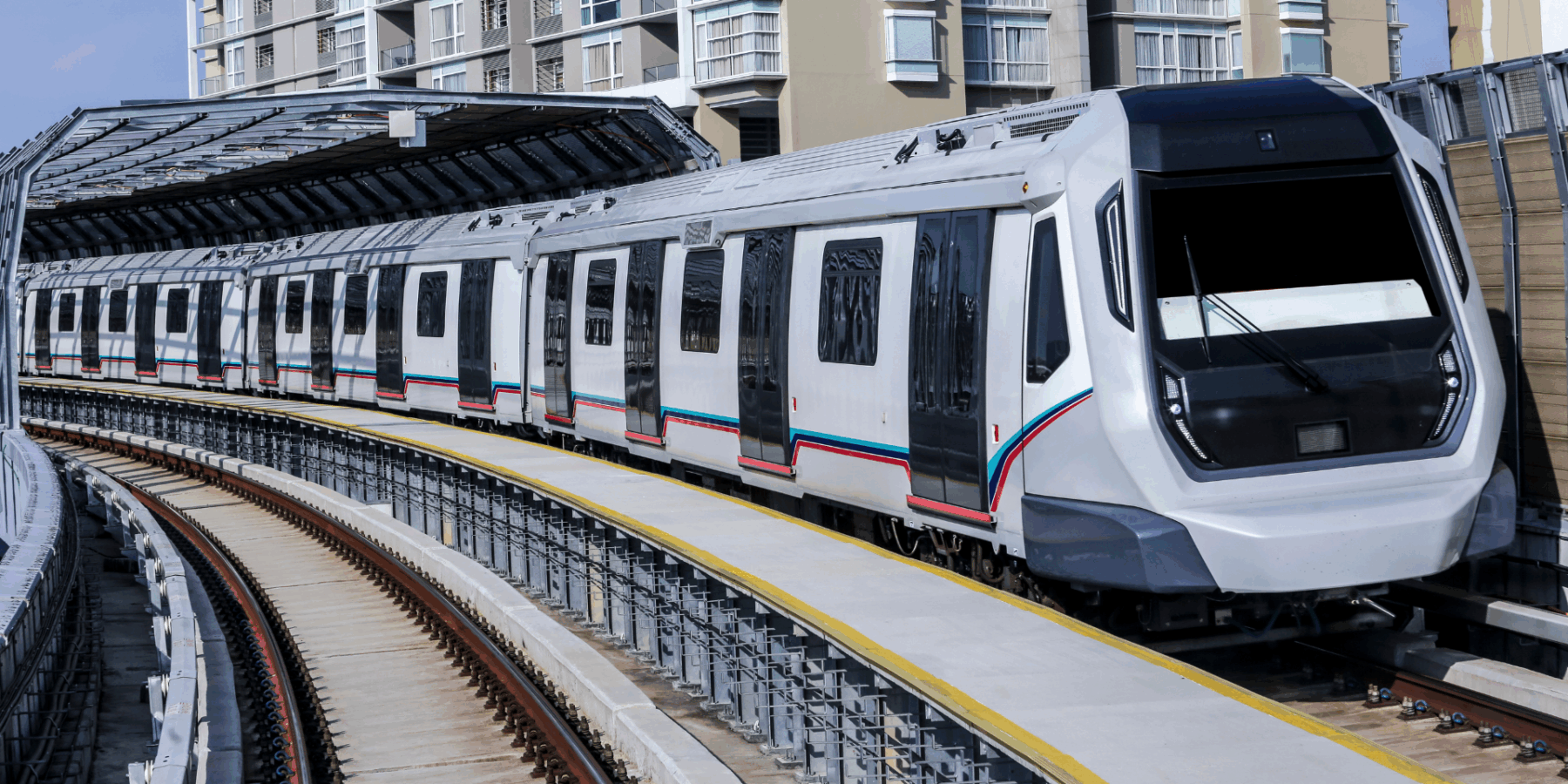
Service on Denver’s RTD A Line was disrupted last Tuesday morning after a train accident near Aurora, according to CBS News. The incident occurred when a commuter train derailed in the Denver metro area, prompting suspensions and delays along the route that typically connects Union Station with the airport. RTD crews and emergency responders worked at the scene to assess the situation and begin restoration efforts, while passengers on board were reportedly evaluated by first responders for any potential injuries. The disruption affected travel for commuters and travelers alike, with RTD advising riders to expect continued delays and to consider alternative transportation options as the investigation into the cause of the accident continues.
Serious disruptions involving train lines and trucks highlight how transportation accidents can quickly create widespread safety concerns and travel chaos across the metro area. When train service is unexpectedly halted due to an accident, passengers may face not only delays and inconvenience but also potential injuries, emotional distress, and uncertainty about what caused the incident. The aftermath of a train-related accident can be confusing, particularly for those trying to understand whether operator error, equipment failure, or other negligence played a role. In these situations, legal guidance can help affected passengers understand their rights and explore available options. At Levine Law, we understand the complex challenges individuals may face after an Aurora truck accident and work to help clients seek accountability and compensation when warranted. If you were impacted by a transit-related accident, call us at (303) 951-4810.
Why Legal Support Is Crucial After an Aurora Truck Accident
An Aurora truck accident can leave victims facing severe injuries, emotional trauma, and complicated legal questions, which is why Levine Law is prepared to provide experienced guidance and support. At Levine Law, we understand that collisions involving large trucks often result in far greater damage than typical vehicle accidents due to the size and weight of commercial vehicles. We take the time to carefully review the details of the crash, examine available evidence, and assess how the accident has impacted our clients’ health, finances, and daily lives. Our focus is on helping injured individuals understand their rights while navigating a legal process that can feel overwhelming after a serious truck collision.
When we handle an Aurora truck accident case, we work to ease the burden on our clients by addressing the complex issues that often arise in these claims. We analyze police reports, witness statements, trucking records, and roadway conditions to identify potential negligence by drivers, trucking companies, or other responsible parties. We also evaluate the full scope of damages, including medical expenses, lost income, and long-term effects on quality of life. At Levine Law, we prioritize clear communication and thoughtful advocacy so our clients feel supported and informed as their case moves forward.

Steps to Take After an Aurora Truck Accident
The steps taken after an Aurora truck accident can significantly affect physical recovery, personal safety, and any future insurance or legal claims. Victims may feel overwhelmed or unsure how to proceed, especially when injuries are serious or multiple vehicles are involved. Knowing what actions to prioritize can help protect health while preserving important evidence. A calm and informed response during this time can make a meaningful difference.
Seek Immediate Medical Attention
Medical evaluation should be the first priority following a truck accident, even if injuries do not appear severe at the scene. Some injuries, including internal trauma or head injuries, may not present symptoms right away. Prompt medical care helps protect health and creates official records linking injuries to the crash. Early diagnosis also supports a more effective recovery process.
Follow Through With All Recommended Treatment
Consistent medical treatment allows providers to monitor healing and identify complications that may develop over time. Skipping appointments or delaying care can slow recovery and weaken documentation. Follow-up visits help establish injury progression. Medical records often play a critical role in evaluating damages.
Report the Accident to Law Enforcement
Reporting the crash to police ensures an official record is created, which may later be referenced during investigations or claims. Officers document vehicle positions, roadway conditions, and statements from those involved. Police reports help establish an objective account of the incident. Prompt reporting supports accuracy.
Provide Accurate Information Without Speculation
Sharing clear, factual information with law enforcement helps investigators understand what occurred. Avoid guessing or assigning blame at the scene. Statements based on observable facts are more reliable. Careful communication helps prevent misunderstandings.
Document the Scene and Gather Information
Photographing vehicle damage, skid marks, and roadway conditions can help preserve evidence that may change quickly. Collecting contact information from witnesses can also be valuable. Thorough documentation supports later reconstruction. Early evidence collection improves reliability.
Preserve Vehicle and Personal Property Evidence
Avoid repairing or disposing of damaged vehicles or personal items until documentation is complete. These materials may contain important evidence. Preserving them helps maintain accuracy. Proper storage supports future evaluation.
Notify Insurance Providers Carefully
Notifying insurance companies is often required, but communication should be handled thoughtfully. Providing basic information without speculation helps protect claims. Reviewing policy requirements helps avoid missteps. Careful notification supports smoother processing.
Avoid Providing Recorded Statements Too Early
Insurance adjusters may request recorded statements shortly after the crash. These statements may later be used to challenge claims. Waiting until facts and injuries are clearer can be beneficial. Thoughtful timing helps protect interests.
Track Expenses and Maintain Records
Keeping detailed records of medical bills, repair costs, and lost income helps establish financial impact. Personal notes about pain or limitations may also be helpful. Organized documentation supports accurate evaluation. Consistency reduces confusion.
Monitor Deadlines and Correspondence
Insurance and legal deadlines may apply soon after a truck accident. Reviewing correspondence carefully helps avoid missed obligations. Timely responses support progress. Staying organized helps maintain control.
Injuries Commonly Caused by an Aurora Truck Accident
An Aurora truck accident often results in serious or catastrophic injuries due to the significant size and weight difference between commercial trucks and passenger vehicles. The force involved in these collisions can cause extensive physical harm even at lower speeds. Victims may face long recovery periods, permanent limitations, or life-altering consequences. Understanding the types of injuries commonly associated with truck accidents highlights the seriousness of these incidents.
Traumatic Brain and Head Injuries
Head injuries are among the most severe outcomes of truck accidents. Sudden impact or violent motion can cause traumatic brain injuries, even when airbags deploy. These injuries may affect memory, cognition, emotional regulation, and motor function. Long-term medical care and rehabilitation are often required.
Concussions and Closed Head Trauma
Concussions may not always present immediate symptoms but can worsen over time. Closed head trauma can disrupt normal brain activity and daily functioning. Early diagnosis and monitoring are critical. Recovery timelines vary widely.
Spinal Cord and Back Injuries
Truck accidents frequently involve forces that damage the spine, neck, or back. Injuries may include herniated discs, spinal fractures, or spinal cord damage. These conditions can result in chronic pain or paralysis. Long-term treatment may be necessary.
Permanent Mobility and Function Limitations
Severe spinal injuries may lead to lasting mobility restrictions. Victims may require assistive devices or ongoing care. Daily activities and employment may be affected. Quality of life can change significantly.
Broken Bones and Orthopedic Injuries
Fractures to arms, legs, ribs, and hips are common in truck collisions. These injuries often require surgery, immobilization, and physical therapy. Recovery can be lengthy and painful. Complications may arise during healing.
Internal Injuries and Soft Tissue Damage
Internal injuries such as organ damage or internal bleeding may not be immediately visible. Soft tissue injuries including muscle tears and ligament damage are also common. These injuries can worsen without prompt treatment. Medical evaluation is essential after any truck accident.
How Fault Is Determined After an Aurora Truck Accident
Determining fault after an Aurora truck accident requires a careful and comprehensive analysis of driver behavior, trucking company practices, and the conditions surrounding the collision. Fault assessments play a central role in insurance decisions, liability evaluations, and any potential legal claims that follow, particularly when serious injuries or fatalities are involved. Because truck accidents often include multiple vehicles, commercial operators, and conflicting accounts of what occurred, investigators rely heavily on objective evidence rather than assumptions or initial impressions. Liability determinations are ultimately based on a detailed review of facts, documentation, and how each party’s actions contributed to the crash.
Reviewing Driver Conduct and Traffic Law Compliance
Investigators begin by closely examining whether the truck driver or other motorists involved violated traffic laws or failed to operate their vehicles safely. Behaviors such as speeding, unsafe lane changes, distracted driving, tailgating, or failure to yield can all indicate negligence when they directly contribute to a collision. Driver actions in the moments leading up to the crash, as well as immediately afterward, are carefully reviewed to establish a clear sequence of events. When evidence shows that a driver ignored traffic rules or failed to exercise reasonable caution, those findings often strengthen fault determinations.
Evaluating Speed, Braking, and Reaction Time
Speed and braking behavior are frequently analyzed to determine whether the truck driver had sufficient time and distance to avoid the collision. Investigators may examine skid marks, vehicle damage patterns, and roadway evidence to estimate speed and stopping distance. In some cases, electronic vehicle data or onboard systems may provide additional insight into braking or acceleration prior to impact. These factors help determine whether excessive speed, delayed braking, or reduced reaction time played a role in causing the accident.
Evaluating Trucking Company Practices
Fault in an Aurora truck accident may extend beyond the driver to the trucking company that employed or contracted them. Investigators review company practices such as hiring standards, driver training, scheduling policies, and supervision to determine whether unsafe practices contributed to the crash. Pressure to meet delivery deadlines, inadequate training, or poor oversight can all influence driver behavior on the road. When company policies or management decisions contribute to unsafe driving conditions, employer responsibility becomes an important part of the fault analysis.
Compliance With Federal and State Regulations
Commercial trucking operations are governed by extensive state and federal safety regulations designed to reduce crash risk. Investigators examine whether the trucking company and driver complied with rules related to hours-of-service limits, vehicle maintenance, driver qualifications, and inspection requirements. Violations such as excessive driving hours, incomplete maintenance records, or improperly trained drivers may indicate systemic negligence. Regulatory compliance is often a key factor in determining liability in truck accident cases.
Considering Roadway and Environmental Conditions
Roadway and environmental conditions are also evaluated to provide context for how the accident occurred. Investigators assess factors such as road design, lane configuration, signage, lighting, weather conditions, and visibility at the time of the crash. While poor weather or roadway conditions do not excuse negligent driving, they may influence how drivers were expected to adjust their behavior. Understanding these conditions helps explain whether appropriate caution was exercised under the circumstances.
Comparative Fault Considerations
In some Aurora truck accident cases, responsibility may be shared among multiple parties rather than assigned to a single driver or company. Comparative fault principles allow liability to be allocated proportionally based on each party’s contribution to the collision. For example, a truck driver may have been speeding while another motorist made an unsafe maneuver, resulting in shared responsibility. Evidence is used to support accurate fault allocation, reflecting the complexity of real-world traffic situations.
Evidence That Can Support an Aurora Truck Accident Claim
Strong evidence is essential when evaluating an Aurora truck accident claim, particularly when injuries are severe or liability is disputed. Evidence helps establish how the crash occurred, who may be responsible, and whether safety rules were violated. Because trucking companies and insurers often conduct their own investigations quickly, early evidence collection is especially important. Organized and well-documented evidence strengthens credibility and supports a clearer understanding of the incident.
Physical Evidence From the Crash Scene
Physical evidence includes skid marks, debris, vehicle damage, and roadway conditions present at the scene of the collision. Photographs taken shortly after the crash help preserve details that may disappear once vehicles are moved or traffic resumes. This evidence can reveal speed, direction of travel, and braking behavior. Early documentation provides an objective foundation for reconstructing events.
Truck and Vehicle Damage Analysis
Damage patterns on the truck and other vehicles can reveal important details about how the collision occurred. The location and severity of damage may indicate points of impact, angles of collision, and relative force. Crumple zones, scrape marks, and intrusion into passenger areas help explain injury severity. Careful damage analysis often plays a key role in fault determination.
Trucking Records and Documentation
Commercial truck accidents often involve extensive records that provide insight into driver behavior and company practices. Driver logs, maintenance records, inspection reports, and delivery schedules may all be reviewed. These documents help determine whether safety regulations were followed. Inconsistencies or missing records may point to contributing factors.
Electronic Logging Devices and Vehicle Data
Many commercial trucks are equipped with electronic logging devices and onboard data systems. These records may show speed, braking activity, hours of operation, and driving patterns leading up to the crash. Digital data provides objective, time-stamped information that can corroborate or contradict statements. This information often becomes a critical component of crash analysis.
Police Reports and Official Records
Police reports summarize responding officers’ observations, diagrams, and statements from those involved. While not always conclusive, these reports often influence how insurers and investigators evaluate fault. Medical records document the nature and progression of injuries sustained in the crash. Consistent and thorough documentation helps establish a clear timeline.
Witness Statements and Surveillance Footage
Witnesses may provide valuable perspectives on driver behavior, traffic conditions, and the sequence of events. Independent accounts can help clarify disputed details or confirm unsafe driving actions. Surveillance or traffic camera footage may offer objective visual evidence of the collision or moments leading up to it. Video evidence often plays a decisive role in resolving factual disagreements.
Insurance Challenges After an Aurora Truck Accident
Insurance challenges frequently arise after an Aurora truck accident, especially because these crashes often involve commercial carriers, large insurance policies, and multiple potentially responsible parties. Companies may begin investigating immediately with the goal of limiting financial exposure rather than fully addressing the harm suffered by victims. As a result, injured individuals may encounter delays, disputed claims, or settlement offers that do not reflect the true extent of their losses. Understanding these challenges helps explain why truck accident claims are often more complex and time-consuming than standard vehicle accident cases.
Multiple Insurance Policies and Coverage Issues
Truck accidents may involve insurance coverage from the truck driver, the trucking company, vehicle owners, or other third parties involved in the collision. Each policy may carry different coverage limits, exclusions, and procedural requirements that must be carefully navigated. Coordinating between multiple insurers can lead to confusion and delays, especially when responsibility is disputed. Clear documentation and organized communication help manage overlapping coverage issues and reduce complications.
Commercial Policy Limitations and Exclusions
Commercial trucking policies often include specific limitations, exclusions, or conditions that insurers rely on to challenge claims. These policies may restrict coverage based on vehicle use, driver conduct, or compliance with safety regulations. Insurers may closely analyze policy language to deny or reduce payment. Understanding the scope of coverage is essential for evaluating available recovery options and avoiding unexpected obstacles.
Disputes Over Fault and Liability
Insurers frequently dispute fault after an Aurora truck accident in an effort to minimize or avoid paying claims. Conflicting accounts from drivers, incomplete evidence, or unclear crash dynamics can delay resolution and complicate negotiations. Insurance companies may attempt to shift blame onto other drivers or even the injured party. Strong, well-documented evidence is often necessary to counter liability disputes and support accurate fault determination.
Comparative Fault Arguments
Insurance companies may argue that multiple parties share responsibility for the crash, even when the truck driver’s actions played a significant role. Comparative fault arguments can reduce compensation depending on how responsibility is allocated. These claims often rely on selective interpretations of the evidence. Accurate and comprehensive documentation helps support fair fault allocation and manage expectations.
Delays in Claim Evaluation and Settlement
Truck accident claims often take longer to resolve due to the volume of evidence, number of parties involved, and complexity of investigations. Insurers may conduct extended reviews before making settlement decisions. These delays can be frustrating for victims who are coping with medical treatment and financial strain. Preparation and patience are often required throughout the process.
Truck accidents may involve liability beyond the driver alone. Attorneys evaluate whether trucking companies, vehicle owners, maintenance providers, or other third parties may share responsibility. Identifying all potentially responsible parties helps ensure accountability. This analysis shapes the direction of a claim.
Evaluating Compliance With Safety Regulations
Commercial trucks are subject to state and federal safety regulations. Attorneys review driver logs, maintenance records, and company policies to assess compliance. Violations of safety rules may indicate negligence. Regulatory review is often central to truck accident cases.
Managing Insurance and Legal Communications
Truck accident claims often involve multiple insurance carriers with substantial resources. Attorneys manage communication with insurers to help prevent misstatements or unfair claim practices. They review policy terms and respond to requests for information. This support helps protect victims during recovery.
Addressing Disputes and Delays
Disagreements over fault, coverage, or compensation are common. Attorneys work to address these challenges using evidence and documentation. Strategic communication helps move claims forward. Early attention reduces unnecessary delays.
Evaluating Injuries and Long-Term Needs
Truck accidents frequently cause severe injuries requiring long-term treatment. Attorneys review medical records to understand immediate and future care needs. This evaluation includes physical, emotional, and financial impact. Understanding long-term needs supports accurate damage assessments.
Accounting for Recovery and Lifestyle Changes
Injuries may affect mobility, employment, and daily independence. Attorneys help ensure these changes are documented and considered. Emotional distress and reduced quality of life are also evaluated. Comprehensive review supports fair consideration.
Guiding Clients Through the Legal Process
Navigating the legal process after a truck accident can feel overwhelming. Attorneys explain each stage of the case and what to expect along the way. Ongoing guidance helps reduce uncertainty. Clear communication supports informed decision-making.
Preparing for Settlement or Litigation
Some truck accident cases resolve through negotiation, while others require court proceedings. Attorneys prepare clients for both possibilities. Understanding procedures and potential outcomes helps clients feel prepared. Effective preparation remains essential throughout the case.

What a Denver Personal Injury Attorney Does to Fight for Clients
After a serious accident, injured individuals often face physical pain, emotional stress, and uncertainty about how to protect their rights. A Denver personal injury attorney works to advocate for clients by handling the legal process while they focus on recovery. Personal injury cases frequently involve disputed liability, insurance challenges, and long-term financial consequences that require careful attention. Dedicated legal representation helps ensure that a client’s interests are protected at every stage.
Conducting a Thorough Case Investigation
A strong personal injury case begins with a detailed investigation into how the accident occurred. Attorneys review police reports, crash scene evidence, medical records, and witness statements to establish the facts. This investigation helps identify negligent actions and contributing factors. A clear understanding of events forms the foundation of effective advocacy.
Gathering and Preserving Critical Evidence
Evidence such as photographs, surveillance footage, vehicle damage, and medical documentation is carefully collected and preserved. Timely evidence gathering helps prevent loss or deterioration of key details. Preserving this information strengthens the credibility of a claim. Organized records support accurate case evaluation.
Identifying Liability and Responsible Parties
Personal injury attorneys analyze who may be legally responsible for the injuries suffered. Liability may involve drivers, property owners, employers, or other third parties depending on the circumstances. Identifying all responsible parties helps ensure accountability. This analysis shapes the strategy of the case.
Evaluating Negligence and Legal Standards
Attorneys assess whether the responsible party failed to meet a legal duty of care. Evidence of unsafe behavior, policy violations, or traffic law infractions may support negligence claims. Understanding legal standards helps determine how responsibility is established. Clear evaluation strengthens the case.
Managing Insurance Company Communications
Insurance companies often begin evaluating claims quickly after an accident. Attorneys handle communication with insurers to help prevent misstatements or unfair claim practices. They review policy terms and respond to requests for information. This support protects clients from unnecessary pressure.
Addressing Claim Disputes and Settlement Negotiations
Disagreements over fault or compensation are common in personal injury cases. Attorneys use evidence and documentation to challenge low settlement offers. Negotiations often involve multiple discussions. Strategic advocacy helps pursue fair outcomes.
Calculating Damages and Case Value
Personal injury attorneys evaluate the full scope of a client’s losses, including medical expenses, lost income, and future needs. This evaluation also considers emotional distress and lifestyle impact. Understanding case value helps guide negotiations. Accurate calculation supports informed decisions.
Accounting for Long-Term and Future Impact
Some injuries have lasting effects that extend beyond initial treatment. Attorneys consider ongoing care, reduced earning capacity, and quality-of-life changes. Planning for future impact ensures claims reflect true losses. Comprehensive evaluation supports fairness.
Preparing Cases for Resolution or Trial
Not all personal injury cases resolve through settlement alone. Attorneys prepare cases as though they may proceed to trial, ensuring readiness for any outcome. Preparation includes organizing evidence and developing legal arguments. Trial readiness strengthens negotiating positions.
Advocating for Clients in Court When Necessary
When litigation is required, attorneys present evidence, question witnesses, and argue on behalf of their clients. Court advocacy requires preparation and attention to detail. Effective representation helps ensure a client’s voice is heard. Advocacy remains central throughout the process.
Providing Ongoing Guidance and Client Support
Throughout the case, personal injury attorneys keep clients informed and supported. They explain developments, answer questions, and provide updates. Clear communication helps reduce stress and uncertainty. Ongoing guidance builds trust.
Helping Clients Navigate Recovery and Legal Decisions
Attorneys assist clients in understanding how legal decisions may affect recovery and future stability. Thoughtful guidance helps clients make informed choices. Support extends beyond paperwork and deadlines. Client-focused representation remains the priority.
Contact an Experienced Aurora Truck Accident Lawyer Today
After a serious truck collision, having knowledgeable legal guidance can make a meaningful difference in how your case progresses and how you move forward. At Levine Law, we understand that victims of truck accidents are often dealing with painful injuries, extensive medical treatment, lost income, and uncertainty about the future. We take a compassionate and thorough approach to every case, carefully reviewing the circumstances of the crash and working to understand how it has affected your health, finances, and daily life. Our goal is to provide clarity and stability during an overwhelming time while handling the legal complexities on your behalf.
When you choose Levine Law, you work with a legal team that is committed to protecting your rights and advocating for your best interests at every stage of the process. We focus on clear communication, detailed case preparation, and strong representation so you always know where your case stands and what options are available. We take the time to answer questions, explain each step, and address concerns as they arise, ensuring you feel supported and informed throughout your case. If you or a loved one has been injured in an Aurora truck accident, contact Levine Law today at (303) 951-4810 or reach out online to schedule a free consultation and learn how we can help you pursue accountability and fair compensation.
Contact usfor a free consultation.
Phone: (303) 951-4810