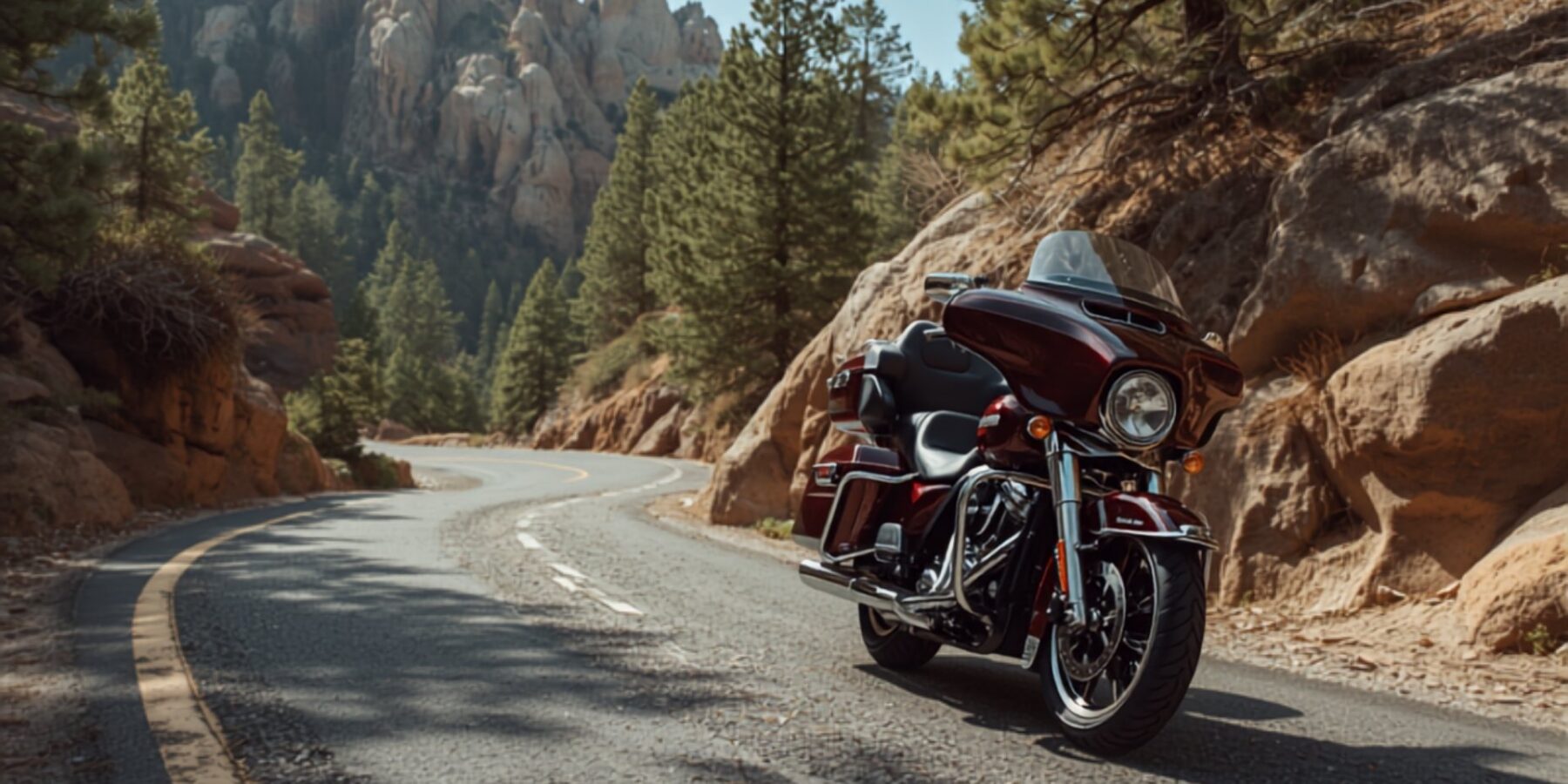
A Boulder motorcycle accident lawyer builds your pain and suffering number from medical records, recovery time, and how the crash changed your daily life. Colorado caps most noneconomic damages at $1.5 million for claims accruing on or after January 1, 2025. Physical impairment and disfigurement sit outside that cap, and helmet evidence stays out.
Levine Law represents people hurt by the negligent or willful acts of others across Colorado, with offices in Denver, Colorado Springs, and Fort Collins. Founding partner Jordan S. Levine and the firm have handled injury claims for more than 20 years. This guide walks through how pain and suffering gets valued after a motorcycle crash in Boulder. It also covers the Colorado rules that raise or cut that number.
If a Boulder crash left you hurt and an adjuster is lowballing your pain, call Levine Law at (303) 951-4810 for a free consultation. You never pay legal fees unless the firm wins your case.
What Counts as Pain and Suffering After a Boulder Motorcycle Crash?
Road rash, a shattered wrist, months off the bike. How do you put a price on that? The Boulder motorcycle accident attorneys at Levine Law start with the legal definition, because Colorado law decides what fits inside this category. Riders often undervalue their claims because they think pain and suffering means physical pain alone. It covers far more than that.
Colorado splits injury damages into economic and noneconomic losses. Economic losses carry a receipt, such as hospital bills, lost wages, and a totaled bike. Noneconomic losses do not. They still carry real weight in a settlement, and on a serious motorcycle injury they often make up the largest share of the claim.
How Colorado Law Defines Noneconomic Loss
Colorado Revised Statutes section 13-21-102.5 defines noneconomic loss as nonpecuniary harm suffered by the injured person. The statute names four parts. Each one can be proven with its own evidence, and a strong claim documents all of them. Here is what the statute lists.
- Pain and suffering, including the physical pain of the injury and of treatment.
- Inconvenience, such as missed rides, canceled trips, and help you now need at home.
- Emotional stress, including anxiety on the road and trouble sleeping.
- Impairment of the quality of life, meaning the activities you can no longer enjoy.
Most adjusters lump these together into one small figure. Separating them shows the full weight of what you lost.
Physical Impairment and Disfigurement Are Their Own Damages
Subsection (5) of the same statute says nothing in the cap limits compensatory damages for physical impairment or disfigurement. That matters for riders. A rider thrown onto pavement often ends up with permanent road rash scars. Some riders also live with surgical hardware that limits motion. Those losses get valued as a separate line. A good claim never folds them into general pain and suffering.
How Do Insurers and Boulder County Juries Put a Number on Pain?
No Colorado statute sets a formula for pain and suffering. That surprises most riders. Insurance companies use shortcuts, while a jury uses judgment and evidence. Knowing both helps you spot a lowball offer fast.
The Colorado claim value guide on this site covers the full picture, including economic losses. This section stays with the noneconomic side. Several factors move the number in almost every case.
- The severity of the injury and whether it required surgery.
- The length of treatment and the time until you reached maximum recovery.
- Whether a doctor rates any part of the injury as permanent.
- The effect on your work, family life, and hobbies such as riding.
- The consistency of your treatment, with no long unexplained gaps.
Every item on that list comes down to proof. The sections below explain how that proof gets turned into a figure.
The Multiplier Method Adjusters Often Use
Many adjusters multiply your medical bills by a number, commonly somewhere between 1.5 and 5. A minor sprain lands at the low end. A fracture with surgery and lasting limits pushes higher. The weakness is obvious once you see it. The math rewards big bills and ignores a rider who healed slowly on a tight budget. It also ignores scarring and lost riding seasons that never show up on an invoice.
The Per Diem Method and Daily Value
The per diem approach assigns a dollar amount to each day you live with pain. It then multiplies that rate by the days until you reach maximum recovery. A daily rate tied to your actual wages can feel concrete to an adjuster. It works poorly for permanent injuries, because the number of days has no clear end. The method fits best when the recovery period was short and well documented.
What a Boulder County Jury Actually Weighs
If your case goes to trial at the Boulder County Combined Court on 6th Street, jurors do not use a multiplier. They hear testimony and look at records. Then they decide what amount fairly compensates you. Nobody hands them a chart or a multiplier to follow. Their verdict rests on how clearly your side proves the harm. Two kinds of evidence carry the most weight in that room.
Your Medical Records From Foothills Hospital
Foothills Hospital on Arapahoe Avenue is an American College of Surgeons verified Level II Trauma Center. If an ambulance took you there, the records created that day set the baseline for everything that follows. Jurors read them closely. Two parts of the file usually do the most work.
Trauma Imaging and Surgical Notes
CT scans, X-rays, and operative reports show the damage in plain terms. A surgeon’s note about plates, screws, or skin grafts tells a jury how much force your body absorbed. These records also answer the defense claim that an injury came from something else. Ask for complete copies, not a summary.
Physical Therapy and Pain Management Notes
Therapy notes track your range of motion and pain scores visit by visit. They show the slow grind of recovery in a way a single hospital record cannot. Pain management notes add the medication history. Together, these files prove that the pain lasted for months after discharge.
Testimony About Your Daily Life
Your spouse, coworkers, and riding friends can describe what changed. Maybe you stopped riding Lefthand Canyon on weekends. Maybe you now need help carrying groceries. Jurors connect with these details because they can picture them. A short daily journal written during recovery backs up that testimony.
What a Boulder Motorcycle Accident Lawyer Checks About Colorado’s Damages Cap
Colorado does cap pain and suffering, and the limits changed recently. Many websites still quote a cap near $600,000. That figure is outdated. Colorado raised the general limit when House Bill 24-1472 took effect on January 1, 2025.
Any Boulder motorcycle accident lawyer handling a serious injury case has to know which version applies. The cap only matters in cases with large noneconomic losses. For a rider with a brain injury or a permanent limp, it can matter a great deal. Do not let an outdated figure anchor your expectations.
The $1.5 Million Limit Under HB24-1472
Under C.R.S. 13-21-102.5(3)(a)(II), noneconomic damages may not exceed $1,500,000. That applies to actions filed on or after January 1, 2025, and to claims that accrue on or after that date. The old law let a court double the limit on clear and convincing evidence. The new limit has no doubling provision. For most riders, the higher ceiling means a serious injury can be valued closer to its real weight.
Crashes and Lawsuits Before 2025
Older cases follow the older rule, which used a much lower base limit. For claims accruing in 2024, the Colorado Secretary of State certified $729,790, or up to $1,459,600 with clear and convincing evidence. Whether that older limit applies depends on both the crash date and the filing date. Get advice on your dates before you accept any offer.
Inflation Adjustments Starting in 2028
The $1.5 million figure does not stay fixed forever. The statute requires an inflation adjustment on January 1, 2028, and every two years after that. The adjustment uses the consumer price index for the Denver, Aurora, and Lakewood area. The Secretary of State certifies each new figure.
Why the Jury Never Hears About the Cap
Subsection (4) of the statute bars anyone from telling the jury about the cap. Jurors decide the full amount they believe is fair. The judge then reduces the award, if needed, before entering judgment. That keeps a Boulder County jury focused on your actual losses instead of a legal ceiling. It also means a large verdict may shrink after trial, which shapes settlement talks.
Can Skipping a Helmet Lower Your Pain and Suffering Award in Colorado?
This is the question riders ask most, and the answer is good news for many of them. Helmet use is a hot topic in Colorado. The Colorado Department of Transportation reported 148 motorcyclists killed statewide in 2025, which was 21% of all traffic deaths. CDOT also found that 49% of riders killed over the last five years wore no helmet.
Insurers know those numbers and raise the helmet issue early. Colorado courts have taken a clear position on how far that argument can go. The helmet rules below apply whether you crashed on US 36 or on a quiet street near Chautauqua.
Colorado’s Helmet Law Covers Riders Under 18
C.R.S. 42-4-1502(4.5) requires a helmet for drivers and passengers under 18 years old. The helmet must meet federal motor vehicle safety standard 218. Adult riders are not required to wear one. A violation by a minor is a class A traffic infraction, and that fact can come up differently in a case involving a teen rider. Parents of young riders should raise the helmet question early.
The Dare v. Sobule Rule on Helmet Evidence
In Dare v. Sobule, 674 P.2d 960 (Colo. 1984), the Colorado Supreme Court addressed a motorcyclist who was not wearing a helmet. The court held that evidence of that choice is inadmissible to show the rider was negligent. It also held that the evidence cannot be used to reduce damages. The 2026 Colorado Revised Statutes still list the case in the notes to C.R.S. 13-21-111.
Why the Seat Belt Rule Does Not Reach Riders
Colorado lets a defendant use a driver’s failure to wear a seat belt to reduce pain and suffering damages under C.R.S. 42-4-237(7). Riders often assume the same penalty applies to them. It does not. That statute’s definition of motor vehicle expressly excludes motorcycles. So the seat belt reduction has no place in a rider’s claim.
Head Injuries Still Need Strong Medical Proof
Keeping helmet evidence out does not make a brain injury claim automatic. You still need imaging, neurology records, and often neuropsychological testing. The Boulder traumatic brain injury page explains how those claims are built. Symptoms like memory lapses and headaches carry heavy noneconomic value when they are well documented.
How Shared Fault Shrinks a Boulder Rider’s Award
Your pain and suffering figure is only the starting point. Colorado then reduces it by any fault assigned to you. An adjuster who cannot shrink your damages will try to shift blame instead. So what counts as rider fault in Colorado? Every point of blame the insurer lands on you comes straight out of your recovery.
Speed, following distance, and lane position are the usual targets. The firm’s Colorado motorcycle accident page covers the most common crash patterns. This section explains how the math works once fault is assigned. It also covers the lane filtering rule that Colorado riders now rely on.
The 50% Bar Under C.R.S. 13-21-111
Colorado uses modified comparative negligence. A jury states your total damages and each party’s percentage of fault in a special verdict. The judge reduces your award by your share. If your share of fault equals or exceeds the share of the other driver, you recover nothing. At exactly 50%, the claim fails. Picture a $200,000 verdict with 20% of the fault on you. The judge enters $160,000 instead.
Lane Filtering on Boulder Streets
Colorado made lane filtering legal on August 7, 2024. Lane splitting between moving cars remains illegal. The Colorado lane filtering accident page covers this in more depth. C.R.S. 42-4-1503(3)(b) lets a two-wheeled motorcycle pass stopped vehicles only when every condition below is met.
- The vehicle being passed is stopped.
- Vehicles in adjacent same-direction lanes are also stopped.
- The lanes are wide enough to pass safely.
- The rider is traveling at 15 miles per hour or less.
- Conditions allow prudent operation while passing.
A rider who filters legally at a red light on 28th Street has a strong answer to a fault argument. Keep one date in mind. The filtering rule is set to repeal on September 1, 2027, unless lawmakers extend it.
Where Boulder Motorcycle Claims Get Investigated and Filed
The agency that writes your crash report depends on where you went down. Inside city limits, the Boulder Police Department responds, and its Traffic Unit investigates serious crashes. Colorado State Patrol usually handles crashes on US 36 and in Boulder Canyon on State Highway 119. Knowing the agency speeds up your records request.
Lawsuits over Boulder crashes go to the Boulder County Combined Court at 1777 6th Street, part of the 20th Judicial District. The Levine Law Boulder personal injury page lists the other injury cases the firm handles in the city. Start gathering these records early.
- The crash report from Boulder Police or Colorado State Patrol.
- Photos of the scene, your bike, your gear, and your injuries.
- Emergency and hospital records, including imaging.
- Therapy, pain management, and prescription records.
- Pay stubs or tax records showing lost income.
These records support both sides of the claim. They prove your bills, and they tell the story behind your pain.
The Three-Year Filing Deadline in Colorado
C.R.S. 13-80-101(1)(n) gives you three years to file a tort action arising from the use of a motor vehicle. Many websites cite two years, which is the general negligence deadline. Waiting still hurts your claim, because witnesses move and video gets erased. Claims against a government entity need written notice within 182 days under C.R.S. 24-10-109. That shorter clock can apply when a city vehicle or a road defect caused the crash.
When the Other Driver Carries Too Little Insurance
Colorado requires only $25,000 per person in bodily injury liability coverage under C.R.S. 10-4-620. A serious motorcycle injury can exceed that limit quickly. Your own underinsured motorist coverage may pay the difference. That coverage can pay for pain and suffering as well as medical bills. Check your declarations page for the limits you bought. The Colorado underinsured driver page explains how those claims work.
Frequently Asked Questions About Pain and Suffering for Boulder Riders
Riders in Boulder ask these questions most often after a crash. Each answer reflects Colorado law as of 2026. Your own facts can change the result, so treat these as a starting point. Bring any question that is not covered here to a free consultation with the firm.
Is There a Pain and Suffering Calculator for Colorado Motorcycle Claims?
No reliable calculator exists, because Colorado law sets no formula. Online tools use the multiplier method and ignore the facts that move juries. They often undervalue permanent injuries.
Can My Spouse Recover for Pain Caused by My Crash?
Colorado calls this derivative noneconomic loss. Under C.R.S. 13-21-102.5(3)(b), a court awards it only when it finds justification by clear and convincing evidence. It also counts toward the same cap.
Does Pain and Suffering Apply if I Never Went to the Hospital?
Yes, but gaps in treatment make the claim harder to prove. Adjusters argue that a rider who skipped care was not badly hurt. See a doctor as soon as possible after any crash.
Is a Pain and Suffering Settlement Taxable in Colorado?
Internal Revenue Code section 104(a)(2) generally excludes damages received for physical injuries from income. Some parts of a settlement, such as interest, can be taxed. Ask a tax professional about your specific settlement.
How Long Does a Boulder Motorcycle Injury Claim Take?
A clear claim with finished treatment may settle within months. A disputed claim that goes to suit in Boulder County can take a year or more. Most cases wait until your doctor says you have reached maximum recovery.
Talk to a Boulder Motorcycle Accident Lawyer at Levine Law Today
Your pain is real, and Colorado law gives you a way to be paid for it. The difference between a low offer and a fair one usually comes down to evidence. A Boulder motorcycle accident lawyer knows which records move the number and which rules keep the defense in check.
Levine Law has represented injured people for more than 20 years. The firm advances case costs such as filing fees, expert opinions, and medical record retrieval. You pay no legal fees unless the firm wins your case.
Call Levine Law at (303) 951-4810 for a free consultation about your Boulder crash. You can also send your details through the contact page, and the team will reach out to talk through your options.
Contact usfor a free consultation.
Phone: (303) 951-4810