
The Denver Post reported a recent crash on Colorado State Highway 128 near Superior that left at least one person dead and others injured. The collision occurred when several vehicles were involved in a high-impact crash on the state road, prompting multiple emergency crews to respond to the scene. Law enforcement closed portions of SH 128 as first responders worked to clear the roadway and tend to victims. Authorities did not immediately release the names of those involved, and the cause of the crash remains under investigation by local police and the Colorado State Patrol. Drivers were urged to avoid the area while traffic was rerouted. Further details, including any possible charges or citations, are expected to be released as the investigation continues.
This fatal roadway collision underscores the dangers drivers face on Colorado highways and the life-altering consequences a serious crash can have on families. When a loved one is killed in a traffic accident, surviving family members are left to cope with immense emotional loss while also navigating questions about fault, roadway safety, and whether negligence played a role. Survivors may also face extensive medical bills, not to mention lasting trauma. In these circumstances, a claim may help families pursue accountability and recover compensation for medical expenses, funeral costs, lost financial support, and other damages. If you or a loved one has been affected by a serious crash in the Boulder area, call us at (303) 951-4810 for experienced legal guidance.
Find Trusted Legal Support After a Serious Boulder County Head-On Accident
Levine Law understands how overwhelming the aftermath of a Boulder County head-on accident can be, especially when injuries, vehicle damage, and unanswered questions disrupt your life. Head-on collisions are among the most dangerous types of crashes and often result in serious harm that requires extensive medical care and time away from work. Our legal team is experienced in handling complex accident claims and works closely with clients to investigate what happened, identify responsible parties, and pursue the compensation they deserve. We handle the legal burden so our clients can focus on healing and rebuilding their lives. From communicating with insurance companies to gathering evidence and advocating on your behalf, we are prepared to protect your interests at every stage of the process.
At Levine Law, we are committed to providing trusted legal support to individuals and families impacted by severe crashes throughout Boulder County. We take a personalized approach to every case, helping clients navigate insurance claims, medical bills, and legal decisions while focusing on their recovery. If you or a loved one has been injured in a serious collision, our team is here to protect your rights and guide you through every step of the process with care and clarity. Our goal is to provide clear guidance, responsive support, and strong representation during a difficult and uncertain time.
Injuries Often Associated With a Boulder County Head-On Accident
Head-on collisions often result in severe injuries because the force of impact transfers directly between vehicles. In a Boulder County head-on accident, drivers and passengers frequently experience trauma that requires immediate and ongoing medical care. These injuries may affect multiple areas of the body and can worsen over time without proper treatment. Additionally, recovery often involves long-term physical, emotional, and financial challenges. Understanding the types of injuries commonly linked to these crashes helps victims recognize the importance of seeking prompt medical attention.
Traumatic Brain Injuries and Head Trauma
Head-on collisions frequently cause traumatic brain injuries because of the sudden and violent force involved. Even when airbags deploy properly, occupants often experience significant head movement during impact. As a result, victims may suffer concussions, brain bleeding, or long-term cognitive impairments. These injuries can affect memory, concentration, and emotional regulation, creating challenges that extend far beyond the initial crash. Therefore, prompt medical evaluation remains critical after any Boulder County head-on accident.
Concussions and Closed Head Injuries
Concussions represent one of the most common brain injuries following head-on crashes. Symptoms may appear immediately or develop gradually in the days following the accident. For example, victims often report headaches, dizziness, confusion, or sensitivity to light and sound. Because symptoms sometimes seem mild at first, many people delay treatment and unknowingly worsen their condition. Consequently, early diagnosis plays a crucial role in preventing long-term complications.
Spinal Cord Injuries and Back Damage
Spinal injuries frequently occur in a Boulder County head-on accident due to the intense forward and backward motion of the body. This sudden movement places extreme stress on the spine, discs, and surrounding nerves. As a result, victims may experience herniated discs, fractured vertebrae, or nerve compression. These injuries often limit mobility and may require ongoing physical therapy or surgical intervention. Therefore, spinal trauma can significantly disrupt both work and daily life.
Neck Injuries and Whiplash
Whiplash commonly develops when the neck rapidly snaps forward and backward during a collision. Although some people dismiss whiplash as minor, symptoms can persist for months or longer. Victims often experience chronic neck pain, stiffness, headaches, and reduced range of motion. Over time, untreated whiplash may contribute to nerve damage or long-term musculoskeletal problems. For this reason, medical documentation remains essential after a serious crash.
Broken Bones and Orthopedic Injuries
Head-on collisions often generate enough force to fracture bones throughout the body. Arms, legs, ribs, and hips remain particularly vulnerable during these crashes. In many cases, victims require surgery, metal implants, or prolonged immobilization to heal properly. These injuries frequently interfere with employment and personal independence. Consequently, recovery often involves both physical limitations and significant financial strain.
Lower Extremity Injuries
Leg and foot injuries commonly occur when the front of a vehicle collapses inward during impact. Knees may strike the dashboard, while feet absorb crushing force from the vehicle frame. As a result, victims often suffer fractures, ligament tears, or joint damage. These injuries can limit walking ability and require extensive rehabilitation. Therefore, long-term mobility issues may follow a Boulder County head-on accident.
Internal Injuries and Organ Damage
Internal injuries pose serious risks because they are not always immediately visible after a crash. Blunt force trauma can damage organs such as the lungs, liver, or spleen. Victims may initially feel stable while internal bleeding worsens over time. Because of this, delayed treatment can become life-threatening. Prompt emergency evaluation helps reduce the risk of severe complications.
Chest and Abdominal Injuries
Seatbelts and airbags save lives but can still contribute to chest and abdominal trauma during high-impact collisions. Victims may experience bruising, fractured ribs, or damage to internal organs. Breathing difficulties often follow chest injuries, while abdominal injuries may cause severe pain or swelling. These conditions frequently require hospitalization and close medical monitoring. Therefore, ongoing care remains essential after a serious head-on crash.
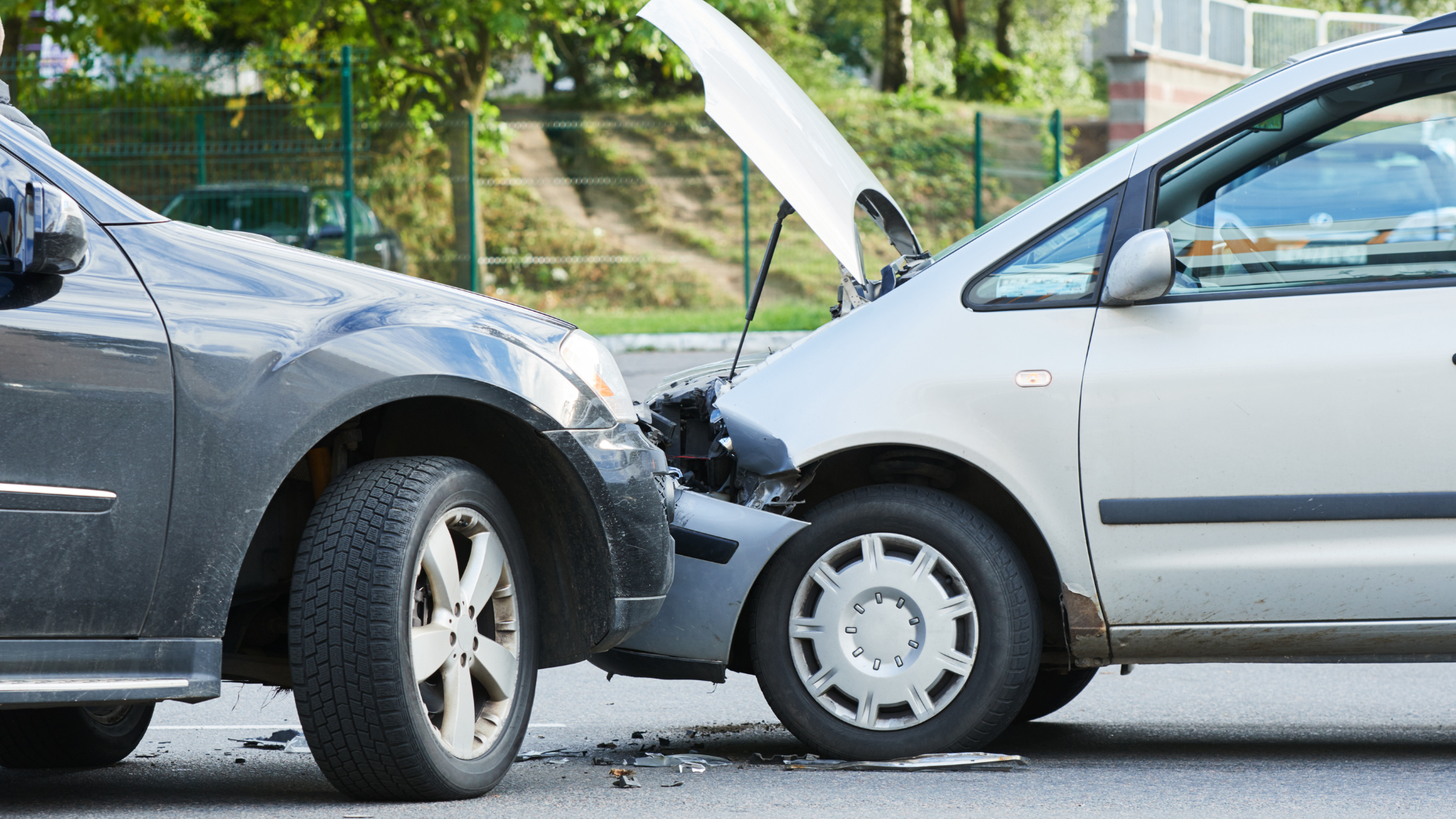
Steps to Take After a Boulder County Head-On Accident
A head-on collision can leave victims feeling disoriented, injured, and unsure about what to do next. After a Boulder County head-on accident, the actions you take can significantly affect your health and any future insurance or legal claims. Therefore, knowing the proper steps helps protect both your physical well-being and your rights. Even seemingly minor decisions can carry long-term consequences. For this reason, taking a careful and informed approach remains essential.
Seek Immediate Medical Attention
Your health should always remain the top priority after a serious collision. Head-on crashes often cause injuries that do not show symptoms right away. For example, internal injuries and concussions may worsen without prompt medical care. Seeking immediate evaluation helps identify hidden injuries and creates important medical records. As a result, early treatment can improve recovery outcomes and support future claims.
Follow All Medical Recommendations
After receiving initial treatment, it is important to follow your provider’s instructions closely. Skipping appointments or ignoring restrictions may slow recovery and raise concerns with insurers. Ongoing care often includes follow-up visits, physical therapy, or diagnostic testing. These steps help document the full extent of your injuries over time. Consequently, consistent medical care strengthens both your health and your case.
Contact Law Enforcement and Obtain a Police Report
Calling law enforcement after a Boulder County head-on accident helps ensure an official record of the crash. Officers document the scene, gather statements, and note contributing factors. This report often plays a key role when determining fault or liability. Therefore, requesting a copy of the report remains an important step. Accurate documentation can prevent disputes later in the process.
Cooperate Without Speculating
When speaking with police, provide factual information without guessing or assigning blame. Stress and confusion often affect memory immediately after a crash. For this reason, avoid making assumptions about speed, fault, or causes. Stick to what you clearly remember and observed. This approach helps protect the accuracy of the report.
Document the Accident Scene
If your condition allows, gathering evidence at the scene can be extremely helpful. Photos of vehicle damage, road conditions, traffic signs, and injuries provide valuable context. Additionally, collecting contact information from witnesses may support your account later. Over time, physical evidence disappears and memories fade. Therefore, early documentation can strengthen your position.
Preserve Evidence Safely
After leaving the scene, keep damaged property and relevant documents in a safe place. This includes vehicle repair estimates, medical records, and correspondence from insurers. Avoid repairing or discarding evidence before it is properly reviewed. Maintaining organized records helps reduce confusion and delays. As a result, your claim process becomes more manageable.
Notify Your Insurance Company Carefully
Promptly informing your insurer helps initiate the claims process. However, insurance companies often look for ways to limit payouts. Therefore, provide basic information without giving recorded statements prematurely. Avoid discussing fault or the severity of injuries until you understand your situation. Taking a cautious approach protects your interests.
Avoid Accepting Early Settlement Offers
Insurance adjusters may offer quick settlements before the full impact of injuries becomes clear. These offers often fail to account for long-term medical needs or lost income. Once accepted, you usually cannot seek additional compensation. For this reason, reviewing any offer carefully remains critical. Patience often leads to better outcomes.
Consider Speaking With an Experienced Attorney
Legal guidance can be especially valuable after a Boulder County head-on accident involving serious injuries. An experienced attorney can explain your options and help manage communications with insurers. Additionally, legal support allows you to focus on recovery instead of paperwork and negotiations. Understanding your rights provides clarity during an uncertain time. Therefore, timely legal advice can make a meaningful difference.
Act Before Deadlines Apply
Colorado law sets time limits for taking legal action after a crash. Missing these deadlines may prevent you from pursuing compensation entirely. Acting early helps preserve evidence and protect your claim. An attorney can ensure all requirements are met properly. Consequently, early action helps safeguard your rights.
Who May Be Liable in a Boulder County Head-On Accident?
Determining liability after a serious crash often proves more complicated than it initially appears. In a Boulder County head-on accident, fault may involve one or multiple parties depending on how the collision occurred. Because head-on crashes frequently result from severe driving errors or external factors, investigations must be thorough. Therefore, understanding potential sources of liability helps clarify legal options. Identifying responsible parties remains a critical step in any claim.
Negligent or Reckless Drivers
Another driver’s negligence represents one of the most common causes of head-on collisions. Actions such as distracted driving, speeding, or impaired driving often lead vehicles into oncoming traffic. Even a brief lapse in judgment can have devastating consequences. When drivers fail to follow traffic laws, they may be held accountable for resulting injuries. Establishing negligent behavior often relies on evidence such as police reports and witness statements.
Distracted and Impaired Driving
Distractions frequently take drivers’ attention away from the road at critical moments. Texting, adjusting navigation systems, or eating can all contribute to dangerous lane departures. Similarly, alcohol or drug impairment significantly reduces reaction time and judgment. These behaviors often play a direct role in head-on crashes. Proving impairment or distraction strengthens liability claims.
Drivers Who Cross the Center Line
Many head-on collisions occur when a vehicle crosses the center line into opposing traffic. This may happen due to fatigue, speeding, or loss of vehicle control. In some cases, drivers drift unintentionally but remain responsible for maintaining lane position. Crossing the center line typically indicates a serious traffic violation. As a result, fault often rests with the driver who entered oncoming lanes.
Fatigue and Drowsy Driving
Driver fatigue can impair awareness as severely as alcohol impairment. Long work hours or lack of sleep increase the risk of drifting across lanes. Drowsy drivers may fail to react before impact occurs. Because fatigue is difficult to detect, investigations often rely on circumstantial evidence. This factor still plays an important role in determining responsibility.
Commercial Drivers and Employers
When a commercial vehicle is involved in a Boulder County head-on accident, liability may extend beyond the driver. Employers may bear responsibility if unsafe practices contributed to the crash. Poor training, unrealistic schedules, or improper vehicle maintenance can increase accident risk. Commercial cases often involve additional regulations and insurance policies. These factors make liability analysis more complex.
Employer Responsibility and Vehicle Maintenance
Companies must ensure their vehicles remain safe for road use. Failure to maintain brakes, tires, or steering systems can lead to loss of control. Employers may also be responsible for hiring unqualified drivers. When company negligence contributes to a crash, liability may extend to the business. Thorough investigation helps uncover these issues.
Government Entities and Roadway Conditions
In some situations, roadway design or maintenance contributes to head-on collisions. Poor signage, faded lane markings, or dangerous road layouts can confuse drivers. Government entities may be responsible for maintaining safe road conditions. However, claims involving public agencies follow special rules and deadlines. Identifying these factors early remains essential.
Construction Zones and Temporary Hazards
Construction areas often alter traffic patterns and lane configurations. Inadequate warnings or confusing signage may lead drivers into oncoming traffic. Temporary hazards require proper planning and communication. When agencies or contractors fail to manage these risks, liability may arise. Documentation of conditions helps support these claims.
Vehicle Defects and Mechanical Failures
Mechanical issues can also play a role in head-on accidents. Steering failures, brake malfunctions, or tire blowouts may cause sudden loss of control. In these cases, liability may involve manufacturers or maintenance providers. Product defects require detailed technical analysis. These claims differ significantly from standard collision cases.
Defective Parts and Recall Issues
Manufacturing defects sometimes affect entire vehicle models or components. Recalls may indicate known safety issues that contributed to a crash. If defective parts cause lane departure, manufacturers may be held accountable. Reviewing maintenance records and recall history remains important. This analysis helps determine whether product liability applies.
Why Identifying All Liable Parties Matters
Accurately identifying every responsible party affects available compensation and legal strategy. Some parties may carry higher insurance limits or different obligations. Overlooking a liable party can limit recovery options. A comprehensive investigation ensures accountability aligns with fault. This approach supports stronger and more complete claims.
Shared Fault and Comparative Negligence
Colorado follows comparative negligence rules that may affect recovery. Multiple parties can share responsibility for a Boulder County head-on accident. Fault percentages influence compensation outcomes. Understanding these rules helps manage expectations. Proper analysis ensures claims reflect actual responsibility.
Why Legal Guidance Matters After a Boulder County Head-On Accident
The aftermath of a serious crash often involves more than physical recovery alone. After a Boulder County head-on accident, victims frequently face insurance challenges, medical expenses, and uncertainty about their rights. Because head-on collisions tend to cause severe injuries, claims often become complex and heavily disputed. Therefore, having knowledgeable legal guidance can help level the playing field. Understanding your options early can prevent costly mistakes later.
Insurance Companies Often Protect Their Own Interests
Insurance companies move quickly after a serious collision to limit financial exposure. Adjusters may appear helpful while searching for statements that reduce claim value. As a result, injured individuals may unknowingly say things that hurt their case. Legal guidance helps ensure communications remain accurate and appropriately limited. This support reduces the risk of unfair claim denials or undervalued settlements.
Recorded Statements Can Be Risky
Insurers frequently request recorded statements shortly after a crash. At that point, victims may not yet understand the full extent of their injuries. Stress and pain can also affect how details are communicated. Therefore, providing statements without guidance may create inconsistencies. Legal counsel helps protect against these avoidable risks.
Head-On Accident Claims Are Often Complex
A Boulder County head-on accident often involves disputed fault, multiple vehicles, or severe injuries. Determining liability may require reviewing police reports, crash data, and witness accounts. In some cases, road conditions or third-party negligence may play a role. Because of this complexity, claims often require detailed investigation. Legal guidance helps ensure all contributing factors receive proper consideration.
Evidence Must Be Preserved and Analyzed
Strong claims depend on timely and accurate evidence collection. Physical evidence, vehicle damage, and electronic data may become unavailable over time. Additionally, witness memories can fade quickly. An attorney helps secure and analyze this information before it disappears. Consequently, early involvement can strengthen the overall claim.
Injuries Often Have Long-Term Consequences
Head-on collisions frequently cause injuries that affect victims long after the crash. Ongoing medical treatment, rehabilitation, and future care needs may not be immediately clear. Without proper evaluation, settlements may fail to account for long-term costs. Legal guidance helps ensure claims reflect both current and future impacts. This approach supports more realistic recovery outcomes.
Financial Losses Extend Beyond Medical Bills
Serious injuries often lead to lost income and reduced earning capacity. Some victims may require extended time away from work or career adjustments. Additionally, out-of-pocket expenses can accumulate quickly. Accurately documenting these losses takes careful planning. Legal support helps present a complete picture of financial harm.
Legal Deadlines and Procedures Matter
Colorado law imposes strict deadlines for pursuing accident-related claims. Missing these deadlines may eliminate the ability to seek compensation. Additionally, filing requirements and procedures must be followed correctly. Navigating these rules alone can feel overwhelming. Legal guidance helps ensure compliance at every stage.
Early Action Protects Your Rights
Taking action early allows time to investigate, gather records, and prepare claims properly. Delays can weaken evidence and reduce leverage during negotiations. An attorney helps manage timelines and avoid procedural errors. As a result, early legal guidance helps protect long-term interests.
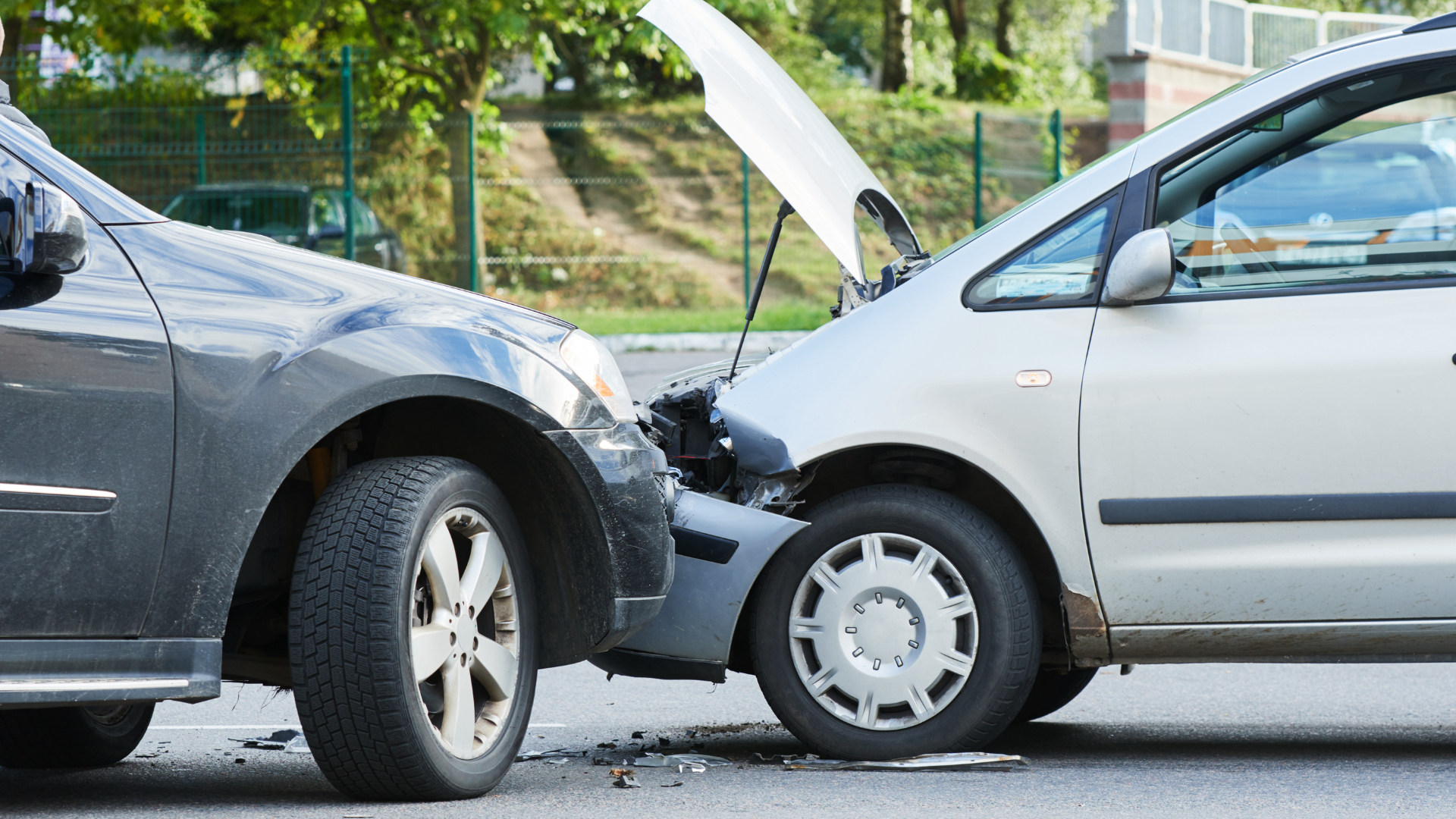
Recovering Compensation After a Boulder County Head-On Accident
A serious collision often creates financial challenges that extend well beyond initial medical treatment. After a Boulder County head-on accident, victims may face mounting expenses while trying to recover physically and emotionally. Because these crashes frequently cause severe injuries, compensation plays a critical role in stabilizing life after the incident. Therefore, understanding what damages may be available helps victims make informed decisions. Taking the right approach early can significantly affect long-term financial recovery.
Medical Expenses and Ongoing Treatment Costs
Medical bills often represent the most immediate and overwhelming expense after a head-on collision. Emergency care, hospital stays, surgeries, and diagnostic testing can accumulate rapidly. In addition, many victims require ongoing treatment such as physical therapy or specialist care. These future costs are not always obvious at first. As a result, compensation should account for both current and anticipated medical needs.
Long-Term and Future Medical Care
Some injuries require extended rehabilitation or lifelong management. For example, spinal injuries or brain trauma may involve recurring appointments and assistive care. Estimating these future expenses requires careful medical evaluation. Without proper documentation, insurers may undervalue long-term needs. Therefore, thorough planning helps ensure compensation reflects the full scope of care.
Lost Income and Reduced Earning Capacity
A Boulder County head-on accident can prevent victims from returning to work immediately. Missed paychecks often create financial strain during recovery. In more serious cases, injuries may limit the ability to perform previous job duties. This reduction in earning capacity can affect long-term financial stability. Compensation should reflect both temporary and lasting income losses.
Time Away From Work and Career Disruptions
Extended recovery periods often force victims to use unpaid leave or change employment plans. Some individuals may require job retraining or workplace accommodations. These disruptions can alter career trajectories permanently. Documenting these impacts remains essential when seeking compensation. Accurate records help demonstrate how injuries affect professional life.
Property Damage and Related Expenses
Head-on collisions frequently cause significant vehicle damage or total loss. Repair or replacement costs often arise immediately after the crash. Additionally, victims may incur rental car expenses or transportation costs. These out-of-pocket losses can add stress during recovery. Compensation may help cover these practical and necessary expenses.
Personal Property Losses
Beyond vehicles, personal items inside the car may be damaged or destroyed. Electronics, clothing, and medical devices often suffer damage during impact. These losses may seem minor individually but add up quickly. Including them in a claim helps present a complete financial picture. Attention to detail strengthens overall recovery efforts.
Pain, Suffering, and Emotional Distress
Head-on accidents often cause significant physical pain and emotional hardship. Victims may experience anxiety, sleep disruption, or reduced quality of life. These non-economic impacts affect daily functioning and personal relationships. While harder to quantify, they remain an important part of recovery. Compensation should acknowledge these real and lasting effects.
Impact on Daily Life and Well-Being
Injuries can limit mobility, independence, and participation in normal activities. Simple tasks may become challenging or painful. Over time, these limitations can affect mental health and personal fulfillment. Describing these changes clearly helps convey their seriousness. A comprehensive claim reflects both visible and invisible losses.
The Importance of a Thorough Claim Evaluation
Recovering fair compensation requires careful assessment of all losses. Insurance companies often focus on minimizing payouts rather than addressing full impact. Without proper evaluation, victims may accept less than they need. Reviewing all aspects of a Boulder County head-on accident helps avoid undervaluation. A detailed approach supports more accurate outcomes.
Avoid Rushing the Recovery Process
Quick settlements may seem appealing during financial stress. However, early agreements often fail to account for future needs. Once resolved, claims typically cannot be reopened. Taking time to understand injuries and losses protects long-term interests. Patience often leads to more appropriate compensation.
Contact a Lawyer Experienced at Handling Boulder County Head-On Accidents Today
If you or a loved one has been injured in a Boulder County head-on accident, having the right legal support can make a meaningful difference in your recovery and financial stability. Head-on crashes often lead to severe injuries, extensive medical treatment, and long-term challenges that insurance companies may try to minimize. Levine Law has extensive experience handling serious accident cases and understands how to build claims that reflect the full impact of a collision, from immediate medical costs to ongoing care and lost income. Our attorneys work to gather evidence, review police reports, consult with experts when necessary, and push back against low settlement offers. We are committed to pursuing fair outcomes that account for both current losses and the long-term effects a serious collision can have on your health and quality of life.
At Levine Law, we’re dedicated to standing up for injured individuals and families throughout Boulder County with compassionate, results-driven representation. Throughout the process, our team prioritizes clear communication and personalized guidance. We believe injured individuals deserve transparency, respect, and strong advocacy during a difficult time. Our team is ready to evaluate your case, explain your legal options, and handle communications with insurers so you don’t have to navigate the process alone. To learn how we can help, call (303) 951-4810 today or fill out our online contact form to schedule a free consultation.
Contact usfor a free consultation.
Phone: (303) 951-4810